Roof Tile Warranty: What Is Covered and What Is Not

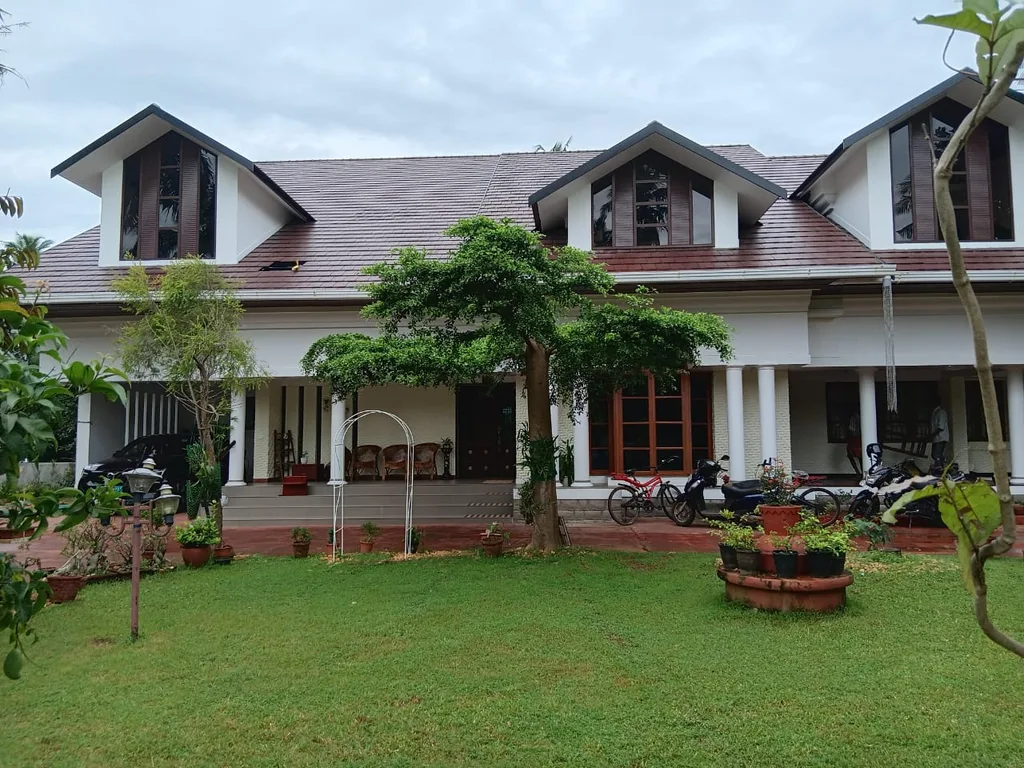
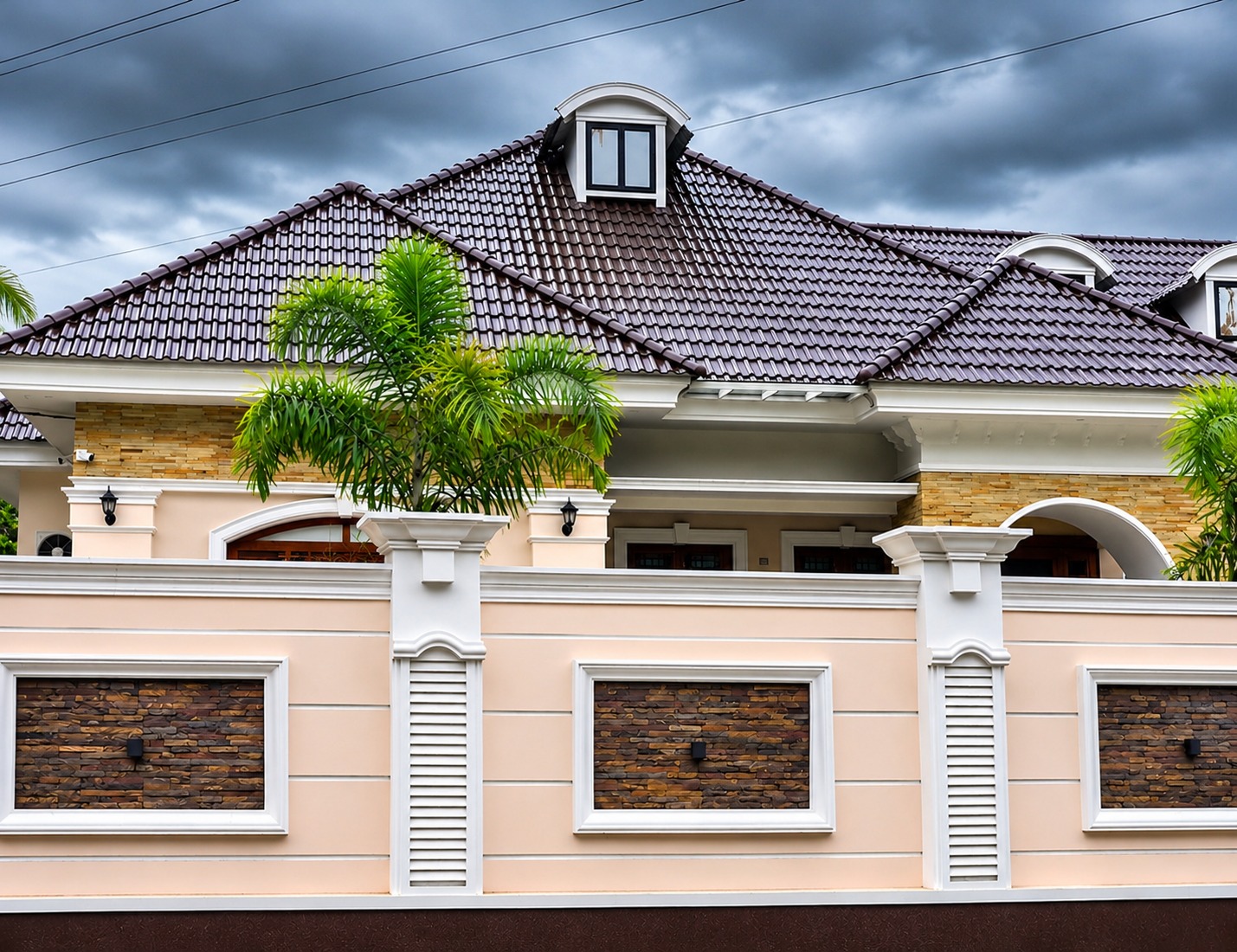
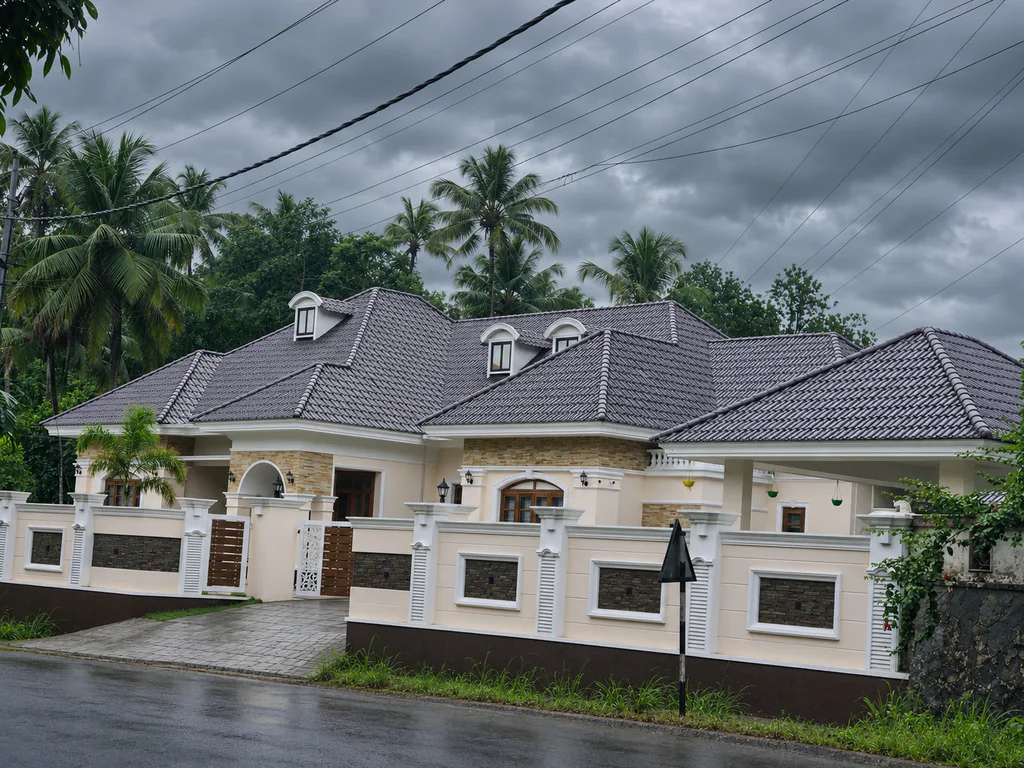
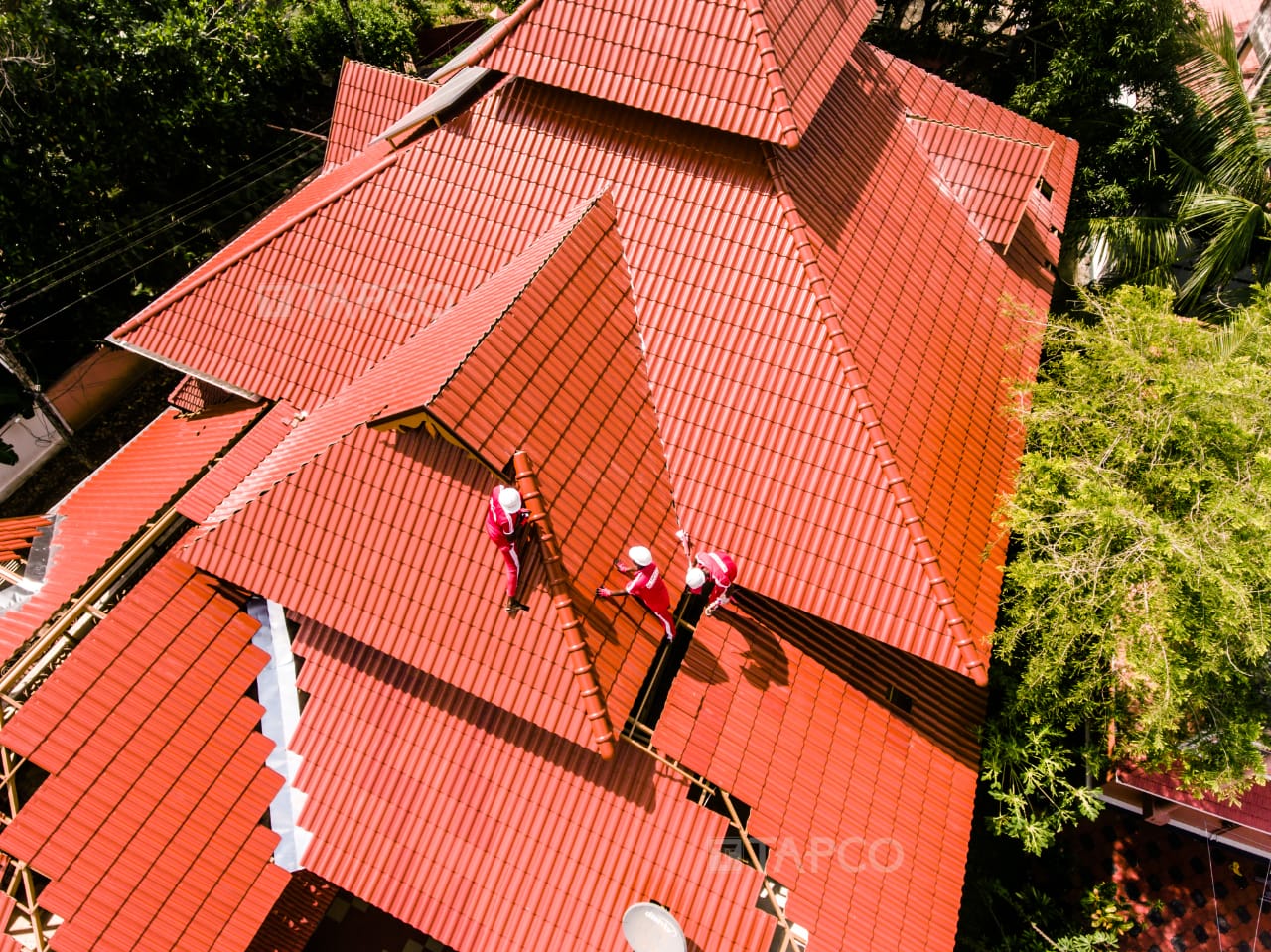
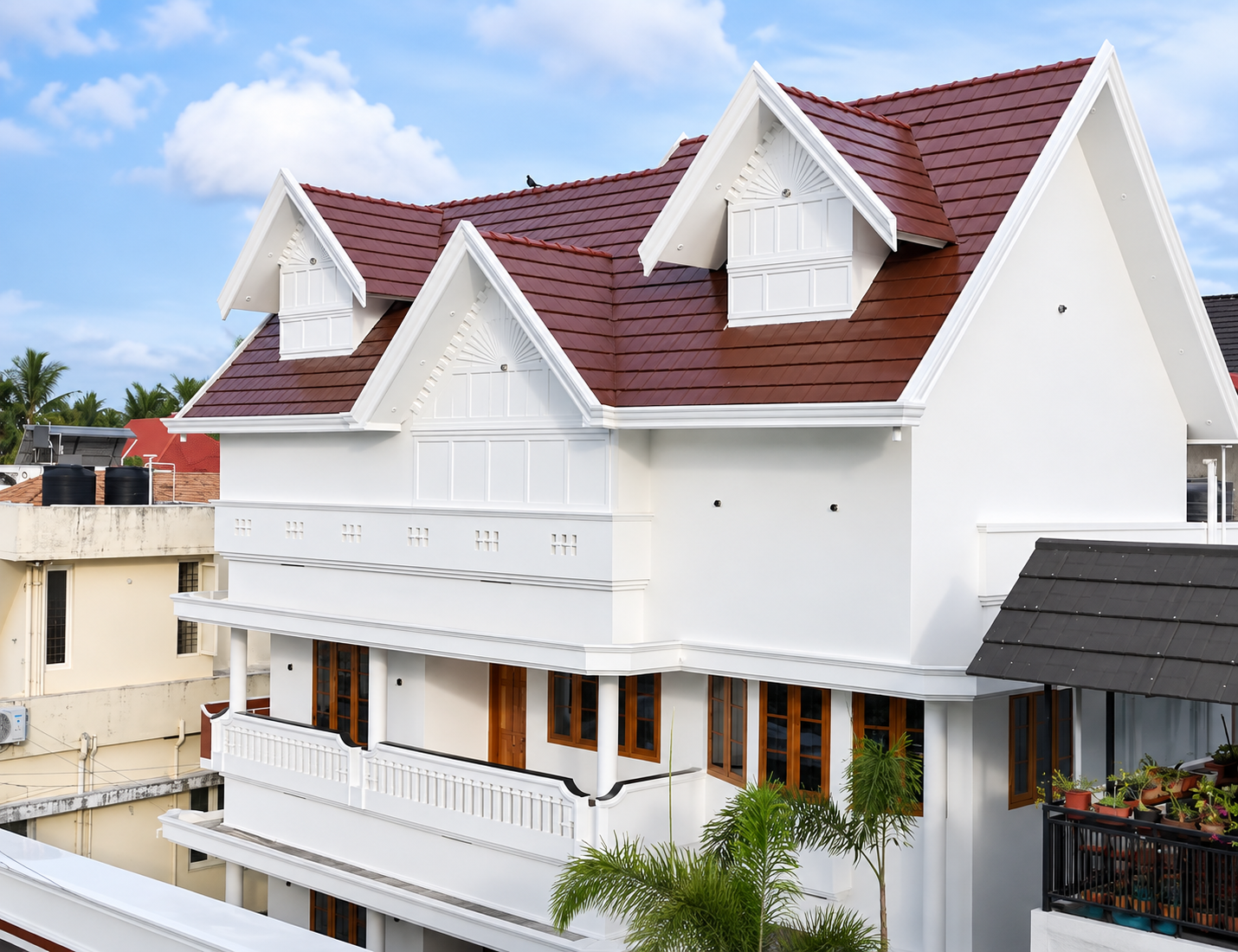
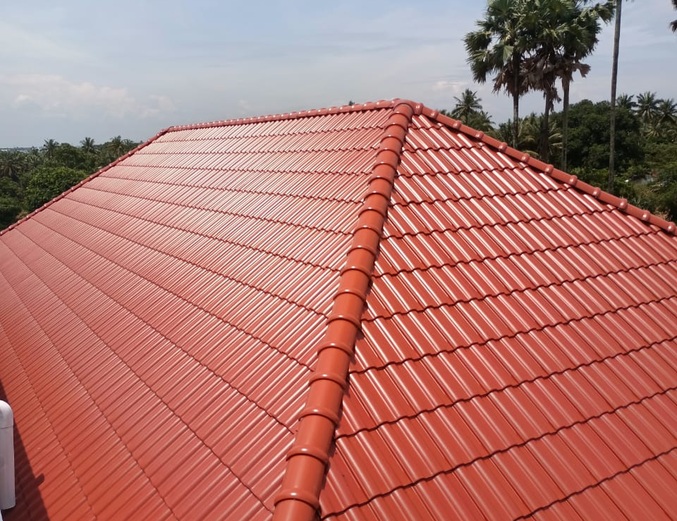
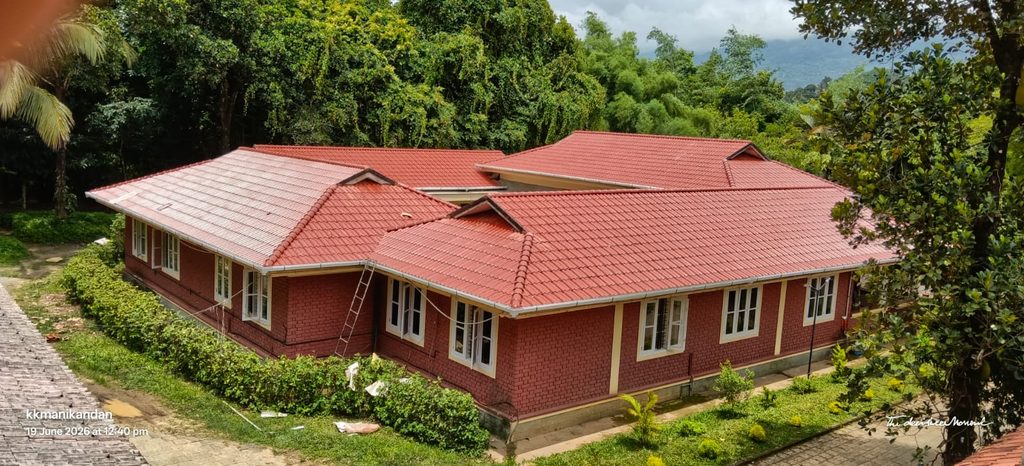
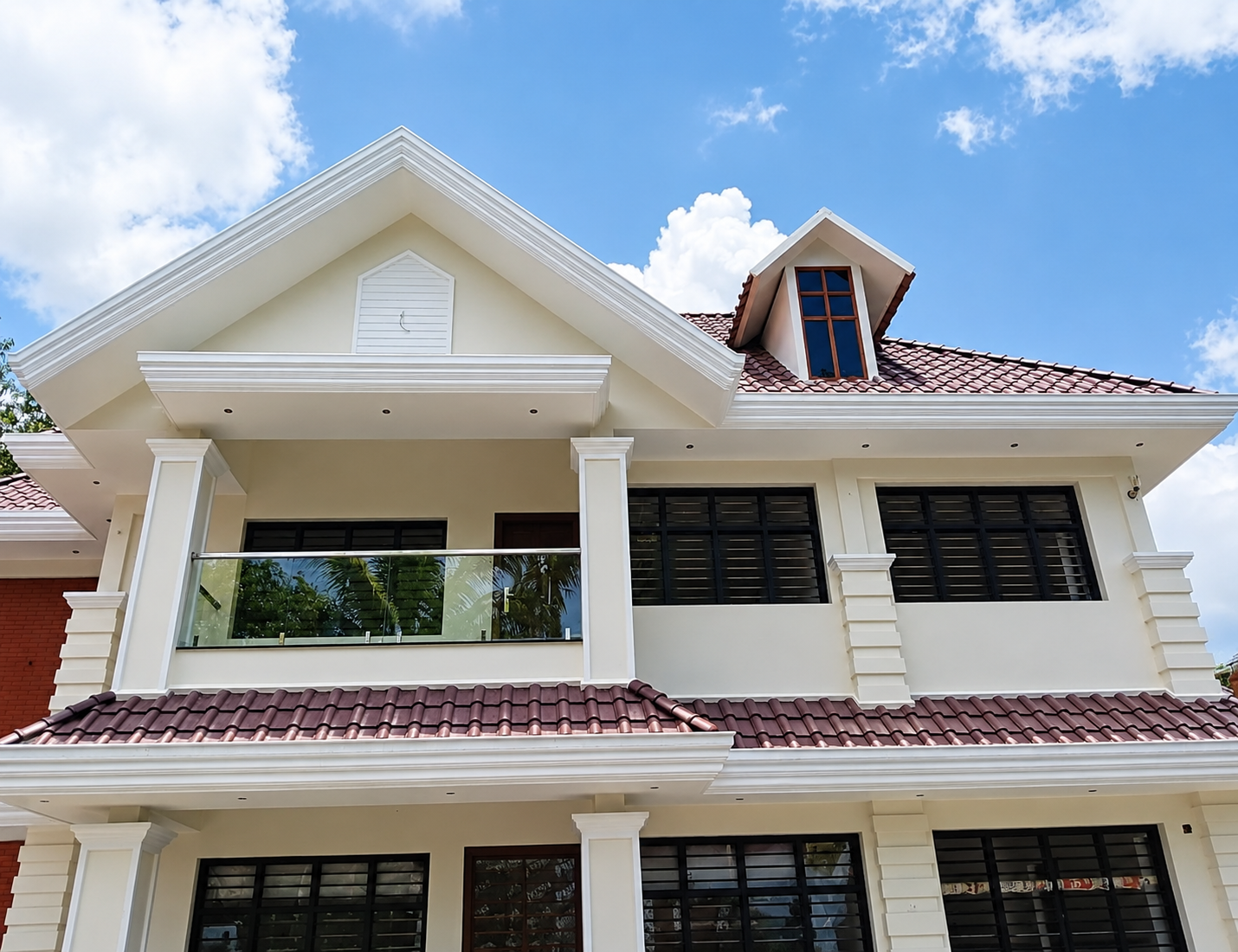
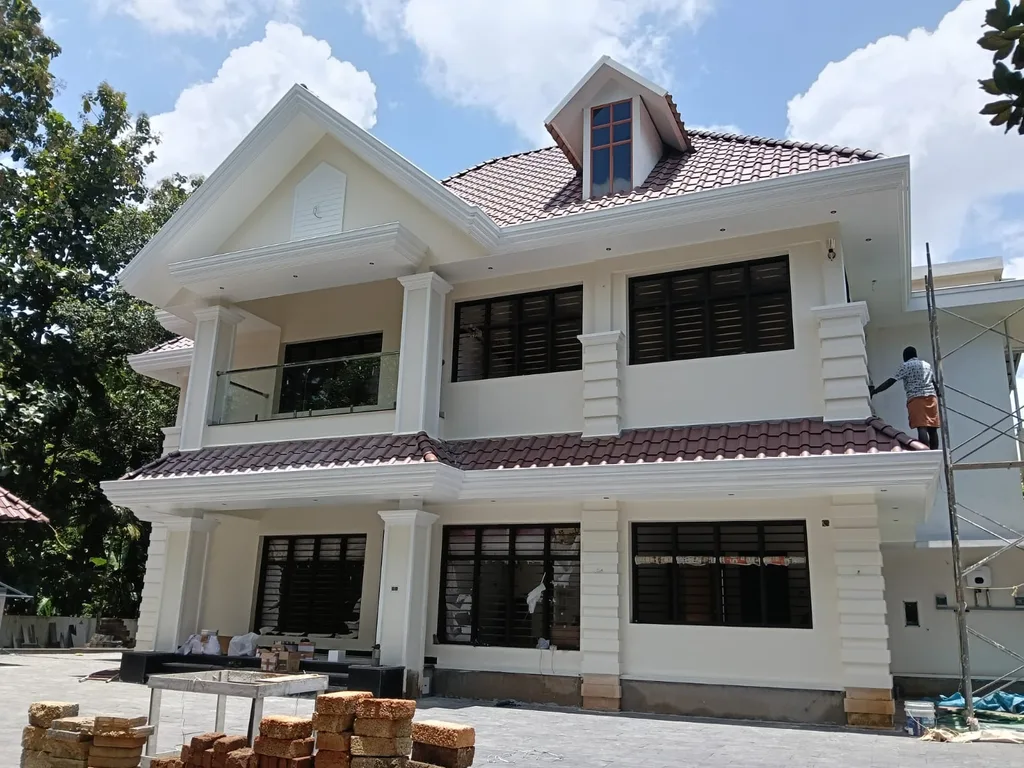
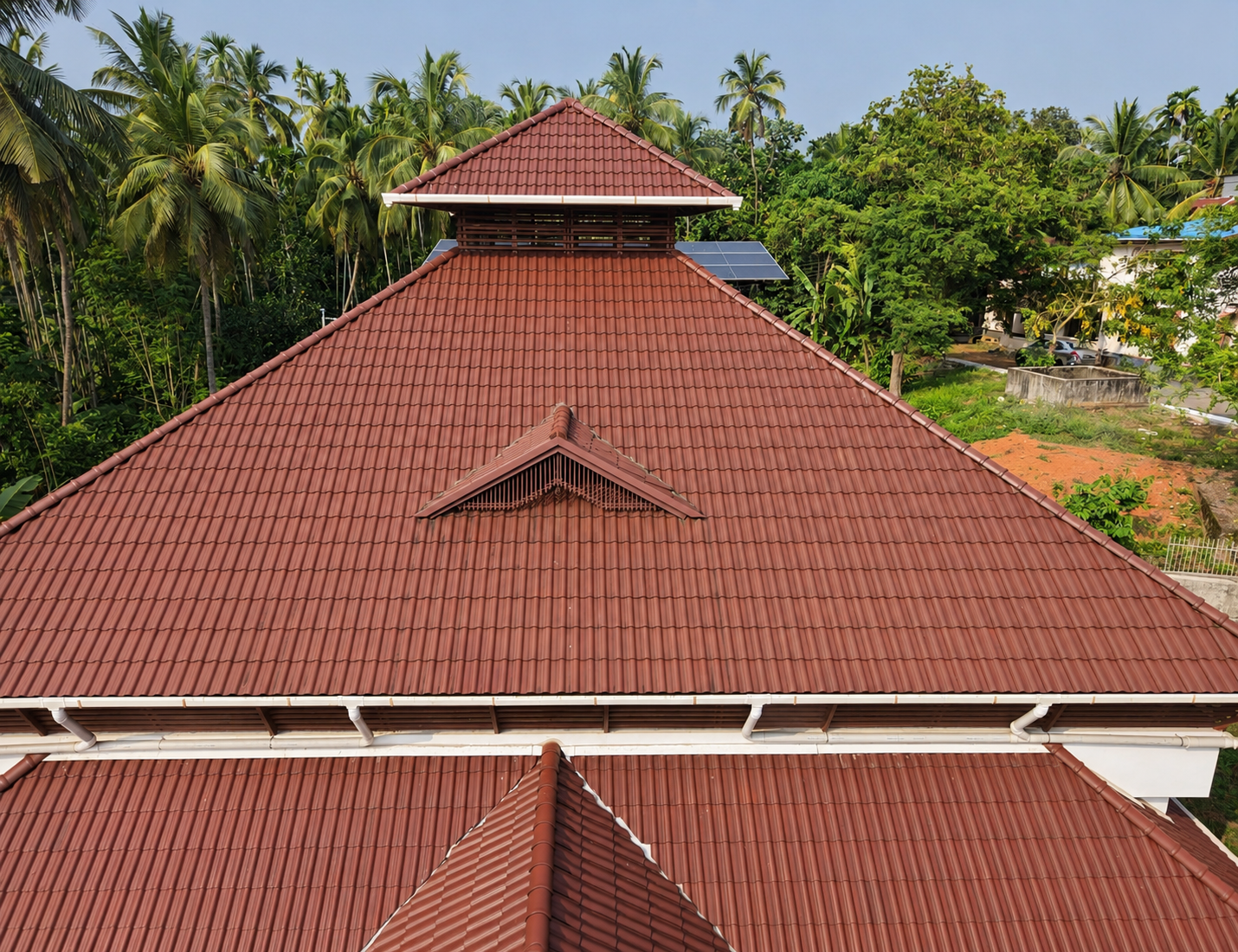
Kerala house with TAPCO Potro Red Dot roof tiles

When comparing roof tile brands in Kerala, homeowners should take time to understand the warranty terms. A roof tile warranty may cover certain manufacturing defects, but it does not mean every roofing problem will be repaired free of cost. Damage caused by poor installation, accidents, weather events or lack of maintenance may be excluded, depending on the warranty conditions. Before buying roof tiles, always check what the written warranty covers and how to make a claim.

What Is a Roof Tile Warranty?

A roof tile warranty is a written commitment from a manufacturer or supplier explaining the conditions under which certain product-related problems may be addressed.

For example, if a roofing tile develops a defect because of a manufacturing problem, it may qualify for warranty support. However, the final decision depends on the terms and conditions provided with the product.

A warranty usually explains important details such as:

  • The period for which the warranty is valid.
  • The types of manufacturing defects covered.
  • The situations that are not covered.
  • The conditions that customers must follow.
  • The process for reporting a problem.
  • Whether an approved claim provides replacement, repair or another remedy.

Before selecting roofing materials, ask the supplier for the written warranty details. Do not make a decision based only on the number of warranty years mentioned during a sales discussion.

What Does a Roof Tile Warranty Usually Cover?

Warranty coverage differs between products and manufacturers. Some warranties focus mainly on manufacturing defects, while others may include additional conditions.

Here are the main areas homeowners should check.

1. Manufacturing Defects

Manufacturing defects are problems that develop because something went wrong during the production of the tile.

Depending on the warranty, certain defects affecting the tile’s material or manufacturing quality may be covered.

However, not every crack or broken tile is a manufacturing defect. The cause of the damage must be assessed before deciding whether the claim is eligible.

2. Problems with Tile Quality

Some warranties may cover specific product defects that affect the tile’s ability to meet its stated manufacturing specifications.

The manufacturer may need to inspect the affected tiles or review supporting information before accepting a claim.

Homeowners should check which product characteristics are actually included in the warranty.

3. Colour and Surface Finish

Some roof tile warranties include limited coverage for clearly defined surface or finish defects.

However, natural weathering, dirt, staining and changes in appearance caused by external conditions may not be covered.

Always ask whether the selected roof tile’s colour or surface finish has any specific written warranty protection.

4. Replacement of Eligible Defective Tiles

If a warranty claim is approved, the manufacturer may provide replacement tiles or another remedy stated in the warranty.

This does not automatically mean that labour charges, transportation or the cost of removing old tiles will be included.

Check the remedy section of the warranty to understand what the customer can expect.

What Is Usually Not Covered Under a Roof Tile Warranty?

This is an important section for homeowners. Some roofing problems occur because of installation issues, outside damage or poor maintenance rather than manufacturing defects.

The exact exclusions depend on the manufacturer’s written terms.

1. Damage Due to Improper Installation

Even good quality roof tiles can develop problems if they are not installed correctly.

Incorrect tile overlap, unsuitable roof slope, poor alignment and improper fixing methods may contribute to roof damage or water leakage.

A product warranty may not cover problems caused by installation mistakes.

This is why homeowners should make sure the roofing work follows the installation instructions for the selected product.

2. Damage Caused by Accidents or External Impact

Tiles may crack or break when heavy objects fall on the roof or when they are handled carelessly.

Damage caused by workers walking incorrectly on a tiled roof, falling branches or other external impacts may be excluded from product warranty coverage.

It is important to identify whether the damage was caused by a manufacturing defect or an outside event.

3. Problems Caused by Poor Maintenance

Roofs need regular inspection, especially in areas with heavy seasonal rainfall.

Blocked gutters, accumulated leaves and damaged roofing components can create problems over time.

If a problem develops because required maintenance was ignored, the manufacturer may reject the claim where the warranty contains such conditions.

4. Moss, Algae and Surface Stains

Kerala’s humid weather and frequent rainfall can encourage moss and algae growth on roof surfaces.

Such growth does not automatically mean that the roofing tiles have a manufacturing defect.

Some warranties exclude changes in appearance caused by moss, algae, dirt or environmental exposure.

Homeowners should use cleaning methods recommended for the selected roofing product.

5. Damage Due to Severe Weather Events

Strong winds, falling branches, flooding and other severe weather events can sometimes damage roofing materials.

Many product warranties limit or exclude damage caused by such external events.

Do not assume that all monsoon-related roof damage is covered. Read the exclusions carefully and ask the supplier to explain any conditions you do not understand.

Roof Tile Warranty Coverage: A Simple Comparison

The following table explains common warranty situations. These are general examples, not confirmed TAPCO warranty terms.

Roofing problemPossible warranty treatment
Confirmed manufacturing defectMay be covered under the product warranty
Tile damage caused during installationUsually assessed separately from manufacturing defects
Water leakage from poor flashing or tile alignmentMay fall under installation workmanship, not the tile warranty
Moss, algae or surface stainingMay be excluded as environmental effects
Damage from falling branches or severe stormsOften excluded or subject to special conditions
Approved defective tile replacementRemedy depends on the written warranty terms

Important: The actual warranty document is the final reference for product coverage, exclusions and claim conditions.

Is Roof Leakage Covered Under a Roof Tile Warranty?

Many homeowners think that if water enters through a tiled roof, it should automatically be covered by the tile warranty.

However, roof leakage can happen for different reasons.

The problem may come from damaged flashing, incorrect tile installation, insufficient overlap, blocked drainage or defects in another part of the roofing system.

A roof tile warranty normally needs to be considered separately from any installation workmanship warranty.

If your roof develops a leak, ask a qualified roofing professional to identify the cause before submitting a product warranty claim.

This can help determine whether the problem relates to the tile itself, the installation or another roofing component.

Manufacturer Warranty vs Installation Warranty

A manufacturer warranty and an installation warranty are not necessarily the same.

Manufacturer or Product Warranty

A product warranty generally deals with specified defects in the roofing material.

Its coverage depends on the manufacturer’s written terms and the selected product.

Installation Workmanship Warranty

An installation warranty, if offered by the contractor, deals with certain problems caused by roofing work.

For example, an issue resulting from incorrect tile fixing may need to be discussed with the installation contractor rather than the tile manufacturer.

Before beginning the roofing work, ask whether the installer offers a separate written workmanship warranty and what it includes.

Why Warranty Conditions Matter for Kerala Homes

Kerala experiences heavy monsoon rain, humid weather and periods of strong sunlight.

Roofing materials are exposed to these conditions throughout the year. Homeowners should therefore consider the complete roofing system, not just the warranty period.

Before choosing roof tiles, discuss the following points with your supplier or roofing professional:

  • Whether the product is suitable for the planned roof slope.
  • The recommended tile overlap and fixing method.
  • The importance of proper roof drainage.
  • Maintenance requirements during and after the monsoon.
  • Which types of weather-related damage are excluded from the warranty.

A longer warranty period does not automatically mean that every roofing problem will be covered.

The type of coverage, conditions and available remedies are equally important.

What Should You Check Before Buying Roof Tiles?
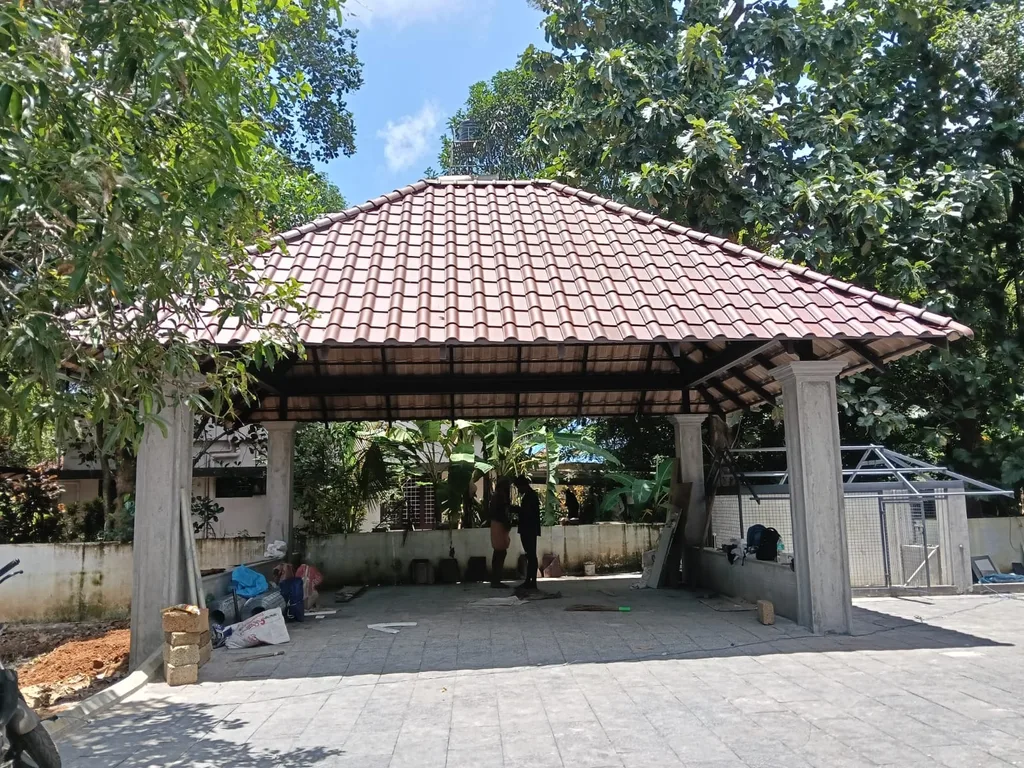
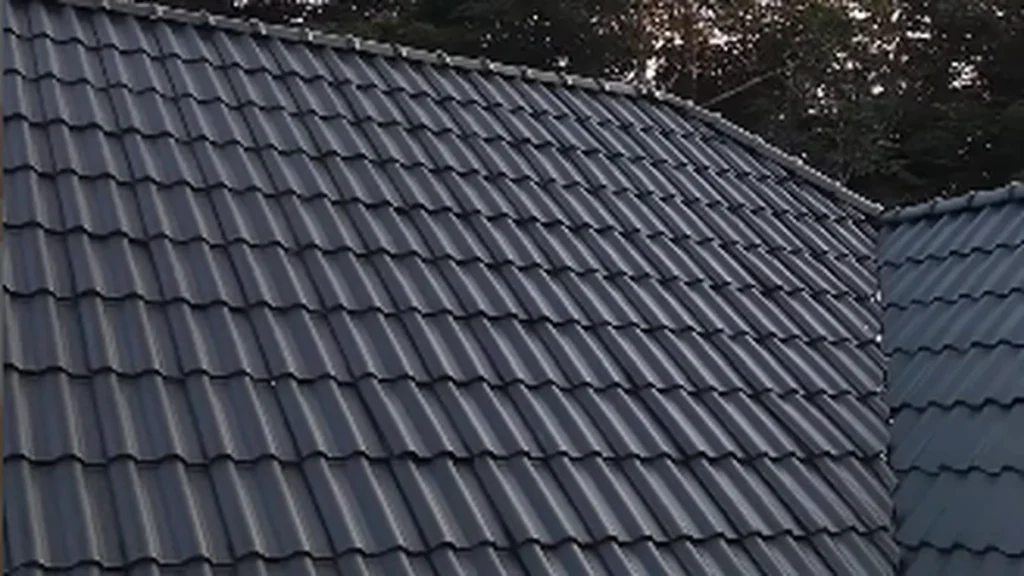
TAPCO Potro Red Dot roof tiles installed on a sloping roof in Kerala

Before purchasing ceramic roof tiles in Kerala, take a little time to understand the warranty terms. This will help you know what is covered and what is not.

Here are some useful questions to ask the supplier before making your purchase.

1. Is a Written Warranty Available?

Ask for the warranty certificate or official warranty document for the exact product you are purchasing.

Avoid relying only on verbal statements.

2. When Does the Warranty Period Begin?

Check whether the warranty starts from the purchase date, delivery date, installation date or another date stated in the policy.

3. What Manufacturing Defects Are Covered?

Ask the supplier to explain the types of problems that qualify for warranty support.

It is better to understand these conditions before purchasing than after a problem develops.

4. What Are the Warranty Exclusions?

Read the section covering installation errors, accidental damage, weather exposure and maintenance conditions.

If any part is unclear, ask for an explanation.

5. Are Labour and Transportation Charges Included?

Some warranties cover only the product or specified replacement remedy.

Ask whether the cost of removing damaged tiles, arranging replacement materials and reinstalling tiles is included.

6. What Documents Are Required for a Claim?

Check whether you need to keep the invoice, product details, photographs or installation documents.

Store the relevant documents safely for future reference.

7. How Do You Submit a Warranty Claim?

Ask whom to contact, what information to provide and whether the affected product needs to be inspected.

Also confirm whether there is a deadline for reporting a problem.

How to Make a Roof Tile Warranty Claim

If you notice a problem with your roof tiles, do not immediately assume that the entire roof needs replacement.

Start by identifying the affected area and collecting the necessary information.

You can follow these general steps:

  1. Check the warranty document for the selected product.
  2. Keep your purchase invoice and relevant product details ready.
  3. Take clear photographs of the affected tiles from a safe location.
  4. Contact the manufacturer or supplier through the stated claim channel.
  5. Explain when the problem was first noticed.
  6. Follow the inspection and documentation process requested by the warranty provider.

Avoid attempting unsafe roof inspections or removing damaged tiles without professional guidance.

The outcome of a claim will depend on the findings and the applicable warranty conditions.

Understanding Roof Tile Warranty Before Choosing TAPCO Tiles
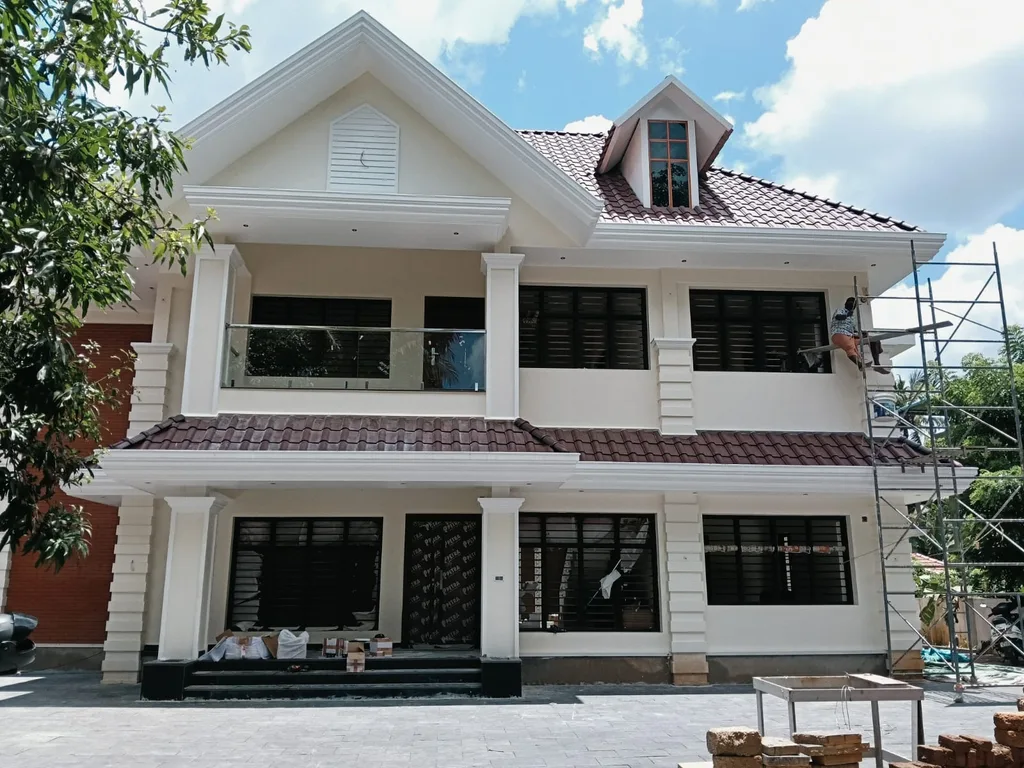
tapco-potro-red-dot-roof-tiles-kerala.webp

Tapco Roof Tiles has over 46 years of experience in roofing and building materials. Based in Choolissery, Thrissur, Kerala, the company offers ceramic and clay roof tile options.

If you are planning a new home or replacing an existing roof, you can explore TAPCO’s ceramic roof tile collection and compare the available options.

You can also read our guide on what to check before buying ceramic roof tiles in Kerala for more information on product selection.

For the exact warranty applicable to a selected TAPCO roofing product, please confirm the current written terms directly with the company.

Frequently Asked Questions About Roof Tile Warranty

1. What does a roof tile warranty cover?

A roof tile warranty may cover specific manufacturing defects in the roofing material. The actual coverage depends on the product and the manufacturer’s written warranty conditions.

2. Does a roof tile warranty cover water leakage?

Not necessarily. If the leakage is caused by poor installation, damaged flashing or blocked drainage, it may not fall under the product warranty.

3. Are cracked roof tiles covered under warranty?

Cracked tiles may qualify if the cracking is caused by a covered manufacturing defect. Damage caused by impact, incorrect handling or installation may be excluded.

4. Does a roof tile warranty cover colour fading?

Some warranties may include specific protection for surface finishes, but many have exclusions for weathering and environmental effects. Check the selected product’s written warranty for the exact conditions.

5. Does roof tile warranty include installation charges?

Not always. A manufacturer’s warranty may cover a product replacement without paying for removal, labour or reinstallation, depending on its terms.

6. How long is a roof tile warranty valid?

The warranty period differs by manufacturer and product. Ask for the official warranty document to confirm the duration and the date from which it begins.

7. Can I claim warranty without a purchase invoice?

The documents required depend on the warranty provider’s rules. Keeping the purchase invoice, product details and other relevant records can make the claim process easier.

Conclusion

A roof tile warranty is an important part of buying roofing materials, but understanding its conditions is just as important as knowing its duration.

Before selecting tiles for your home, check what defects are covered, which situations are excluded and how warranty claims are handled.

Also remember that proper roof design, professional installation and regular maintenance play an important role in the performance of any roofing system.

If you are planning to buy ceramic or clay roof tiles, contact Tapco Roof Tiles at 62877 77770 or visit tapcotiles.com to explore the available roofing options and ask about the applicable product warranty terms.
Cool Roof Tiles for Kerala Homes: Do They Actually Reduce Heat?

Yes, cool roof tiles can help reduce heat in Kerala homes by reflecting more sunlight and allowing the roof surface to release absorbed heat. This can reduce the amount of heat entering the house, especially during sunny weather. However, the actual cooling effect depends on the roofing material, roof design, insulation and ventilation.

What Are Cool Roof Tiles?

During summer, many homeowners in Kerala notice that upstairs rooms become warmer in the afternoon. One reason is that the roof receives direct sunlight for several hours.

When a roof absorbs heat, some of that heat can pass into the building. This is where cool roof tiles may help.

Cool roof tiles are roofing tiles designed to absorb less solar heat than conventional roofing surfaces. They do this mainly by reflecting sunlight and releasing absorbed heat.

The term cool roof does not refer to one particular tile material or colour. It describes how a roofing surface performs in sunlight.

To learn more about the category, you can explore TAPCO’s cool roof tiles in India page.

How Do Cool Roof Tiles Reduce Heat?

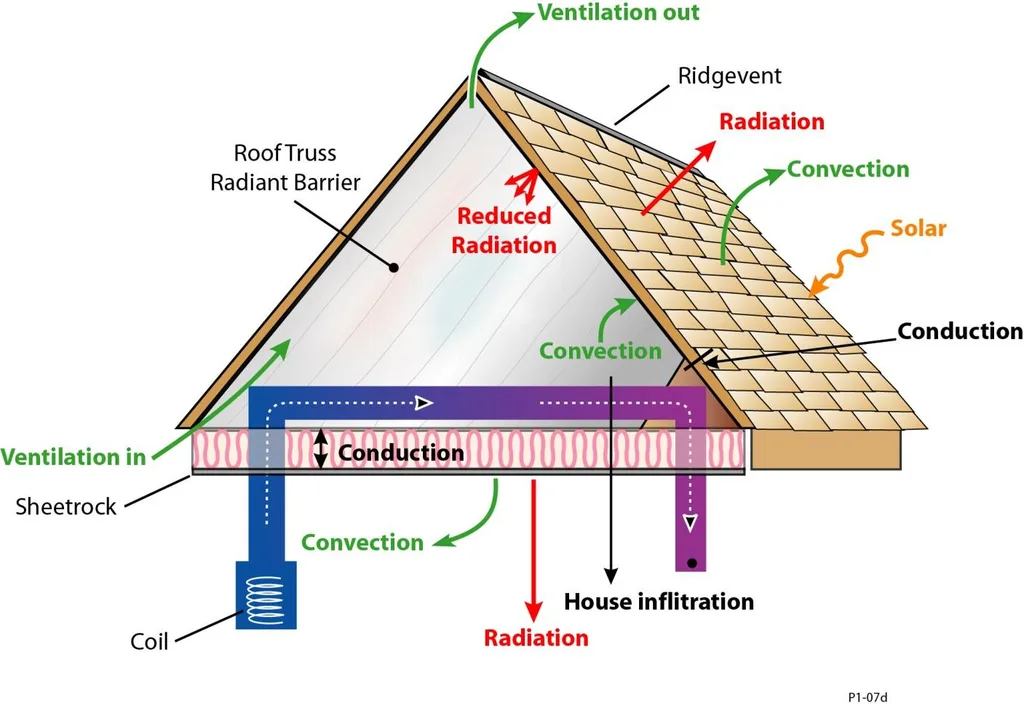
Illustration showing how cool roof tiles in Kerala reflect sunlight and reduce heat absorption

Cool roofing works mainly through two properties.

1. Solar Reflectance

Solar reflectance means how much sunlight a surface reflects instead of absorbing.

A roof with higher solar reflectance generally absorbs less heat from the sun. This can help keep the roof surface cooler during hot weather.

Light-coloured roofing surfaces often reflect more sunlight than dark surfaces. However, colour alone does not tell you exactly how a tile will perform.

Some specially developed dark roofing finishes can also reflect part of the sun’s energy.

2. Thermal Emittance

Thermal emittance means how effectively a surface releases the heat it has absorbed.

A roofing surface with suitable thermal emittance can release absorbed heat more effectively.

Both solar reflectance and thermal emittance are important when comparing cool roofing materials.

The US Environmental Protection Agency explains how these properties help reduce roof temperatures and the amount of heat entering buildings.

Do Cool Roof Tiles Actually Keep Kerala Homes Cooler?

They can help, but the difference will not be the same for every house.

Consider a home with bedrooms directly below a sloping tiled roof. During a sunny afternoon, the roof becomes warm as it receives sunlight. If the roofing surface absorbs less heat, the amount of heat passing through the roof may also be reduced.

This can support better indoor comfort.

However, a house with poor roof ventilation or an uninsulated ceiling may still become warm, even when reflective roof tiles are used.

Similarly, a well-insulated house may experience a smaller additional benefit from changing the roof colour or surface.

This is why homeowners should not expect one type of roof tile to solve every heat-related problem.

Cool Roof Tiles vs Regular Roof Tiles: What Is the Difference?

Not every roofing tile is designed or tested for cooling performance.

The following comparison can help you understand the main differences.

FeatureTested Cool Roof TilesRegular Roof Tiles
Solar heat absorptionDesigned to reduce absorptionDepends on material, colour and finish
Sunlight reflectionReflective performance can be measuredMay be high or low depending on the product
Roof surface temperatureMay remain cooler in sunlightDepends on the surface properties
Indoor cooling benefitCan help reduce heat entering the buildingDepends on the tile and complete roof
Product selectionCheck reflectance and emittance dataCheck relevant product specifications

The important difference is not simply the word cool in the product name. It is the actual performance of the roofing surface.

Are Ceramic and Clay Roof Tiles Good for Reducing Heat?

Ceramic and clay roof tiles are commonly considered for traditional and modern Kerala homes.

Both materials can be used in sloping roof designs, but their cooling performance depends on the particular product.

Ceramic Roof Tiles

Kerala home featuring TAPCO Full Flat Red Dot ceramic roof tiles

Ceramic Roof Tiles

Ceramic roof tiles in Kerala are available in different colours, profiles and finishes to suit various house designs.

When choosing ceramic roof tiles for Kerala’s warm climate, check the surface colour and whether the manufacturer provides solar reflectance or thermal performance information.

Ceramic roof tiles should not automatically be described as cool roof tiles without suitable evidence.

Homeowners can explore different ceramic roof tiles and compare the available options based on their house design and roofing needs.

Clay Roof Tiles

Kerala temple roof featuring TAPCO Double Groove clay roof tiles

Clay roofing tiles in Kerala are a popular choice for homes and traditional buildings because of their natural appearance.

However, different clay roof tiles can have different surface colours, finishes and heat-related properties.

The material alone does not determine how much heat a roof will absorb. Product specifications and the overall roof design also play an important role.

What Affects the Cooling Performance of Roof Tiles in Kerala?

Several factors influence how effectively a roof manages heat.

Roof Colour and Finish

The colour and finish can affect how much sunlight a roof absorbs.

Lighter shades are worth considering when reducing solar heat absorption is a priority. If you prefer darker roof tiles, ask whether the product has any tested reflective properties.

Roof Insulation

Insulation is a material or layer used to slow the movement of heat.

Proper roof or ceiling insulation can help reduce the amount of heat passing into living spaces.

Cool roofing and insulation perform different functions, and they can work together.

Roof Ventilation

Ventilation helps warm air escape from suitable spaces below the roof.

For Kerala homes with sloping roofs, a properly designed ventilated roof space may help manage heat buildup.

The ventilation arrangement should also prevent unwanted rainwater entry during the monsoon.

House Design and Surroundings

Two houses with the same roof tiles may feel different inside.

The amount of direct sunlight, ceiling height, window placement, surrounding trees and room ventilation can all affect indoor temperature.

A house with natural shade may have different cooling needs from a house exposed to strong afternoon sunlight.

Roof Maintenance

Kerala’s humid weather can encourage moss and algae growth on some roof surfaces.

Dirt, staining and biological growth may change the appearance and reflective properties of a roof over time.

Regular inspection and cleaning according to the manufacturer’s instructions can help maintain the roofing surface.

Can Cool Roof Tiles Reduce Electricity Bills?

Cool roof tiles may help reduce the amount of heat entering a building. In some air-conditioned homes, this can reduce the cooling required to maintain a comfortable indoor temperature.

However, electricity savings depend on several factors, including air-conditioner usage, insulation, house size and weather conditions.

A homeowner who rarely uses air conditioning may notice a different benefit from someone who runs an air conditioner throughout the afternoon.

It would not be accurate to promise a fixed saving without studying the particular building.

The main point is that cool roofing can contribute to a better heat-management plan, but it should not be treated as a guaranteed method of reducing electricity bills.

Are Cool Roof Tiles Suitable for Kerala’s Monsoon Climate?

When choosing roofing materials in Kerala, heat reduction is only one consideration.

The roof must also be suitable for heavy seasonal rainfall, humid weather and the building’s architectural design.

Before finalising a tile, check the recommended roof slope, tile overlap, fixing arrangement and drainage requirements.

In rainy areas, suitable roof detailing and water drainage are essential, whatever colour or finish you select.

If you are exploring roofing options, visit the TAPCO roof tile collection to review the available designs.

Discuss the selected roofing system with your architect or roofing professional before installation.

How to Choose Cool Roof Tiles for Your Home

If reducing heat is an important part of your roofing plan, avoid choosing tiles only by appearance.

Here are a few useful checks before buying:

  • Ask whether the tile has tested solar reflectance and thermal emittance values.
  • Compare the available colours and finishes in natural daylight.
  • Check whether the roofing product is suitable for your roof slope and design.
  • Discuss insulation and ventilation with your architect.
  • Ask about cleaning and maintenance requirements.
  • Review the roofing product’s technical specifications rather than depending only on marketing claims.

For a new house, these decisions are easier to make during the roof-planning stage.

If you already have a tiled roof, get the existing roof checked before making major changes. Improving ventilation or insulation may sometimes be worth considering before replacing roofing materials.

Frequently Asked Questions

1. Do cool roof tiles really reduce heat in Kerala homes?

Yes, roofing surfaces with suitable reflective and heat-releasing properties can reduce solar heat absorption. However, the actual difference inside a house depends on its insulation, ventilation and overall design.

2. Which roof tile colour is suitable for reducing heat?

Light-coloured roof tiles often reflect more sunlight than darker tiles. However, some dark roofing products also use reflective finishes, so it is better to compare tested specifications rather than colour alone.

3. Are ceramic roof tiles cooler than metal roofing sheets?

There is no single answer for every product. Heat transfer depends on the roofing material, surface finish, insulation and roof construction, so the complete roofing system should be compared.

4. How much temperature reduction can cool roof tiles provide?

There is no fixed temperature reduction that applies to every Kerala home. The result depends on the roofing product, sunlight exposure, insulation, ventilation and building design.

5. Can cool roof tiles reduce air-conditioner usage?

They may help reduce cooling requirements by limiting the heat entering the building. Actual electricity savings depend on the house and how the air conditioner is used.

6. Are cool roof tiles suitable for rainy areas in Kerala?

They can be considered, provided the selected roofing product is suitable for the roof design and local weather conditions. Proper slope, installation, fixing and drainage are important during the monsoon.

7. Should I replace my existing roof tiles to reduce heat?

Not necessarily. Before replacing the tiles, have the roof, ceiling insulation and ventilation checked to understand where the heat is entering and which improvements may be useful.

Conclusion

Cool roof tiles can help reduce heat in Kerala homes, but they are only one part of a good roofing design.

When choosing roofing materials, consider sunlight reflection, roof insulation, ventilation, rainfall and the overall construction of the house.

Instead of looking for a product that promises a fixed temperature reduction, compare the actual roofing specifications and choose a system that suits your home.

Roof Tile Maintenance in Kerala’s Monsoon: A Simple Checklist

Roof tile maintenance in Kerala is important because regular monsoon rain, humidity and fallen leaves can create problems for tiled roofs. Homeowners should check for damaged tiles, blocked gutters, moss growth and signs of water leakage before and after the rainy season.

A simple maintenance routine can help identify small problems early and keep the roof in good condition.

Why Is Roof Tile Maintenance Important During Kerala’s Monsoon?

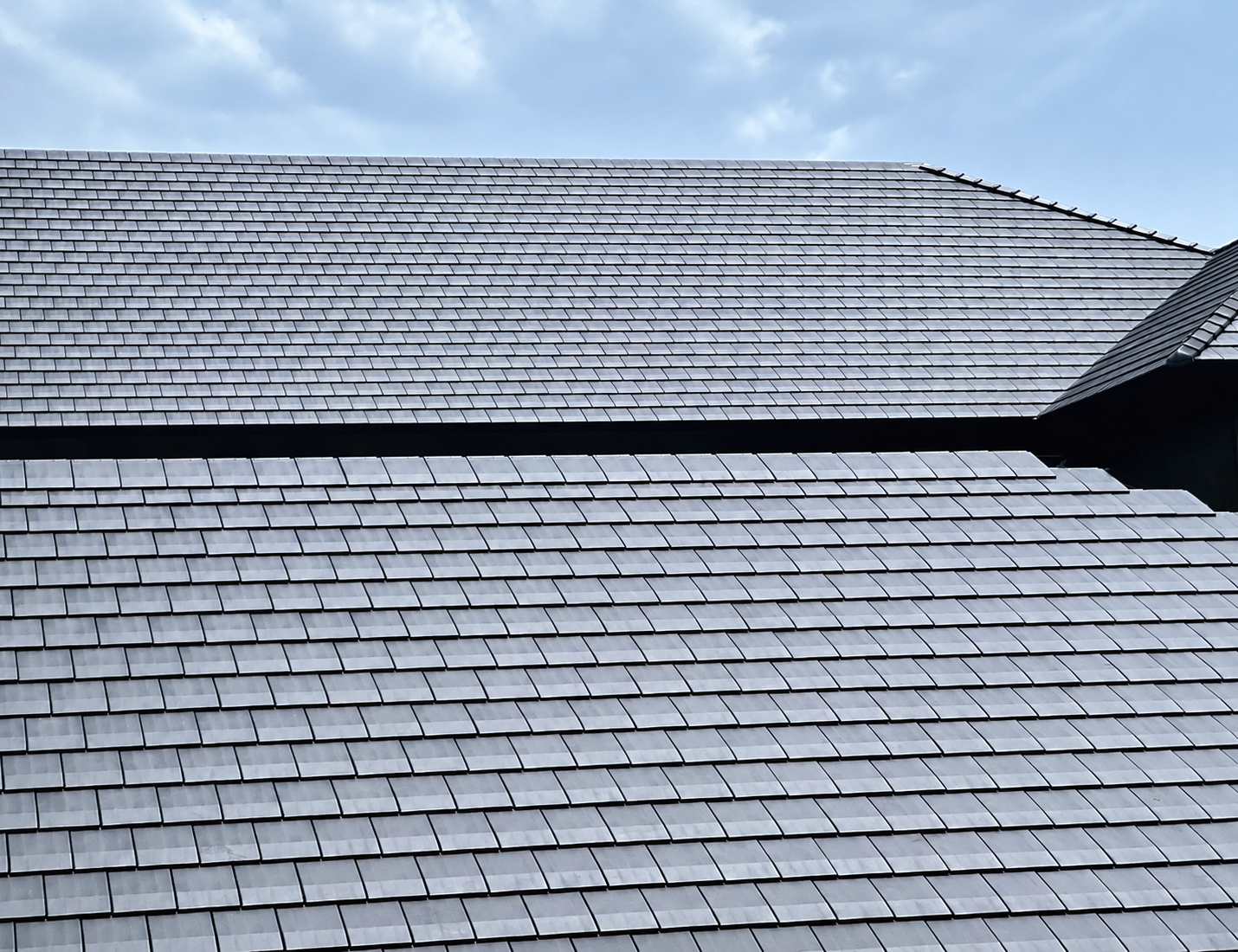
Modern Kerala home with TAPCO Elbano Blue Grey ceramic roof tiles under cloudy monsoon skies

Kerala homes experience heavy rainfall during the monsoon. Whether you have clay or ceramic roof tiles in Kerala, regular inspection and proper care are important to keep your roof in good condition.

Leaves may collect in roof gutters, moss can grow in shaded areas, and strong winds may affect loose or damaged tiles. Sometimes, homeowners notice a problem only when water stains begin appearing on the ceiling.

Regular maintenance helps identify these issues before they become more serious.

Whether your home has ceramic roof tiles or clay roof tiles, checking the roof before the rainy season is a sensible step. The actual maintenance requirements will depend on the roof design, tile type and surrounding conditions.

Roof Tile Maintenance Checklist Before the Monsoon

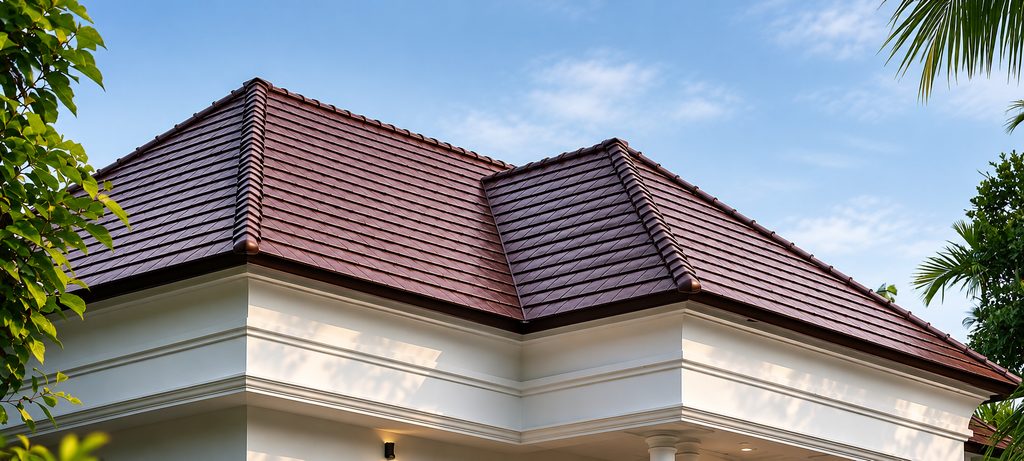
Kerala home with Tile King Coffee Brown ceramic roof tiles under cloudy monsoon skies

The best time to prepare your tiled roof is before continuous rainfall begins. Here are some important things to check.

1. Check for Cracked or Broken Roof Tiles

Start by looking at the roof from the ground or another safe location.

Check whether any tiles appear cracked, broken, missing or out of position. Pay attention to areas where the tile pattern looks uneven.

A damaged tile may allow rainwater to reach parts of the roofing system that should remain protected.

If you notice a problem, contact an experienced roofing professional to inspect it. Avoid climbing onto the roof or attempting to replace tiles yourself.

2. Clean Roof Gutters and Downpipes

Gutters and downpipes help carry rainwater away from the roof.

During summer, dry leaves, dust and small branches can collect inside gutters. When heavy rain begins, these materials may block the normal flow of water.

Water may then overflow onto the walls or collect in unwanted areas.

Before the monsoon, arrange for the gutters and downpipes to be checked and cleaned where necessary.

For more information, read our article on roof drainage during Kerala’s monsoon.

3. Look for Moss and Algae Growth

Moss and algae are familiar sights on roofs in Kerala, especially in areas surrounded by trees.

Shaded parts of a roof may remain damp for longer periods. This creates suitable conditions for green growth to appear on the tile surface.

A small amount of surface growth does not always mean the tiles are damaged. However, heavy moss growth can collect around tile joints and affect the movement of rainwater.

If cleaning is required, use a method approved for the roofing material. Do not use strong chemicals or high-pressure water without checking the manufacturer’s recommendations.

You can also read our guide on how to properly clean roof tiles.

4. Check Roof Edges, Ridges and Valleys

Tileking Elbano Matte Black ceramic roof tiles on a Kerala home surrounded by trees

Some parts of a tiled roof need extra attention.

The ridge is the top line where two roof slopes meet. A roof valley is the area where two sloping sections meet and rainwater flows towards the drainage system.

These areas may collect leaves and other debris.

For homes with ceramic roof tiles in Kerala, it is important to check roof joints and valleys before the monsoon. From a safe viewing point, look for visible gaps, loose ridge tiles or debris collected in these areas. Also, ask a roofing professional to check the flashing, which is the material fitted around roof joints to help prevent water entry.

5. Check Nearby Trees and Overhanging Branches

Many Kerala houses have coconut trees, mango trees and other greenery nearby.

Although trees provide shade, branches and falling leaves can create maintenance problems when they are very close to the roof.

Fallen leaves may block gutters, while branches can rub against roofing materials during windy weather.

Check whether any branches are touching the roof or hanging directly above it. Arrange safe trimming by a suitable professional if needed.

6. Inspect the Ceiling for Water Stains

Not all roof problems are visible from outside.

Sometimes the first warning appears inside the house.

Look for damp patches, peeling paint, discoloured ceiling areas or water marks near the upper walls.

If your home has an accessible roof space, it may also be useful to have that area inspected for signs of moisture.

A stain does not always mean a roof tile is broken. The problem could also be related to flashing, drainage or another roofing component.

What Should You Check During the Monsoon?

Once the rain starts, avoid unnecessary roof work. Instead, observe how the roof and drainage system behave during rainfall.

1. Watch How Rainwater Flows

During a normal rainfall, check whether water flows through the gutters and downpipes as expected.

If water repeatedly overflows from a gutter or collects near the walls, the drainage system may need attention.

Do not attempt to clear a blockage while it is raining heavily.

2. Check for New Leakage Signs

After heavy rain, look around the ceiling, walls and upper corners of rooms.

New water stains, damp patches or dripping water should not be ignored.

Take photographs of the affected areas and arrange a professional inspection when conditions are safe.

3. Look for Visible Tile Movement After Strong Winds

Windy weather can sometimes reveal problems with already loose or damaged roofing sections.

If you notice a change in tile alignment, missing ridge pieces or new gaps, keep a record and contact a roofing professional.

Never climb onto a wet tiled roof to check the damage.

Roof Tile Maintenance Checklist After the Monsoon

The end of the rainy season is another useful time to inspect the roof.

Some problems are easier to identify once continuous rainfall has stopped.

1. Inspect the Roof Again

Compare the roof’s appearance with how it looked before the monsoon.

Look for newly damaged tiles, changes in alignment and debris that may have collected during strong winds.

If you have photographs from an earlier inspection, they can help you identify visible changes.

2. Remove Collected Leaves and Dirt

Leaves and other materials may remain in gutters and roof valleys after the rain.

Arrange cleaning where necessary so that the drainage system is prepared for the next rainy period.

Pay attention to areas that are not easily visible from the ground.

3. Check Moss and Algae Buildup

Inspect shaded roof areas for increased moss or algae growth.

Cleaning methods should be suitable for the selected roofing product and surface finish. Avoid scraping tiles with hard tools or using aggressive cleaning chemicals.

If you are unsure about the correct method, seek advice before arranging the work.

4. Repair or Replace Damaged Tiles

A cracked or displaced roof tile should be assessed rather than left until the next rainy season.

In some cases, a roofing professional may be able to replace the affected tile without changing the entire roof.

The replacement must match the required profile, size and installation arrangement. If the original product is unavailable, ask a roofing professional to check suitable options before proceeding.

A Simple Roof Tile Maintenance Schedule for Kerala Homes

You do not need to wait for a roof leak before checking its condition.

The following table gives a practical maintenance routine that homeowners can follow.

When to CheckWhat to Look ForRecommended Action
Before monsoonCracked tiles, blocked gutters, moss and loose roof detailsArrange inspection, cleaning and necessary repairs
During monsoonOverflowing gutters, damp walls and ceiling stainsObserve from a safe place and report problems
After heavy windsMissing tiles, displaced sections and fallen branchesArrange professional inspection if damage is visible
After monsoonCollected debris, tile damage and increased moss growthClean and repair affected areas where needed

Homes surrounded by trees may need more frequent attention because leaves can collect quickly. The inspection frequency should depend on the roof’s condition and surroundings.

How to Clean Ceramic and Clay Roof Tiles Safely

Roof cleaning should not damage the tiles or their surface finish.

Both ceramic and clay roof tiles may need occasional cleaning, but the correct method depends on the selected product.

For example, a glazed ceramic roof tile may have different cleaning requirements from an unglazed clay tile.

Keep these points in mind:

  • Follow the manufacturer’s cleaning instructions.
  • Avoid high-pressure water jets unless the manufacturer specifically permits them.
  • Do not use strong acids, harsh chemicals or abrasive tools without product-specific approval.
  • Avoid walking directly on roof tiles, especially when they are wet.
  • Use trained professionals for cleaning work that requires roof access.

The aim is to remove unwanted dirt and growth without disturbing the tiles, their fixing arrangement or the surrounding roof components.

Common Roof Tile Maintenance Mistakes to Avoid

Many roof problems can become more difficult to manage when small warning signs are ignored.

One common mistake is waiting until there is visible water leakage before arranging an inspection. A blocked gutter or damaged tile may be easier to address when discovered early.

Another mistake is using a high-pressure washer to remove dirt quickly. Depending on the roofing product, strong water pressure can damage the tile surface or force water into vulnerable roof areas.

Some homeowners also try to replace a damaged tile without checking its profile or fitting method. Using an unsuitable replacement may affect how the surrounding tiles overlap.

It is better to inspect regularly, use the correct cleaning method and seek professional assistance for repairs.

Does Roof Tile Maintenance Depend on the Tile Type?

Yes. Different roofing products can have different cleaning and inspection requirements.

For clay roof tiles, homeowners should check for cracks, displacement, accumulated debris and surface growth.

For ceramic roof tiles, the same general checks are useful, but cleaning methods should also consider the finish of the selected product.

The roof’s slope, fixing arrangement and drainage design are equally important.

If you are replacing damaged tiles or planning a new roof, explore the TAPCO roof tile collection to understand the available roofing options.

You can also review the ceramic roof tile options offered by Tapco Roof Tiles.

When Should You Call a Roofing Professional?

Some maintenance checks can be done through simple observation. Other tasks require proper equipment, experience and safe access.

Contact a qualified roofing professional if you notice:

  • Repeated roof leakage during rain.
  • Several broken, missing or displaced roof tiles.
  • Loose ridge tiles or damaged roof joints.
  • Water collecting repeatedly in roof valleys.
  • Visible sagging or unusual changes in the roofline.
  • Damage after strong winds or falling branches.

Do not attempt to walk on a wet or damaged tiled roof. A professional can inspect the affected areas and advise whether cleaning, repair or replacement is needed.

Frequently Asked Questions

1. How often should roof tiles be checked in Kerala?

It is useful to inspect roof tiles before and after the monsoon. Additional checks may be needed after strong winds, heavy rainfall or when visible damage appears.

2. Can moss growth damage roof tiles?

Heavy moss growth can hold moisture and interfere with rainwater movement around some roofing details. Not every patch of moss means the roof is damaged, but excessive growth should be assessed and cleaned using a suitable method.

3. How should ceramic roof tiles be cleaned?

The correct cleaning method depends on the ceramic roof tile’s surface finish and manufacturer recommendations. Avoid harsh chemicals and high-pressure washing unless the product instructions clearly permit them.

4. What are the early signs of roof tile leakage?

Common warning signs include ceiling stains, damp patches, water dripping during rain and visibly damaged or displaced tiles. A professional should identify the actual cause because leakage may also come from flashing or drainage problems.

5. Can a single damaged roof tile be replaced?

In many roofing systems, individual damaged tiles can be replaced if a suitable matching tile is available. The replacement should be carried out by a roofing professional using the correct fixing method.

6. Is it safe to walk on roof tiles during the monsoon?

Walking on wet roof tiles is unsafe because the surface may be slippery, and stepping incorrectly may damage tiles. Homeowners should inspect from a safe location and leave roof access to trained professionals.

7. Should roof gutters be cleaned before the monsoon?

Yes. Removing leaves and debris before the rainy season helps rainwater move through the drainage system. Gutters may also need checking after heavy winds or when water overflows during rainfall.

Conclusion

Roof tile maintenance in Kerala does not have to be complicated. A few simple checks before and after the monsoon can help homeowners identify damaged tiles, blocked gutters and other roofing problems.

The important thing is to act when you notice something unusual instead of leaving it until the next rainy season.

Whether your house has ceramic or clay roof tiles, suitable cleaning, regular observation and timely professional repairs can help maintain the condition of the roofing system.

TAPCO HEXA GRIP™ Technology: The Engineering Behind Premium Roof Tiles

When choosing roof tiles for a new home, most people look at the colour, shape and finish. But the backside of a roof tile is also an important part of its design.

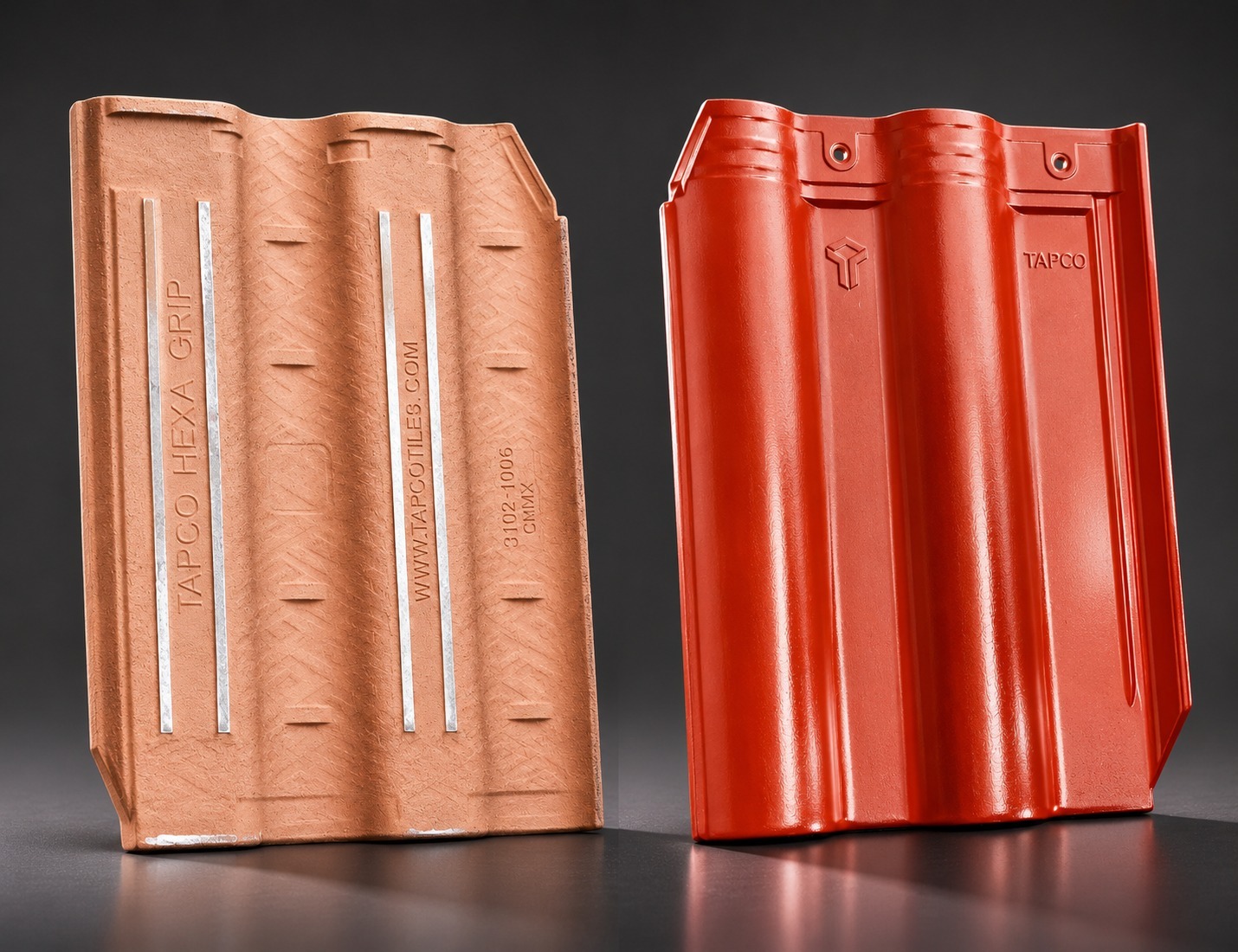
TAPCO HEXA GRIP™ Technology introduces a specially developed hexagonal embossed pattern on the backside of selected TAPCO luxury roof tiles. The design focuses on how the tile engages with its supporting structure, with the aim of improving the way the tile sits and remains positioned within a properly installed roofing system.

What Is TAPCO HEXA GRIP™ Technology?

TAPCO HEXA GRIP™ is a roof tile design technology that uses a hexagonal embossed pattern on the underside of the tile.

In simple words, the backside of the tile has a specially designed raised pattern rather than a completely plain surface.

This pattern is integrated into the tile’s backside structure. It is not an additional sheet or separate layer attached to the tile.

The purpose of this design is to create multiple potential engagement points between the tile and its supporting arrangement.

It reflects a simple idea: the design of a roof tile should not focus only on the part that is visible after installation.

The underside also deserves attention.

Why Does the Backside of a Roof Tile Matter?

When we look at a completed roof, we usually see only the upper surface of the tiles.

The backside remains hidden.

However, this part of the tile plays a role in how the product rests on the roof’s supporting structure.

In many tiled roofing systems, horizontal supports called battens are used to position and support the roof tiles.

The exact arrangement depends on the tile profile, roof slope, support material and installation method.

A roof tile must be suitable for this arrangement.

This is why the dimensions, profile, backside design and fixing requirements are all important when choosing roofing materials.

The importance of tile-to-support engagement

Tile-to-support engagement means the way a roofing tile comes into contact with and rests against its supporting components.

TAPCO HEXA GRIP™ has been developed with this interaction in mind.

Its hexagonal embossed backside is intended to provide multiple engagement points.

The engineering objectives include improving tile engagement, reducing unintended movement and supporting better distribution of mechanical stress.

These are design objectives. The actual improvement achieved must be established through suitable laboratory and installation testing.

HEXA GRIP™ should not be considered a replacement for proper tile fixing, suitable battens or the manufacturer’s installation requirements.

Understanding the Hexagonal Embossed Design

The hexagon is a familiar shape found in nature. Honeycomb structures are one example.

Hexagonal patterns are also used in different engineering and design applications because they can be arranged in a regular, repeating structure.

TAPCO HEXA GRIP™ takes inspiration from this geometry.

The technology uses a specially developed embossed pattern on the backside of the roof tile.

What makes this design different?

The main difference is the attention given to the hidden surface of the tile.

Instead of treating the backside only as a supporting surface, HEXA GRIP™ introduces a deliberate geometric pattern.

The design concept focuses on:

  • Creating multiple potential engagement points.
  • Improving the way the tile interacts with its support.
  • Addressing unintended movement as an engineering objective.
  • Considering how mechanical stress acts on the tile.
  • Giving importance to the design of the tile’s backside.

The hexagonal shape is part of the technology’s identity. However, the presence of a hexagonal pattern alone does not prove that a tile is stronger or more stable than another product.

Those differences need to be confirmed through appropriate testing.

How Is HEXA GRIP™ Designed to Work?

To understand the concept, imagine a roofing tile being placed on its supporting batten.

The tile must rest in the correct position according to the intended installation arrangement.

Its shape, fixing points and backside geometry are all relevant to this interaction.

With HEXA GRIP™, the embossed hexagonal pattern introduces an additional design consideration at the underside of the tile.

The idea is to make use of the tile’s backside geometry to support engagement with the appropriate roofing support.

Does HEXA GRIP™ lock the tile in place?

HEXA GRIP™ should not be described as a mechanical locking system without verified technical evidence.

The embossed pattern is designed with tile engagement in mind, but it does not remove the need for approved fixing methods.

The tile must still be installed according to the requirements of the particular roofing product.

Correct spacing, suitable supports, tile overlap and fixing arrangements remain essential parts of a properly installed roof.

The Engineering Behind Premium TAPCO Ceramic Roof Tiles

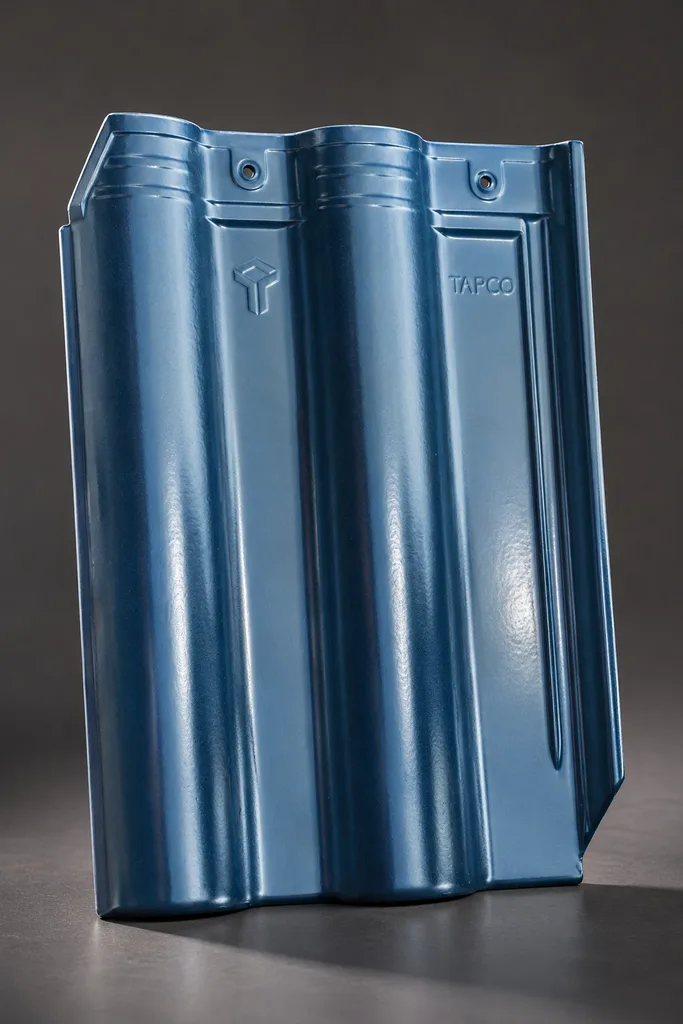
TAPCO HEXA GRIP Blue Grey ceramic roof tile showing its front profile and glossy finish

A roof tile is more than its visible colour.

The materials used to make it, its surface finish, profile and manufacturing process all contribute to the finished product.

TAPCO’s ceramic roofing range includes products made using imported white clay. TAPCO’s published product information also describes the use of imported colour pigments.

For homeowners choosing ceramic roof tiles in Kerala, these are useful details to consider when comparing different roofing options.

However, the exact material specification and surface treatment should always be confirmed for the particular product being purchased.

1. The ceramic tile body

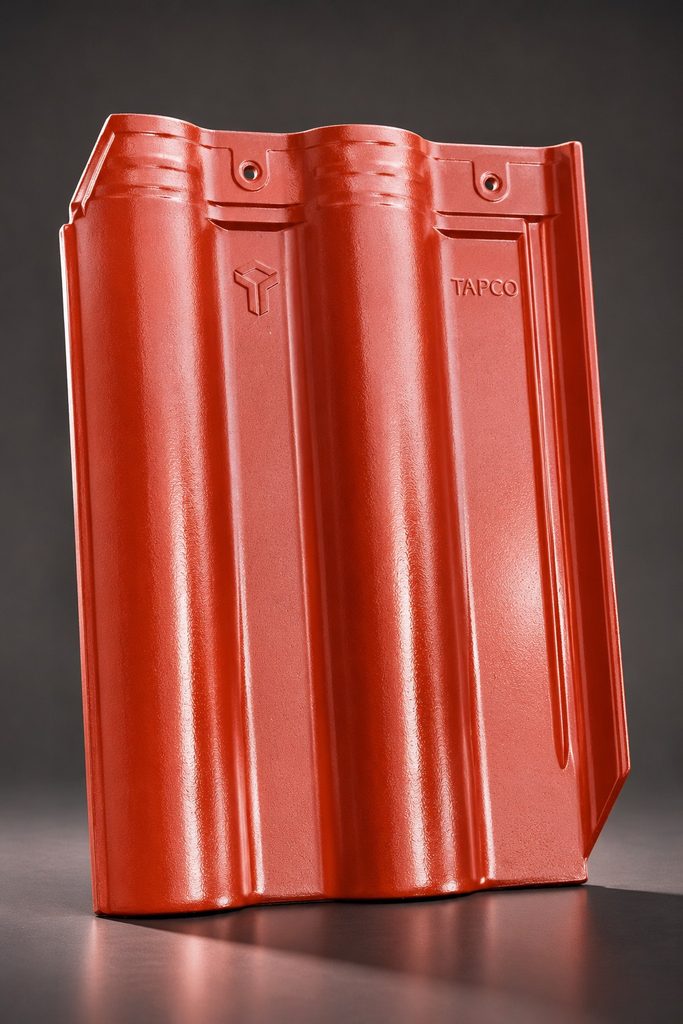
TAPCO HEXA GRIP Terracotta ceramic roof tile showing its front profile and glossy finish

The body forms the main structure of a ceramic roof tile.

It gives the tile its shape and supports the surface finish and profile.

When comparing ceramic roof tiles, homeowners can ask about the raw materials, tile dimensions, weight and available technical specifications.

It is also important to check whether the selected product is suitable for the planned roof design.

2. Colour and surface finish

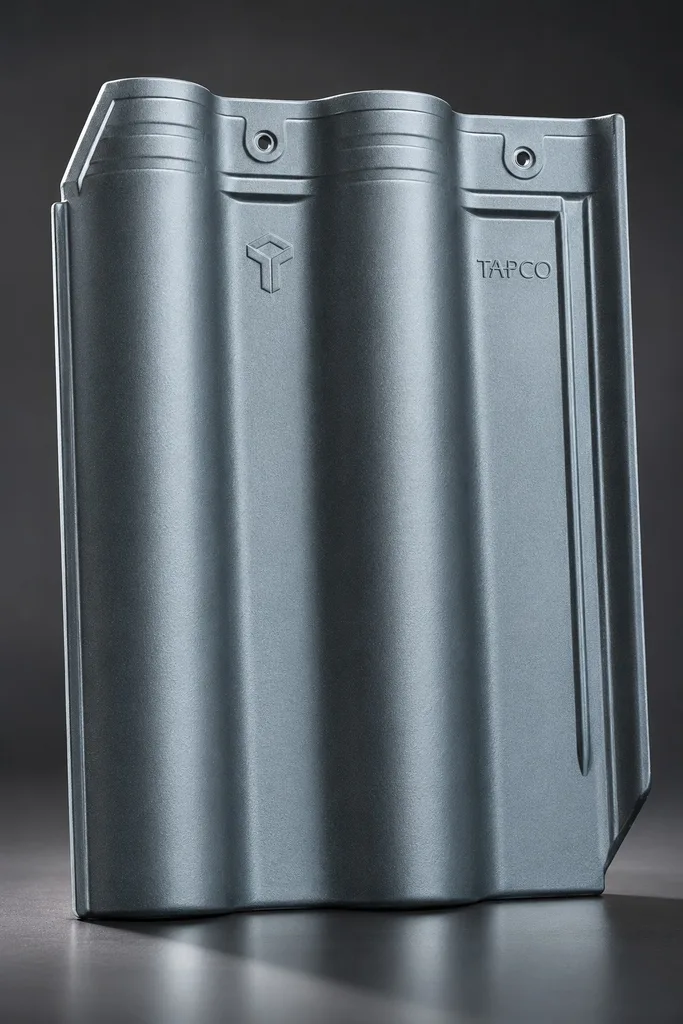
TAPCO HEXA GRIP Matt Black ceramic roof tile showing its front profile and matt finish

Roof tile colour can make a big difference to the appearance of a house.

TAPCO’s ceramic roofing range includes different colours and designs for traditional and modern architecture.

The finished appearance depends on the selected pigments, ceramic finish and manufacturing process.

For colour performance, homeowners should ask for product-specific information rather than assuming that every colour or finish will perform in the same way.

3. Backside design and tile engagement

This is where HEXA GRIP™ introduces a different design approach.

Along with the visible profile and finish, attention is given to the embossed geometry on the underside.

The technology brings together the appearance of a premium roof tile and an engineering concept focused on its supporting arrangement.

You can explore the available TAPCO ceramic roof tiles to understand the wider ceramic roofing range.

HEXA GRIP™ and Conventional Roof Tile Designs

Roof tiles come in different materials, shapes and backside designs.

Some use particular profiles to position the tile on its support. Others have different fixing arrangements depending on the product.

The important point is not to assume that one design is automatically stronger than another simply by looking at its shape.

Here is what homeowners should compare.

What to CheckHEXA GRIP™ DesignOther Roof Tile Designs
Backside patternSpecially developed hexagonal embossed patternDepends on the selected model
Tile engagementA design focus of HEXA GRIP™Depends on the profile and support arrangement
Fixing requirementsMust follow the applicable installation instructionsMust follow the applicable installation instructions
Movement resistanceIntended engineering benefit requiring test evidenceRequires product-specific evidence
Suitability for the roofMust be checked against the selected product specificationMust be checked against the selected product specification

This comparison explains the design approach. It does not establish that HEXA GRIP™ performs better than every other roof tile.

Why Is Proper Roofing Design Important in Kerala?

Kerala experiences heavy monsoon rainfall, humid conditions and periods of strong wind.

For homeowners, these conditions make roof planning particularly important.

When choosing roofing materials, it is necessary to consider more than just the tile design.

Roof slope

The slope helps rainwater flow down the roof.

The required slope depends on the selected roofing tile and installation system.

Before installation, the roof design should be checked against the manufacturer’s recommendations.

Roof tile fixing

The tiles should be positioned and fixed correctly using the method recommended for the selected product.

The fixing arrangement may depend on the roof slope, location and expected weather conditions.

HEXA GRIP™ is designed with tile engagement in mind, but its embossed backside does not replace correct installation.

Roof drainage

During Kerala’s monsoon, rainwater must be able to move away from the roof properly.

Gutters, downpipes and other drainage details should be planned according to the building design.

Even a carefully designed roofing tile may experience problems if the complete roof is not installed and maintained correctly.

Regular maintenance

Roofing tiles should be checked for visible damage, displaced sections and accumulated debris.

Homes surrounded by trees may also need additional attention because leaves, moss and algae can collect on roof surfaces.

Regular inspection helps identify problems that may need professional attention.

What Should Homeowners Check Before Choosing HEXA GRIP™ Roof Tiles?

If you are considering a TAPCO roof tile featuring HEXA GRIP™, start by examining the actual product.

Looking at both sides of the tile can help you understand its profile and construction.

Before finalising your purchase, check the following:

  • Actual product design: Look at the front profile and the hexagonal embossed backside.
  • Tile dimensions: Confirm the size, coverage and weight of the selected model.
  • Roof slope: Check whether the tile is suitable for your planned roof.
  • Installation method: Ask about the required battens, spacing and fixing arrangement.
  • Colour and finish: Compare physical samples with your house design.
  • Technical information: Request available product specifications and relevant test reports.
  • Availability: Confirm which TAPCO product models currently feature HEXA GRIP™.

You can also review the TAPCO roof tile collection to compare the available profiles and designs.

Why Look Beyond the Surface When Buying Roof Tiles?

A beautiful roof is an important part of a home, but choosing roof tiles only by colour or appearance may leave out other useful details.

Two tiles may look similar from a distance, yet have different profiles, dimensions, fixing requirements or backside designs.

Understanding these differences helps homeowners ask the right questions before buying.

This is the idea behind TAPCO’s HEXA GRIP™ campaign:

THE VALUE IS BENEATH THE SURFACE.

It encourages homeowners, architects and roofing contractors to look closely at the design details that are not visible once the roof is completed.

TAPCO Roof Tiles brings more than 46 years of experience in roofing and building materials to its product range.

You can learn more about the company through the TAPCO About page.

Frequently Asked Questions About TAPCO HEXA GRIP™ Technology

1. What is TAPCO HEXA GRIP™ Technology?

TAPCO HEXA GRIP™ is a specially developed hexagonal embossed pattern integrated into the backside of selected TAPCO roofing tiles. It is designed with a focus on tile-to-support engagement and the way the tile sits within the roofing system.

2. What is the purpose of the hexagonal pattern on the backside of the tile?

The pattern is intended to create multiple engagement points between the tile and its supporting arrangement. Its actual effect on movement resistance or stability must be confirmed through appropriate testing.

3. Is HEXA GRIP™ a separate layer added to the roof tile?

No. HEXA GRIP™ is described as an embossed pattern integrated into the backside structure of the tile, not as an additional sheet or coating.

4. Does HEXA GRIP™ prevent roof tiles from moving during strong winds?

Reducing unintended tile movement is one of the design objectives of HEXA GRIP™. However, wind resistance depends on the full roofing system, and any specific performance advantage needs suitable test evidence.

5. Is HEXA GRIP™ suitable for homes in Kerala?

Its suitability depends on the selected tile model, roof slope, support arrangement and installation requirements. For Kerala homes, correct roof fixing and rainwater drainage are particularly important because of the monsoon climate.

6. Does HEXA GRIP™ replace normal roof tile fixing methods?

No. The embossed design should not be treated as a replacement for the recommended fixing arrangement. Always follow the installation instructions for the particular roofing product.

7. Where can I find TAPCO HEXA GRIP™ roof tiles?

Contact TAPCO Roof Tiles to confirm the models currently available with HEXA GRIP™ Technology. You can also ask for product samples, installation information and available technical specifications before placing an order.

Conclusion

Roofing innovation is not always visible from outside a building.

The colour and finish of a tile are important, but the material, profile, backside design and installation requirements also deserve attention.

TAPCO HEXA GRIP™ Technology introduces a hexagonal embossed backside concept designed around the interaction between a roof tile and its supporting structure.

It is an example of how thoughtful product design can extend beyond the visible surface.

For homeowners planning a new house or renovating an existing tiled roof, understanding these details can help them make a more informed roofing decision.

TAPCO HEXA GRIP™ – ENGINEERED TO HOLD STRONG.

Mangalore Pattern vs Elbano vs Roman Tiles: Which Profile Suits Your Roof?

Mangalore Pattern, Elbano and Roman roof tiles have different designs, so the right choice depends on the style of your house and the roofing requirements. Mangalore Pattern suits a traditional tiled-roof appearance, Elbano gives a neat roof with repeated grooves, and Roman tiles create a more prominent curved look.

For homes in Kerala, appearance is only one part of the decision. When choosing ceramic roof tiles in Kerala, it is important to consider the roof slope, supporting structure and proper installation, especially during the monsoon season.

Understanding Different Roof Tile Profiles

When planning a new house, homeowners usually spend a lot of time choosing the exterior paint, windows and doors. But the roof also makes a big difference to the overall look of the building.

One important detail is the roof tile profile.

A roof tile profile simply means the shape and surface pattern of a tile. Some tiles have narrow grooves, while others have raised curves or a more prominent wave-like design.

These differences change how the completed roof looks. They can also affect how tiles overlap and how they need to be installed.

Mangalore Pattern, Elbano and Roman are three styles worth comparing if you are planning a sloping roof for your home.

1. Mangalore Pattern Roof Tiles – A Traditional Roofing Style

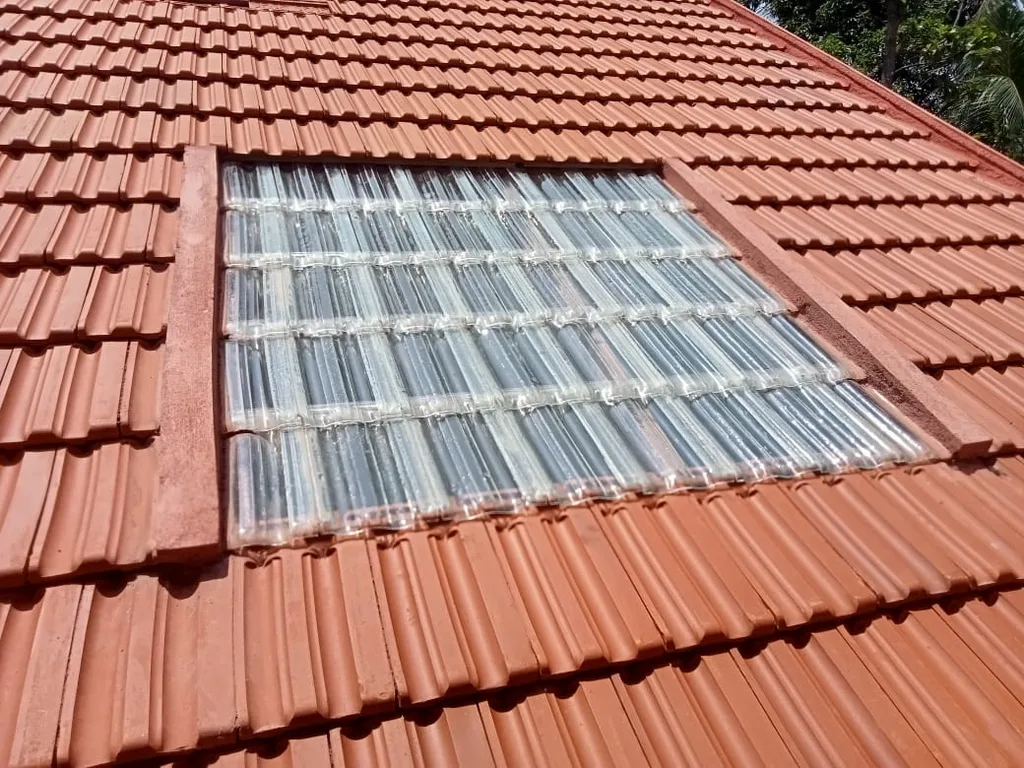
TAPCO Double Groove roof tiles installed on a sloping roof with a transparent roofing panel

Mangalore Pattern roof tiles are commonly associated with traditional South Indian houses. They are generally made from fired clay and have a familiar grooved, overlapping design.

You can see this style on older Kerala homes, traditional buildings and houses with sloping roofs.

What Makes Mangalore Pattern Tiles Different?

The main feature is their traditional shape. The tiles are arranged in overlapping rows, with grooves and raised edges that help them fit together.

Their appearance is simple and familiar, making them a natural choice for homeowners who prefer traditional roofing designs.

When Should You Consider Mangalore Pattern Tiles?

This profile is worth considering for:

  • Traditional Kerala-style houses.
  • Homes with wooden windows and natural exterior finishes.
  • Renovation projects where the existing roof has a similar design.
  • Houses where a classic tiled-roof appearance is preferred.

Before using Mangalore Pattern tiles for renovation, check whether the new tiles match the dimensions and fitting requirements of the existing roofing system.

Tiles from different manufacturers may look similar but may not fit together correctly.

2. Elbano Roof Tiles – A Neat and Detailed Roof Design

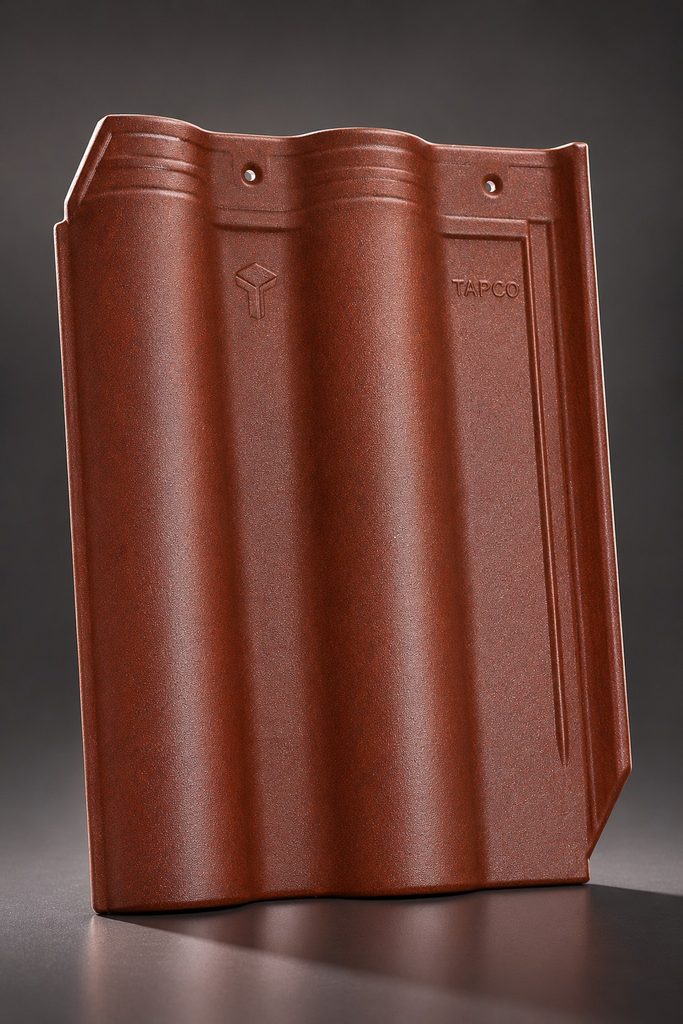
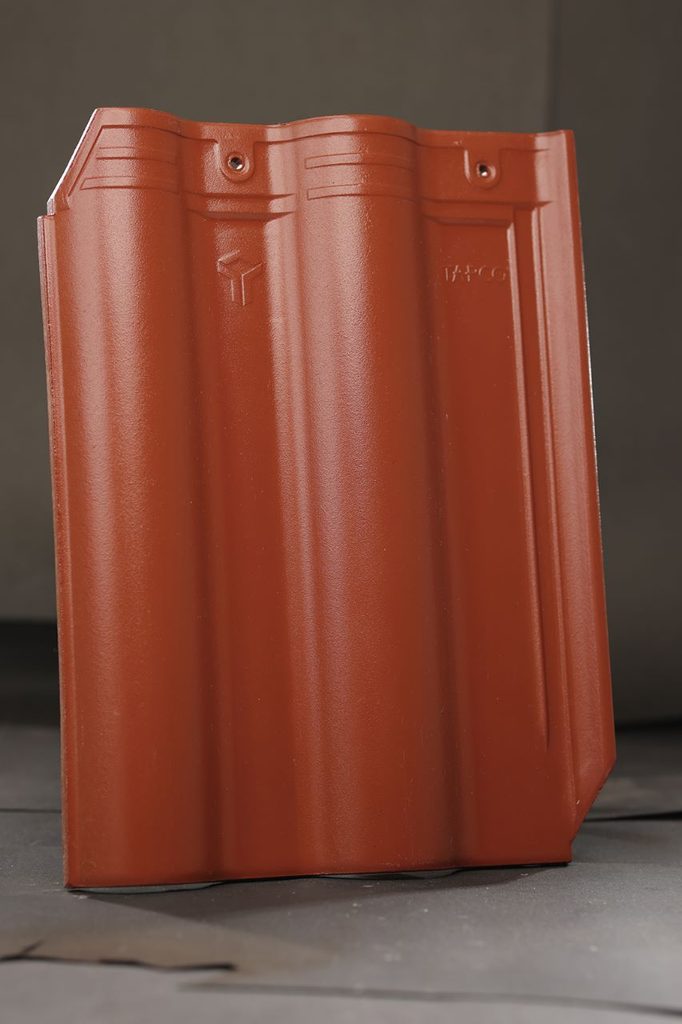
TAPCO Elbano Red Dot roof tile with raised grooves and reddish-brown finish

Elbano roof tiles have a distinctive surface pattern with repeated raised grooves. When installed across a sloping roof, they create a regular and detailed appearance.

This profile can be considered for both traditional and modern house designs, depending on the selected colour and finish.

What Makes Elbano Tiles Different?

Unlike a simple traditional profile, Elbano tiles have a more noticeable surface design.

The repeated grooves create a consistent pattern across the roof. This can look attractive on houses where the tiled roof forms a large part of the exterior.

Elbano is one of the profiles listed in the TAPCO roof tile collection.

Which Homes Can Suit Elbano Tiles?

Elbano tiles may work well for:

  • Modern Kerala homes with sloping roofs.
  • Villas with multiple roof sections.
  • Traditional-style houses with updated exterior designs.
  • Homes where the owner wants a detailed but balanced roof appearance.

For example, Elbano tiles in a suitable earthy shade can complement cream or off-white walls. Darker colour options may work well with contemporary exterior finishes.

The final choice should be based on an actual tile sample and the house elevation.

Homeowners can explore TAPCO’s ceramic roof tile collection to compare available Elbano options.

3. Roman Roof Tiles – A Distinctive Curved Appearance

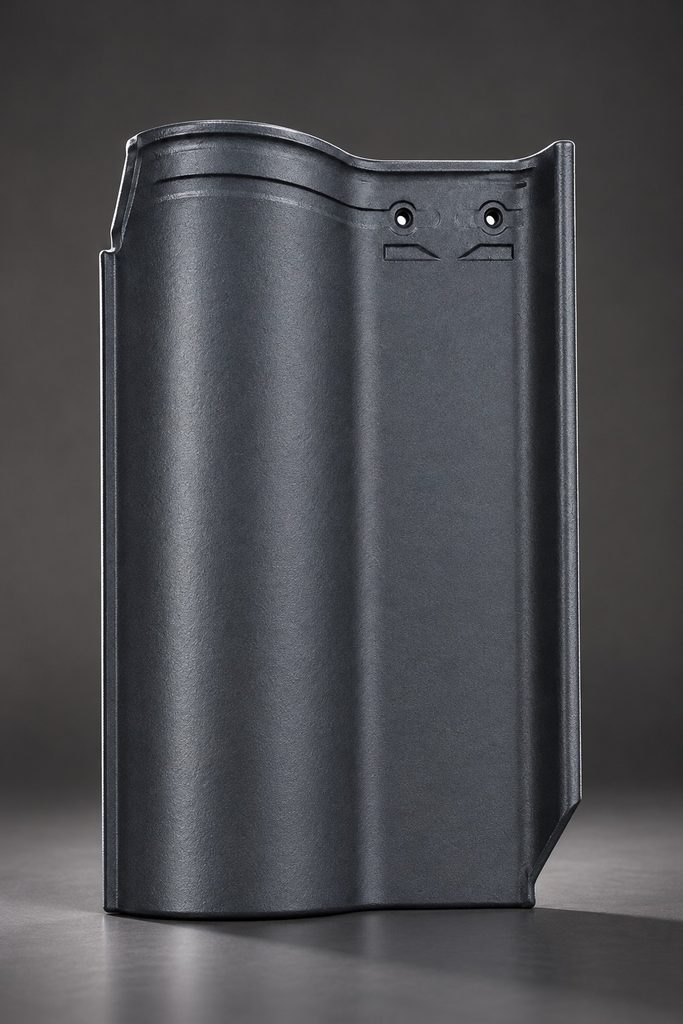
Matte black Roman-style roof tile with a raised curved profile

Roman roof tiles are known for their pronounced curved profile. Their shape creates a stronger wave-like pattern compared with tiles that have several smaller grooves. For homeowners exploring ceramic roof tiles in Kerala, Roman-style tiles can be an attractive option for houses with large sloping roofs.

This makes the roof more visually noticeable, especially on homes with large sloping roof sections.

What Makes Roman Tiles Different?

The main difference is the surface shape.

Roman tiles generally have a prominent rounded section alongside a flatter area. When arranged across a roof, this creates a repeating curved pattern.

The profile can add character to a house without depending on complicated exterior decoration.

Which Homes Can Suit Roman Roof Tiles?

Roman tiles may suit:

  • Villas with large sloping roof areas.
  • Houses inspired by Mediterranean architecture.
  • Contemporary homes where the roof is a major design feature.
  • Homes where a more curved roofing pattern is preferred.

For example, Roman tiles can complement a light-coloured house with simple exterior finishes and clearly visible roof sections.

TAPCO lists Roman roof tile options in its product collection. Homeowners should compare the available colours and finishes before selecting a particular model.

4. Mangalore Pattern vs Elbano vs Roman Tiles: A Simple Comparison

Although these profiles have different appearances, none should be selected based on looks alone.

Here is a simple comparison to help you understand their design differences.

FeatureMangalore PatternElbanoRoman
General appearanceTraditional and familiarNeat, detailed patternProminent curved pattern
Surface designGrooves and interlocking edgesRepeated raised groovesRounded wave with flatter section
Design preferenceClassic Kerala architectureTraditional and modern housesVillas and expressive sloping roofs
Visual effectFamiliar tiled-roof finishRegular, detailed arrangementStronger curved appearance
MaterialCommonly fired clayCheck selected product specificationCheck selected product specification
InstallationFollow selected model’s requirementsFollow selected model’s requirementsFollow selected model’s requirements

This comparison focuses mainly on the appearance of the profiles. Roof slope, fixing method, tile weight and other technical requirements must be checked for the exact product you intend to purchase.

5. Which Roof Tile Profile Is Suitable for Kerala’s Climate?

Kerala experiences heavy monsoon rain, humid weather and warm temperatures. These conditions make proper roof planning important.

However, it would not be correct to say that Mangalore Pattern, Elbano or Roman tiles are automatically better simply because of their shape.

The performance of a tiled roof depends on the complete roofing system.

Roof Slope

The roof should have a slope that is suitable for the selected tile.

If the slope is not suitable, rainwater may not flow away as intended. This can increase the possibility of water entering through vulnerable areas.

Always check the manufacturer’s recommended roof pitch before installation.

Tile Overlap and Fixing

Roof tiles are arranged so that adjoining pieces overlap or interlock as intended.

The amount of overlap, spacing and fixing arrangement may vary from one product to another.

An experienced roofing contractor should follow the installation guidelines for the selected model.

Roof Drainage

During Kerala’s monsoon, gutters, valleys and downpipes help manage rainwater.

Blocked gutters or poorly planned drainage can create problems even when suitable roof tiles have been used.

Moss and Algae

In damp or shaded areas, moss and algae may develop on roofing surfaces.

Regular inspection and suitable cleaning can help maintain the roof’s appearance. Always follow the product manufacturer’s cleaning advice.

The important point is simple: choose the tile profile you like, but make sure the complete roof is designed for the local conditions.

6. How Does Roof Tile Profile Affect the Look of Your Home?

The roof occupies a large visible area in many Kerala houses. Changing its tile profile can noticeably change the overall appearance.

For Traditional Kerala Houses

If your house has a traditional design with wooden details, a veranda and sloping roof sections, a Mangalore-style appearance may complement the architecture.

Elbano can also be considered if you prefer a more detailed roof pattern while keeping the traditional character of the house.

For Modern Villas

Modern villas often combine simple wall colours with larger windows and clearly defined roof sections.

Elbano can provide a regular, detailed roofing pattern. Roman tiles may be worth considering when you want the curved roof design to stand out more.

For Homes with Multiple Roof Sections

Some Kerala houses have several slopes, ridges, hips and valleys.

In such houses, the selected tile needs to work with the complete roof layout. Matching ridge tiles, edge details and other suitable accessories are also important.

Before making the final decision, ask your architect or roofing contractor to review the selected profile against the roof plan.

7. What Should You Check Before Choosing a Roof Tile Profile?

A roof tile may look attractive in a showroom, but you also need to understand how it will work on your house.

Before buying, check these important points.

Check the Actual Tile Sample

Photographs are useful for comparing designs, but they may not show the exact colour or finish.

Look at a physical sample in natural daylight. Check the surface shape, edges, colour and overall finish.

Check the Roof Structure

Different roofing products can have different weights and installation requirements.

Your engineer or roofing professional should confirm whether the roof structure can support the selected material and installation arrangement.

Ask About Tile Size and Coverage

Do not calculate the number of tiles needed using only their overall dimensions.

Ask for the effective coverage of the selected tile, including the required overlap. This will help your contractor estimate the quantity more accurately.

Compare the Complete Roofing Cost

The total roofing cost involves more than the price of individual tiles.

Consider the roofing tiles, supporting materials, fixing accessories, installation work and other necessary components.

Get quotations based on the same roof plan so that you can compare them properly.

Check Product Availability

Before finalising a colour or profile, confirm the current availability of the selected model and matching accessories.

You can browse the TAPCO roof tile designs and profiles to understand the options available for different house styles.

8. Which Profile Should You Choose?

There is no single profile that suits every home.

If you prefer the familiar appearance of a traditional Kerala tiled roof, Mangalore Pattern is a style worth considering.

If you want a neat roof with repeated grooves that can complement both traditional and contemporary designs, Elbano may be a suitable option.

If you prefer a more noticeable curved pattern, Roman tiles can create a different architectural appearance.

However, your final decision should also consider the roof slope, tile material, installation requirements, budget and available colours.

The easiest way to choose is to compare actual tile samples alongside your house elevation rather than making the decision from a photograph alone.

Frequently Asked Questions

1. What is the main difference between Mangalore Pattern, Elbano and Roman roof tiles?

The main difference is their profile and overall appearance. Mangalore Pattern has a traditional grooved design, Elbano features repeated raised grooves, and Roman tiles have a more prominent curved shape.

2. Are Elbano roof tiles suitable for Kerala homes?

Elbano roof tiles can be considered for Kerala homes with suitable sloping roof designs. The exact product should be checked for recommended slope, installation method and compatibility with the supporting structure.

3. Are Roman roof tiles suitable for modern houses?

Yes, Roman roof tiles can complement modern houses, particularly those with visible sloping roof sections. Their curved appearance can create an interesting contrast with simple exterior walls and contemporary architectural details.

4. Which roof tile profile is better for heavy rain?

No profile should be considered better for heavy rain based only on its appearance. The selected product must suit the roof slope, fixing arrangement, drainage design and installation requirements.

5. Can Mangalore Pattern tiles be replaced with Elbano or Roman tiles?

It may be possible to change the tile profile during roof renovation, but the existing roof structure needs to be checked first. Tile weight, spacing, fixing arrangements and the roof slope may need changes, so professional assessment is important.

6. Are Roman and Elbano roof tiles available in different colours?

Yes, TAPCO lists different colour options within its Elbano and Roman roof tile collections. Check current product availability and compare physical samples before confirming a colour.

7. How do I choose the correct roof tile profile for my house?

Start with your house design, then compare the appearance of different profiles. Check the manufacturer’s specifications and discuss the roof slope, structure, drainage and installation requirements with your roofing professional.

Conclusion

Mangalore Pattern, Elbano and Roman roof tiles offer different looks for different house designs. The right choice depends on the kind of home you are building and the appearance you want to achieve.

A traditional house may look attractive with a classic Mangalore-style roof, while Elbano and Roman profiles offer other design possibilities for modern and traditional homes.

Whatever profile you choose, give equal importance to the roof structure, proper installation and rainwater drainage.

TAPCO Roof Tiles, based in Choolissery, Thrissur, has over 46 years of experience in roofing and building materials.

If you are planning a new roof or renovating an existing one, explore the available designs and discuss your requirements with the TAPCO team. You can also find a TAPCO showroom in Kerala to enquire about roofing options.

Best Roof Tiles in Kerala: A Buyer’s Guide (2026)

Choosing the best roof tiles in Kerala depends on your house design, budget, roof structure and local weather conditions. Both clay and ceramic roof tiles can be good choices for sloping roofs when they are selected and installed correctly. Before buying, compare the tile quality, roof slope requirements, weight, colour, maintenance needs and total roofing cost.

Why Choosing the Right Roof Tiles Matters in Kerala

Kerala’s weather is one of the main things homeowners should consider when planning a roof. Heavy monsoon rain, hot afternoons and humid conditions can affect how a roofing system performs over time.

A roof should do more than look beautiful. It should allow rainwater to drain properly, suit the building structure and be practical to maintain.

For example, a home surrounded by coconut trees may need regular roof and gutter cleaning because leaves and other debris can collect during the rainy season. A house close to the sea may require additional attention to the roofing fixtures because of moisture and salt exposure.

The right roofing choice depends on the house and its surroundings.

This is why homeowners should compare roofing materials carefully instead of selecting a product based only on its colour or price.

Types of Roof Tiles Commonly Considered for Kerala Homes

There are different roofing materials available for residential buildings. Clay and ceramic roof tiles are two options commonly considered for sloping roofs in Kerala.

Both offer different finishes and design possibilities.

1. Clay Roof Tiles

Roman Clay TC Roof Indus terracotta clay roof tile

Clay roofing tiles in Kerala are made from natural clay that is shaped and fired. They are closely associated with traditional Kerala houses and sloping roof designs.

Their natural earthy appearance can work well with wooden windows, cream-coloured walls and traditional architectural details.

Clay roof tiles can be considered for independent houses, traditional homes and renovation projects.

However, homeowners should check the tile weight, dimensions, quality and installation requirements before buying. Different clay tile products may have different specifications.

Regular inspection is also important, particularly where trees, falling branches or accumulated debris may affect the roof.

2. Ceramic Roof Tiles

Red ceramic roof tile for traditional and modern Kerala homes

Ceramic roof tiles are another option for homeowners who want to combine sloping roof designs with different colours and finishes.

Depending on the product, ceramic roof tiles may be available in matt, glossy or other surface finishes.

They can complement traditional homes as well as modern villas, especially where the roof forms a visible part of the house design.

If you are considering ceramic roof tiles for your home, compare the actual product samples and ask for specifications before finalising your selection.

Check the tile weight, water absorption information, recommended roof slope and fixing requirements. These details are more useful than depending only on the product’s appearance.

3. Concrete Roof Tiles

Concrete roof tiles are another roofing option available in the market. They may suit some sloping roof designs, depending on the product and supporting structure.

Before choosing concrete tiles, check their weight and whether the roof frame can support the complete roofing system.

The appearance, dimensions and maintenance requirements should also be compared with other roofing options.

Clay vs Ceramic vs Concrete Roof Tiles

FactorClay Roof TilesCeramic Roof TilesConcrete Roof Tiles
AppearanceNatural, earthy lookDifferent colours and finishesDifferent shapes and finishes
House designTraditional and modern sloping roofsTraditional and contemporary homesSuitable sloping roof designs
WeightDepends on tile modelDepends on tile modelMust check structural load
Rainy climateRequires proper installation and drainageRequires proper installation and drainageRequires proper installation and drainage
MaintenancePeriodic inspection and cleaningPeriodic inspection and cleaningPeriodic inspection and cleaning

There is no single material that is automatically better for every house. The quality of the selected product and the way it is installed are equally important.

Important Things to Check Before Buying Roof Tiles in Kerala

1. Choose Tiles Suitable for Kerala’s Monsoon

Heavy rainfall is an important factor when choosing roofing materials in Kerala.

A tiled roof needs the correct slope, suitable overlap between tiles and proper drainage arrangements.

Even a good quality tile may not perform as expected if it is installed on an unsuitable roof design.

Before purchasing, ask whether the tile is suitable for your proposed roof slope and what installation method should be followed.

It is also important to check how rainwater will flow towards the gutters and downpipes.

2. Check the Quality of the Roof Tiles

A tile may look attractive in a showroom, but appearance alone cannot confirm its quality.

Take time to check the product details.

Look for the following:

  • Uniform shape and dimensions.
  • Visible cracks, chips or damaged edges.
  • Suitable surface finish.
  • Product weight and coverage details.
  • Water absorption information, where available.
  • Available technical specifications and test reports.

If the supplier provides product samples, examine them carefully.

Ask for the manufacturer’s technical information instead of depending only on verbal assurances.

3. Select the Right Roof Tile Design

Roof tiles can change the overall appearance of a house.

For a traditional Kerala home, a natural terracotta or earthy colour may complement the architecture. For a modern villa, grey, brown or darker shades may work well with the exterior paint and window frames.

The tile profile also matters.

A flat-looking tile can create a different appearance from a more curved or textured tile profile.

Before buying, compare the available roof tile designs from TAPCO with your house elevation.

If possible, check an actual tile sample in natural daylight.

4. Consider Heat and Ventilation

Many homeowners in Kerala are concerned about heat inside their houses, especially in rooms directly below the roof.

However, choosing a roof tile colour or material alone does not determine how cool a room will be.

Roof ventilation, ceiling design, insulation, roof colour and the complete building design can influence indoor comfort.

Lighter or more reflective roofing surfaces may absorb less sunlight than darker surfaces, but the actual effect depends on the roofing product and the building.

Discuss ventilation and insulation with your architect when planning the roof.

5. Check the Weight of the Roofing Tiles

Not every roof structure is designed to carry the same weight.

The total load includes the roofing tiles and other required roofing components.

Before selecting a roof tile, check the product’s weight and discuss it with your architect or structural engineer.

This is especially important if you are planning to replace an old roof or install a different type of roofing material.

Do not assume that an existing roof frame can support a new roofing system without professional assessment.

6. Understand Roof Slope and Installation Requirements

Roof slope means the angle at which a roof rises from its lower edge towards the top.

It helps rainwater flow down the roof.

Different tile models can have different minimum slope and fixing requirements.

A roof tile that suits one house may not be suitable for another roof design.

If you are planning a sloping roof, read our article on how to choose the right roof slope for a Kerala home.

Discuss the selected tile’s requirements with your roofing contractor before construction begins.

7. Consider Maintenance Before Choosing a Tile

Roof maintenance is something many homeowners think about only after the first rainy season.

In Kerala, moisture, dust, fallen leaves, moss and algae can affect the appearance of roofs, especially in shaded locations.

A suitable maintenance plan can help you identify problems early.

Before buying, ask how the selected tiles should be cleaned and whether replacement pieces are available.

Avoid using strong chemicals or pressure washing without checking the manufacturer’s cleaning instructions.

Which Roof Tiles Should You Choose for Your House?

Different homes have different requirements. Start with your house design and roofing needs.

For Traditional Kerala Houses

Clay roof tiles and selected ceramic roof tile designs can complement traditional Kerala architecture.

Earthy shades often work well with sloping roofs, wooden features and natural-looking exterior finishes.

For Modern Villas

Ceramic roof tiles are worth considering if you want a particular colour, profile or surface finish.

Compare the tile sample with your exterior paint, windows and other materials before making a decision.

For Homes in Heavy Rainfall Areas

Focus on the complete roofing system.

The tile should suit the roof slope, while the fixing, overlaps, flashing and drainage arrangements should be planned correctly.

For Renovating an Existing Roof

Check the condition of the present roof structure before buying new tiles.

If you are changing the material or tile profile, get professional advice about the weight and installation requirements.

How to Compare Roof Tile Costs in Kerala

When buying roofing tiles, avoid comparing quotations using only the price of one tile.

Different tile models can cover different areas, so the total quantity required may vary.

The final roofing expense can also include supporting materials, accessories and installation work.

Ask suppliers to provide a quotation covering:

  • Required tile quantity and coverage.
  • Ridge and other roofing accessories.
  • Supporting components, where required.
  • Installation and labour charges.
  • Transport and delivery charges.
  • Additional materials required for the roof design.
  • Replacement tile availability and applicable warranty terms.
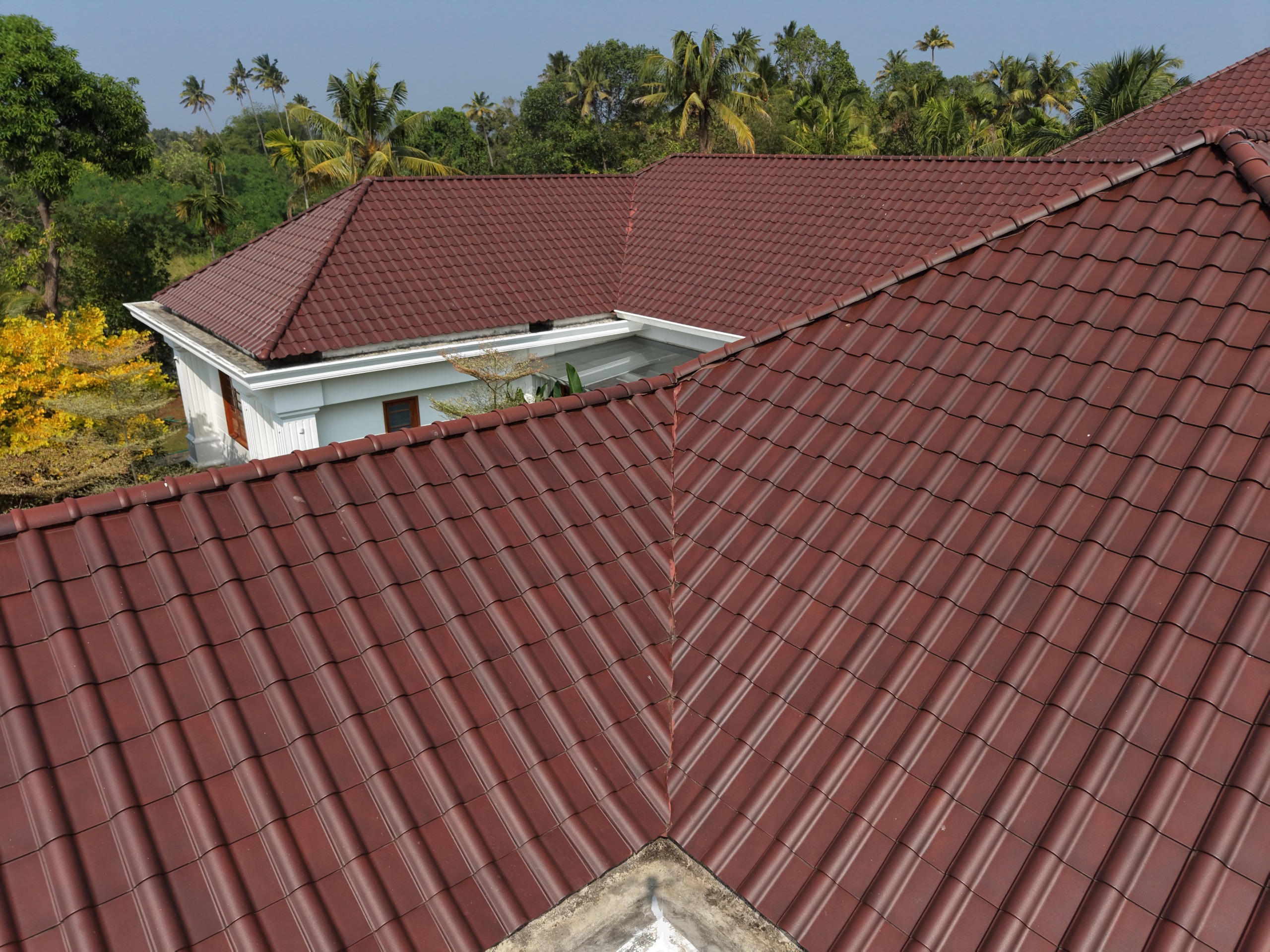
Compare quotations for the same roof area and the same scope of work.

This will help you understand the overall cost rather than choosing a product based only on its individual tile price.

Questions to Ask a Roof Tile Supplier Before Buying

A good supplier should be able to help you understand the product you are considering.

Before placing an order, ask these questions:

  1. What are the dimensions and weight of this tile?
  2. How many tiles are needed for my roof area?
  3. What is the recommended roof slope?
  4. Which fixing method and accessories are required?
  5. Are physical samples available?
  6. Can I get the product specifications?
  7. What are the applicable warranty terms, if any?
  8. Are matching replacement tiles available?
  9. What are the delivery conditions?
  10. What is included in the final quotation?

Getting these details before buying can make it easier to plan your roofing work and avoid confusion during installation.

Why Consider TAPCO Roof Tiles for Your Home?

TAPCO Tiles has over 46 years of experience in roofing and building materials.

Based in Choolissery, Thrissur, Kerala, TAPCO offers clay and ceramic roofing options for homeowners looking for different roof styles.

When selecting roofing tiles, you can compare the available designs, examine product samples and ask for details relevant to your home.

For example, if you prefer ceramic roofing, you can ask about the available Elbano options and their technical specifications.

The final selection should suit your house design, roof structure and budget.

Frequently Asked Questions

1. Which are the best roof tiles in Kerala?

The best roof tiles in Kerala depend on the house design, local weather and roofing requirements. Clay and ceramic roof tiles are both worth considering for sloping roofs, but the selected product must suit the structure and installation conditions.

2. Are ceramic roof tiles good for Kerala homes?

Ceramic roof tiles can be suitable for Kerala homes when the product and roofing system are properly selected. Check the recommended roof slope, fixing requirements, drainage and technical specifications before buying.

3. Which is better, clay or ceramic roof tiles?

Neither material is automatically better for every house. Clay tiles offer a natural, traditional appearance, while ceramic roof tiles provide different design and finish options depending on the product.

4. Which roof tiles are suitable for Kerala’s heavy rain?

Clay and ceramic roof tiles can both be considered for rainy conditions when installed according to their specifications. Proper roof slope, overlap, fixing and drainage are important for managing rainwater.

5. Do dark roof tiles make a house hotter?

Darker roofing surfaces may absorb more sunlight than lighter or more reflective surfaces. However, indoor heat also depends on insulation, ventilation and the complete roof design.

6. How many roof tiles are needed for a house?

The quantity depends on the roof area, tile dimensions, effective coverage and overlap. Ask your roofing contractor or supplier to calculate the quantity using the actual roof measurements and selected tile model.

7. Where can I buy roof tiles in Thrissur, Kerala?

You can contact TAPCO Roof Tiles at Medical College Road, opposite Star PVC Pipes, Kolangattukara, Choolissery, Thrissur 680541, Kerala. Contact the company to enquire about available clay and ceramic roof tiles and product information.

Conclusion

Choosing the best roof tiles in Kerala is not just about finding an attractive colour or design.

Take time to check the tile quality, roof slope, material weight, installation requirements and overall project cost.

Clay and ceramic roof tiles offer different possibilities for traditional houses and modern homes. The right option is one that suits your building and your practical requirements.

If you are planning a new roof or renovating an existing one, contact TAPCO Roof Tiles at 62877 77770 or visit tapcotiles.com to explore the available roofing options.

Why Proper Roof Drainage Matters During Kerala’s Monsoon

Kerala receives heavy rainfall during the monsoon season. While rain brings relief from the summer heat, it can also create problems for houses that do not have a proper roof drainage system.

Water collecting on the roof, overflowing gutters and rainwater entering through damaged areas are common concerns during heavy rainfall. If these problems are ignored, they may lead to damp walls, ceiling stains and damage to different parts of the building.

This is why proper roof drainage is important for every home, especially in areas that receive frequent rain.

A well-planned roof drainage system helps rainwater move away from the roof and building safely. It also supports the long-term performance of the roofing system.

What Is a Roof Drainage System?

A roof drainage system is designed to collect and direct rainwater away from the roof and building.

In most houses with sloping roofs, rainwater flows down the roof surface towards the edges. Gutters collect this water and downpipes carry it towards a suitable drainage point.

A typical roof drainage system includes:

  • Roof slope: Helps rainwater flow towards the roof edges.
  • Gutters: Collect rainwater coming down from the roof.
  • Downpipes: Carry collected water away from the roof.
  • Drainage outlets: Direct rainwater towards an appropriate discharge area.

All these parts need to work together.

Even if a house has good roofing materials, poor drainage planning can create problems during heavy rainfall.

Why Proper Roof Drainage Is Important During Kerala’s Monsoon

Kerala home with TAPCO Full Flat Red Dot roof tiles during monsoon

1. Helps Prevent Water Collection on the Roof

During heavy rainfall, a large amount of water falls on the roof within a short period.

If the roof does not have the required slope or the drainage outlets are blocked, water may collect in certain areas.

Even when using ceramic roof tiles in Kerala, proper roof slope and drainage are important during heavy rainfall.

Standing water can increase the risk of leakage, especially around joints, damaged roofing sections and poorly sealed areas.

A properly designed roof slope allows rainwater to move towards the drainage system without unnecessary water collection.

For tiled roofs, the required slope depends on the tile profile, roofing system and manufacturer’s installation guidelines.

2. Reduces the Risk of Roof Water Leakage

Roof leakage is one of the common problems homeowners face during the rainy season.

Water may enter through broken tiles, damaged flashing, poorly installed joints or areas where rainwater is unable to drain properly.

When rainwater does not flow away as intended, these weak points may become more vulnerable.

Proper drainage helps reduce unnecessary water accumulation, but it is not a replacement for correct roofing installation and waterproofing.

Homeowners should check both the roofing materials and drainage system before the monsoon begins.

3. Helps Protect Exterior Walls from Dampness

Rainwater overflowing from gutters can flow directly down the exterior walls.

Over time, repeated exposure to water may cause paint damage, stains and damp patches.

This is particularly important for homes in Kerala, where frequent rainfall and humid conditions can make moisture-related problems more difficult to manage.

Properly installed gutters and downpipes help direct water away from the walls and reduce unnecessary exposure to rainwater.

4. Helps Reduce Water Accumulation Around the Foundation

Roof drainage is not only about protecting the roof.

When rainwater falls directly near the base of a building, it may collect around the foundation if the surrounding ground does not drain properly.

Repeated water accumulation can create dampness and other moisture-related concerns.

Downpipes should discharge water into a suitable drainage arrangement that carries it away from the building.

The final discharge location should be planned according to the site conditions and local drainage requirements.

5. Supports the Long-Term Performance of Roofing Materials

Roofing materials are continuously exposed to sunlight, rain, wind and changing weather conditions.

A properly functioning drainage system helps reduce unnecessary water accumulation around roof edges, joints and other sensitive areas.

However, drainage alone cannot determine the lifespan of a roof. The quality of the roofing materials, roof design, installation and regular maintenance are also important.

When selecting roof tiles in India, homeowners should consider the roofing system as a whole rather than focusing only on the appearance of the tiles.

Common Roof Drainage Problems in Kerala Homes

Even a well-designed drainage system can develop problems when it is not maintained properly.

Here are some common issues homeowners should watch for.

Blocked Gutters

Leaves, dust, small branches and other debris can collect inside roof gutters.

When the gutters become blocked, rainwater may overflow instead of flowing towards the downpipes.

This is especially common in houses surrounded by trees.

Cleaning gutters before the rainy season can help prevent this problem.

Incorrect Roof Slope

The slope of a roof plays an important role in rainwater drainage.

If the slope is unsuitable for the selected roofing material, water may not drain as expected.

For tiled roofs, the slope should follow the requirements of the tile profile and installation system.

A roofing professional should check the design before installation.

Damaged or Misaligned Roof Tiles

Broken, displaced or poorly aligned roof tiles can allow rainwater to enter vulnerable areas of the roof.

Strong winds and improper installation may also affect tile positioning.

Inspecting the roof and replacing damaged tiles when necessary can help reduce leakage risks.

Damaged Gutters and Downpipes

Cracked gutters, loose joints and damaged downpipes can interrupt the normal flow of rainwater.

Water may leak from these areas and fall directly onto walls or near the foundation.

Regular inspection helps identify these problems before they become more serious.

How to Improve Roof Drainage Before the Monsoon

Preparing the roof before heavy rainfall can help homeowners avoid many common drainage problems.

1. Clean the Gutters and Downpipes

Remove leaves, dirt and other debris from the gutters.

Check whether water can pass freely through the downpipes and reach the intended drainage outlet.

2. Inspect the Roof Tiles

Look for visible cracks, broken tiles and displaced roofing sections.

Damaged tiles should be repaired or replaced using suitable materials and installation methods.

Avoid walking directly on a tiled roof without proper safety equipment and professional guidance.

3. Check Roof Joints and Flashing

Areas around chimneys, walls, valleys and other roof openings need proper detailing.

Damaged flashing or poorly sealed joints can allow rainwater to enter the building.

These areas should be inspected by an experienced roofing professional.

4. Check the Roof Slope and Drainage Design

If rainwater regularly collects on the roof, the slope or drainage arrangement may need professional assessment.

Do not attempt major roof modifications without checking the structural and roofing requirements.

5. Make Sure Water Flows Away from the Building

Check where the downpipes discharge rainwater.

Water should be directed towards a suitable drainage point rather than allowed to collect near the foundation.

Choosing the Right Roofing Tiles for Kerala’s Rainy Climate

Roof drainage and roofing material selection should be planned together.

Kerala’s monsoon conditions make it important to choose roofing materials that are suitable for the building design, roof slope and local weather.

When selecting roofing tiles, homeowners should consider the tile profile, installation requirements, fixing methods and compatibility with the roof structure.

Clay and ceramic roof tiles are commonly considered for sloping roof designs. However, their suitability depends on the specific product and the way the roofing system is designed and installed.

If you are planning a new house or replacing an existing tiled roof, you can explore TAPCO’s roof tile collection to understand the available designs and roofing options.

It is also important to discuss the roof slope, drainage arrangement and installation requirements with a qualified roofing professional before making the final decision.

How Often Should Roof Drainage Be Checked?

Roof drainage should be inspected regularly, particularly before the monsoon season.

Homes surrounded by trees may need more frequent gutter cleaning because leaves and debris can collect quickly.

It is also useful to check the drainage system after periods of heavy rain or strong winds.

If you notice overflowing gutters, water stains, damp patches or repeated leakage, arrange an inspection instead of waiting for the problem to become more serious.

A simple maintenance routine can help identify drainage issues early and reduce the risk of costly repairs.

Frequently Asked Questions

1. Why is roof drainage important in Kerala?

Kerala receives heavy seasonal rainfall. Proper roof drainage helps rainwater flow away from the roof and building, reducing the risk of water accumulation, overflowing gutters and moisture-related damage.

2. What causes poor roof drainage?

Blocked gutters, damaged downpipes, unsuitable roof slopes and poor drainage planning are some common causes of roof drainage problems.

3. Can poor roof drainage cause water leakage?

Yes. Poor drainage can contribute to water accumulation and increase leakage risks around damaged tiles, joints and other vulnerable roof areas. However, leakage can also result from installation defects and damaged roofing components.

4. How can I improve roof drainage during the monsoon?

Clean the gutters, inspect downpipes, check roof tiles and ensure that rainwater is directed away from the building. Seek professional advice if you notice repeated water collection or leakage.

5. Do tiled roofs need gutters?

Gutters are commonly used on tiled roofs to collect rainwater and direct it towards downpipes. The need for gutters and their design depends on the roof layout, site conditions and drainage requirements.

Conclusion

Proper roof drainage is an important part of protecting a home during Kerala’s monsoon season.

A well-planned drainage system helps rainwater flow away from the roof, reduces unnecessary water accumulation and helps protect walls and other parts of the building from moisture-related problems.

Regular gutter cleaning, roof inspections and timely repairs can make a difference during periods of heavy rainfall.

Whether you are building a new home or renovating an existing one, make sure the roof design, roofing materials and drainage system are planned together.

For homeowners exploring roofing options, TAPCO offers a range of roof tile designs suitable for different architectural preferences. Visit the TAPCO website to learn more about the available roofing products.

What Makes a Good Quality Roof Tile? Things Every Homeowner Should Know

When building a new house, most homeowners spend a lot of time choosing flooring, wall colours, doors and windows. But the roof is just as important.

A roof protects your home from sunlight, rain and changing weather conditions. It also plays a major role in how your house looks. That is why choosing good quality roof tiles is an important decision.

Today, different types of roofing tiles are available in the market. They come in various colours, designs and finishes. With so many options, it can be difficult to understand which one is right for your home.

A roof tile may look beautiful in a showroom, but appearance alone does not tell you everything about its quality.

Here are some important things every homeowner should know before buying roof tiles.

1. Quality of the Raw Materials

The quality of a roof tile starts with the materials used to manufacture it.

Roofing tiles are made using different materials, including clay and ceramic compositions. The quality of these materials and the manufacturing process can affect the strength, finish and overall performance of the final product.

For example, ceramic roof tiles are manufactured using selected raw materials and controlled firing processes to achieve the required properties.

Before choosing a roof tile, try to understand what material is used and whether the product is suitable for your building.

Instead of selecting a tile only because it looks attractive, ask the supplier about its material, manufacturing process and product specifications.

2. Strength and Durability

A good quality roof tile should be strong enough to perform under the conditions for which it is designed.

Roofing tiles are exposed to sunlight, rain, wind and temperature changes throughout the year. In Kerala, heavy monsoon rainfall makes it even more important to choose suitable roofing materials.

The strength of a roof tile depends on its material, manufacturing quality, shape and installation.

When comparing products, ask the supplier whether the manufacturer provides information about tile strength and relevant quality testing.

It is also important to understand that even a strong roof tile needs proper installation.

The roof structure, support spacing and fixing method should follow the manufacturer’s recommendations.

3. Water Resistance

Water resistance is another important factor to consider when choosing roofing tiles.

During the monsoon season, a roof may be exposed to continuous rainfall for several hours. Roofing tiles should have water absorption and performance characteristics suitable for their intended use.

However, choosing a water-resistant tile alone is not enough.

The roof slope, tile overlap, flashing and proper installation also play an important role in preventing rainwater from entering the building.

Before buying, ask about the product’s water absorption characteristics and recommended installation method.

A good roofing system depends on both suitable materials and correct installation.

4. Proper Shape and Dimensions

Roof tiles are designed with specific shapes and dimensions to suit different roofing systems.

A good quality tile should have consistent dimensions and a profile that allows it to be installed correctly.

If tiles have noticeable differences in shape or size beyond the permitted manufacturing tolerances, installation may become difficult.

This can affect the alignment and overall appearance of the roof.

When checking roof tile samples, look at their edges, surface and profile.

Also, ask the supplier about the recommended laying pattern and whether the selected tile is suitable for your roof slope.

5. Colour and Surface Finish

The roof is one of the most visible parts of a house. Choosing the right colour and finish can make a big difference to its overall appearance.

Today, homeowners can choose from different roof tile colours, including terracotta, brown, grey and black.

However, colour selection should not be based only on appearance.

Check whether the product has a consistent finish and ask the manufacturer about its surface characteristics.

Some roofing tiles have a glossy finish, while others have a matt finish. The appearance of these finishes can change depending on sunlight and viewing angle.

If you are choosing roof tiles for a modern home, compare the tile samples with your exterior wall colour, window frames and other architectural details.

A suitable colour combination can help the roof blend naturally with the overall house design.

6. Suitable for Local Weather Conditions

Rockshield Bendflat Coffee Glossy Roof Tiles installed on a residential house in Kerala

India has different climatic conditions, and roofing requirements can vary from one place to another.

For example, a house in Kerala experiences heavy seasonal rainfall and high humidity, while a house in a hotter, drier region may face different weather conditions.

When choosing ceramic roof tiles in Kerala, homeowners should consider the heavy monsoon rainfall, humidity and overall roof design. Along with the quality of the tiles, proper roof slope, fixing and installation are important for long-term performance.

For homes in Kerala, some important factors to consider are:

  • Suitability for heavy rainfall
  • Recommended roof slope
  • Proper tile overlap and fixing
  • Compatibility with the roof structure
  • Maintenance requirements

The right roofing product should be selected based on the building’s requirements rather than appearance alone.

If you are planning a new home, you can explore the roof tile options available from TAPCO to understand the different designs and roofing materials.

7. Manufacturing Quality and Testing

Roof tiles may look similar from the outside, but their manufacturing processes and quality controls can differ.

Manufacturing quality is important because it can affect the consistency and performance of the finished product.

Before selecting a roofing tile, ask the manufacturer or supplier about the quality checks carried out during production.

Depending on the roofing material and applicable standards, these may include checks related to:

  • Dimensions and shape
  • Water absorption
  • Strength
  • Surface finish
  • Visible defects

It is always better to compare products using relevant technical information rather than relying only on promotional claims.

A reliable supplier should be able to explain the product’s specifications and intended application.

8. Easy Maintenance and Replacement

Every roof requires some level of maintenance.

Leaves, dust, moss and other deposits may collect on a roof over time, especially in areas with trees and regular rainfall.

The maintenance requirements depend on the roofing material, roof design, surroundings and installation.

Before choosing roof tiles, ask how they should be cleaned and maintained.

You should also check whether individual damaged tiles can be replaced and whether matching products are likely to be available when needed.

Regular roof inspections and timely maintenance can help identify small problems before they become more serious.

For safety, roof inspection and repair work should be handled by trained professionals.

9. Choose the Right Roof Tile Design

Roof tiles are available in different profiles, colours and finishes.

Some designs are suitable for traditional Kerala houses, while others can complement contemporary villas and modern residential buildings.

When selecting a design, consider the shape of the roof, architectural style and exterior colour combination.

A roof tile should not be chosen only because it looks attractive in a photograph.

Check whether the profile is suitable for your roof slope, support structure and installation requirements.

Homeowners interested in ceramic roofing can explore the available ceramic roof tile options and compare them based on their house design.

The final choice should balance appearance, product suitability and practical requirements.

10. Compare Quality, Not Just Price

Price is an important factor when building a house. However, selecting the cheapest roof tile without checking its quality may not always be the right decision.

Two roofing products may have different prices because of their materials, manufacturing processes, finishes and specifications.

When comparing roof tiles, consider the overall roofing cost rather than the price of one tile alone.

This includes the cost of tiles, supporting materials, accessories, installation and future maintenance.

Ask for a clear quotation and understand what is included.

A well-informed decision can help you choose a roofing solution that suits your budget and building requirements.

What Should You Check Before Buying Roof Tiles?

Before finalising your roofing tiles, ask the supplier a few simple questions.

  1. What material is used to manufacture the roof tile?
  2. Is the tile suitable for the climate in my area?
  3. What roof slope is recommended for this product?
  4. Are relevant quality test results or specifications available?
  5. What installation method should be followed?
  6. What maintenance does the roofing system require?
  7. Are matching accessories and replacement tiles available?

Getting clear answers to these questions can make the selection process easier.

Why Choosing the Right Roofing Brand Matters

TAPCO Potro Red Ceramic Roof Tiles installed on a residential home in Kerala

A roofing brand should offer more than attractive designs.

Product information, suitable roofing options, installation guidance and customer support are also important when making a purchase.

If you are looking for ceramic roof tiles in Kerala, it is important to compare the available designs, finishes and product specifications before making a decision. Choosing a suitable roofing tile can help you achieve the appearance you want while meeting your home’s practical roofing requirements.

TAPCO offers a range of roofing solutions for different architectural styles and building requirements.

Whether you are constructing a traditional Kerala home or a modern villa, it is worth comparing the available tile profiles, colours and specifications before making your final decision.

You can visit the TAPCO website to explore the roofing range or find a nearby location through the TAPCO showroom and outlet page.

Frequently Asked Questions

1. How can I identify a good quality roof tile?

Check the tile’s material, dimensions, finish and product specifications. Ask the manufacturer about relevant quality testing, water absorption and recommended installation requirements. Do not judge quality by appearance alone.

2. Are ceramic roof tiles suitable for Indian homes?

Ceramic roof tiles can be suitable for Indian homes when the selected product matches the building design, local climate and installation requirements. Always check the manufacturer’s specifications before making a decision.

3. What is important when choosing roof tiles for Kerala homes?

For Kerala homes, consider rainfall, roof slope, water resistance, fixing methods and maintenance requirements. Proper roof design and installation are just as important as the roofing material.

4. Does roof tile colour affect its quality?

Colour alone does not determine the quality of a roof tile. Material properties, manufacturing quality, surface finish and relevant performance characteristics are more useful factors to consider.

5. Should I choose roof tiles based on price or quality?

Both are important. Compare the product specifications, installation requirements, accessories and overall roofing cost before making a decision. The lowest initial price may not always offer the best overall value.

Conclusion

Choosing good quality roof tiles is an important part of building a home.

While colour and design can improve the appearance of your house, factors such as material quality, strength, water resistance, dimensions and proper installation also need attention.

Before buying, take time to compare products, understand their specifications and discuss your roofing requirements with an experienced professional.

A good roofing decision starts with choosing a product that suits your home, local weather conditions and budget.

Periyar Pavilion, Aluva – A Completed Roofing Project by TAPCO

A well-designed roof can make a big difference to the overall appearance of a building. It is not only an important part of the structure but also one of the first things people notice.

The completed Periyar Pavilion roofing project in Aluva, Ernakulam, is a good example of how the right roofing material can complement a building’s architecture and surroundings.

For this project, TAPCO Shielder Tri-Secure Red Dot Elbano Roof Tiles were used across a roofing area of 5,200 sq. ft., creating a neat and attractive roof that suits the pavilion’s design.

Surrounded by greenery, Periyar Pavilion brings together a traditional sloping roof design and a simple architectural finish.

Project Overview

  • Project Name: Periyar Pavilion
  • Location: Aluva, Ernakulam, Kerala
  • Project Type: Community Pavilion
  • Roofing Area: 5,200 Sq. Ft.
  • Roofing Product: TAPCO Shielder Tri-Secure Red Dot Elbano
  • Project Status: Completed

A Roofing Design That Complements the Building

Periyar Pavilion features a large sloping roof that forms an important part of its architectural appearance.

The roof has a clean, symmetrical design, with the Red Dot Elbano tiles creating a uniform pattern across the surface. The reddish terracotta-inspired colour blends naturally with the surrounding trees and greenery.

The building also features wooden-toned exterior elements, which complement the roof colour and give the pavilion a warm, welcoming appearance.

From the front, the roof creates a strong visual impression, while the aerial view highlights the neat tile arrangement and overall roof design.

TAPCO Shielder Tri-Secure Red Dot Elbano Roof Tiles

Aerial view of TAPCO Shielder Tri-Secure Red Dot Elbano roof tiles at Periyar Pavilion, Aluva

The roofing material selected for this project is TAPCO Shielder Tri-Secure Red Dot Elbano.

Its distinctive colour and tile profile complement the pavilion’s sloping roof and architectural style.

One of the most noticeable features of the completed project is the consistent appearance of the roofing tiles. The regular tile pattern creates a clean finish across the large roof area, showing how Ceramic Roof Tiles in Kerala can enhance the overall look of a building.

The Red Dot Elbano shade also works well with the natural surroundings, making it a suitable visual choice for this project.

Homeowners, architects and builders looking for different roofing styles can explore the TAPCO roof tile collection to learn more about the available designs and options.

5,200 Sq. Ft. of Completed Roofing

Completed 5,200 sq. ft. roofing project at Periyar Pavilion, Aluva, using TAPCO Shielder Tri-Secure Red Dot Elbano roof tiles.

With a roofing area of 5,200 sq. ft., Periyar Pavilion is a substantial completed roofing project.

For a roof of this size, the choice of tile colour, profile and overall arrangement plays an important role in the final appearance. This project shows how Ceramic Roof Tiles in Kerala can complement the design of large buildings.

The completed roof shows a consistent pattern across the main sloping sections, with clearly defined ridge lines and neatly arranged roofing tiles.

The aerial photographs provide a clear view of how the roof design comes together across the building.

The result is a roofing finish that complements the scale and character of Periyar Pavilion.

A Roof That Blends with the Natural Surroundings

One of the attractive features of Periyar Pavilion is its setting.

The building is surrounded by tall trees, palms and other greenery, creating a peaceful atmosphere.

The warm reddish colour of the roof tiles provides a natural contrast against the green landscape. At the same time, the sloping roof and wooden-toned exterior details give the building a traditional character.

This combination shows how roofing materials can contribute to the overall architectural appearance of a community space.

Rather than standing apart from the surroundings, the roof becomes a natural part of the building’s design.

Choosing the Right Roof Tiles for Different Projects

Every building has its own roofing requirements.

A residential home, community pavilion, commercial building or public space may need a different roofing design depending on its architecture, roof structure and intended use.

When selecting roofing tiles, it is important to consider the roof slope, tile profile, colour, installation requirements and suitability for the local climate.

For projects in Kerala, rainfall and drainage planning are also important considerations.

The Periyar Pavilion project highlights the visual importance of selecting a roofing product that suits the building’s architectural style.

Those planning a new roofing project can explore the available TAPCO roofing solutions and compare different products based on their building requirements.

TAPCO Roofing for Residential and Community Projects

Roofing plays an important role in both residential and community buildings.

For homes, the roof contributes to the building’s appearance and provides protection from the weather. For community spaces, it also forms an important part of the building’s overall design and character.

The completed Periyar Pavilion project in Aluva adds to TAPCO’s portfolio of roofing applications across different building types.

With 5,200 sq. ft. of TAPCO Shielder Tri-Secure Red Dot Elbano Roof Tiles, the project showcases a large sloping roof with a neat finish and a colour that complements its surroundings.

Conclusion

The completed Periyar Pavilion roofing project in Aluva shows how roofing materials can enhance the appearance of a building.

The combination of a well-planned sloping roof, the Red Dot Elbano colour and the surrounding greenery gives the pavilion a distinctive architectural character.

Featuring 5,200 sq. ft. of TAPCO Shielder Tri-Secure Red Dot Elbano Roof Tiles, this project is another example of TAPCO roofing used in a community building.

If you are planning a new home, renovation or building project, explore the TAPCO roof tile range to find roofing options that suit your design and requirements.

What Makes a Good Quality Ceramic Roof Tile?

Choosing roof tiles is an important part of building a home. The roof protects the house from sun and rain, but it also plays a major role in how the building looks. With different types, colours and designs available in the market, selecting the right roofing tile can sometimes be confusing.

When buying ceramic roof tiles, many homeowners first look at the colour and design. While appearance is important, there are other factors that should be checked before making a decision.

A good quality ceramic roof tile should have suitable material properties, a consistent finish and the strength required for its intended use. When choosing Ceramic Roof Tiles in Kerala, understanding these factors can help homeowners select the right roofing tiles with more confidence.

1. Quality of the Raw Materials

The quality of a ceramic roof tile starts with the materials used to manufacture it.

Ceramic roof tiles are generally made using prepared clay-based materials. The clay is shaped into the required tile profile and fired at high temperatures to produce the finished roofing product.

The type of clay, preparation process and manufacturing conditions can influence the properties of the final tile.

A well-manufactured tile should have a properly formed body without visible cracks or major defects. The quality of the raw materials and the consistency of the manufacturing process are important factors when comparing ceramic roofing products.

2. Proper Manufacturing and Firing Process

The manufacturing process plays an important role in determining the quality of ceramic roof tiles.

During production, the prepared material is shaped, dried and fired under controlled conditions. Proper firing helps the tile develop its required physical properties.

If the manufacturing process is not properly controlled, the finished tiles may show defects such as cracks, warping or variations in dimensions.

When comparing roofing products, it is useful to choose tiles from a manufacturer that follows suitable quality control procedures.

The appearance of a tile alone cannot confirm its manufacturing quality. Product specifications and relevant test results can provide more useful information.

3. Strength and Resistance to Damage

Roof tiles need to withstand normal handling, installation and the conditions they face after installation.

A good quality ceramic roof tile should have sufficient mechanical strength for its intended roofing application.

However, strength cannot be judged simply by looking at the thickness or weight of a tile. Different tile profiles may have different design requirements.

When selecting roof tiles, homeowners should check the manufacturer’s product specifications and any available strength test results.

Proper transportation, storage and installation are also important because even a good quality tile can be damaged by incorrect handling.

4. Water Absorption and Weather Suitability

Kerala house with red ceramic terracotta roof tiles surrounded by greenery

Water absorption is another important factor to consider when choosing ceramic roof tiles.

During the monsoon, roofing materials are exposed to frequent rain and changing weather conditions. This makes product suitability especially important for homes in Kerala.

Water absorption refers to the amount of water a tile can absorb under specified testing conditions. The acceptable value depends on the product type and the applicable standard.

Lower water absorption is not the only factor that determines roofing performance. Roof slope, overlapping tile design, underlay where required, drainage and installation quality also play important roles.

When comparing Ceramic Roof Tiles in Kerala, homeowners should review the product’s technical details and confirm that the selected tile is suitable for the local climate and planned roof design.

5. Consistent Colour and Surface Finish

The colour and finish of ceramic roof tiles have a direct impact on the appearance of a house.

Roofing tiles are available in different shades and finishes to suit traditional and modern architectural styles. Some homeowners prefer classic terracotta shades, while others choose grey, black or brown for a contemporary appearance.

A good quality tile should have a finish that meets the manufacturer’s stated specifications. It is also important to understand that minor shade variations may occur depending on the product and manufacturing process.

When comparing tiles, check the surface for unexpected defects and examine multiple samples rather than relying on a single piece.

If you are choosing a glazed ceramic roof tile, ask about the glaze finish and the product’s available performance information.

Colour selection should always be based on actual samples whenever possible, as photographs and digital screens may not show the exact shade.

6. Proper Tile Shape and Dimensions

The shape and dimensions of roof tiles are important for both appearance and installation.

Roof tiles are designed with specific profiles, sizes and overlapping arrangements. These features help determine how the tiles fit together on the roof.

If the dimensions are inconsistent beyond the manufacturer’s permitted tolerances, it may affect alignment and installation.

Before buying ceramic roof tiles, check whether the product is suitable for the planned roof slope and supporting structure.

It is also important to follow the manufacturer’s recommended installation method rather than assuming that every roofing tile can be installed in the same way.

7. Suitable Roof Tile Design

The design of the roof tile should match the architectural style of the house.

For traditional Kerala homes, roofing tiles with classic profiles and earthy colours may complement sloping roofs and wooden architectural details.

Modern homes may use different tile profiles, neutral colours and simple exterior finishes to create a contemporary appearance.

However, the tile design should not be selected based on appearance alone. The profile must also be suitable for the roof structure, slope and installation requirements.

Homeowners can explore the available TAPCO roof tile collection to compare different roofing options before making a final decision.

8. Quality Control and Product Information

One of the best ways to compare ceramic roof tiles is to review the information provided by the manufacturer.

A reliable product selection process should include checking the tile’s technical specifications, recommended applications and installation instructions.

Important details may include:

  • Tile dimensions and profile
  • Weight and coverage information
  • Water absorption test results, where available
  • Mechanical strength test results, where available
  • Recommended roof slope
  • Installation requirements
  • Product warranty terms, if applicable

These details can help homeowners, architects and roofing contractors make a more informed decision.

Instead of depending only on advertisements or appearance, ask for product information that supports the claims being made.

9. Correct Installation Is Equally Important

Even good quality ceramic roof tiles need proper installation to perform as intended.

The roof slope, supporting structure, tile alignment, overlaps and fixing methods should follow the manufacturer’s recommendations.

Incorrect installation may create problems such as water entry, tile movement or damage during heavy weather.

For this reason, homeowners should work with roofing professionals who understand the requirements of the selected roofing system.

It is also useful to discuss ventilation, drainage, ridge details and other important roof components before starting installation.

A properly planned roofing system combines suitable materials with correct installation practices.

10. Things to Check Before Buying Ceramic Roof Tiles

Before finalising ceramic roof tiles for your home, take some time to compare the available products.

Start by checking the material quality, tile profile, surface finish and product specifications. Ask whether the tile is suitable for your roof design and the weather conditions in your area.

You should also compare actual tile samples, understand the installation requirements and check the manufacturer’s warranty information, if provided.

Do not make a decision based only on price or colour. A roofing tile is part of a complete roofing system, and choosing the right product requires attention to both appearance and practical requirements.

If you are planning a new house or replacing an existing roof, you can explore TAPCO ceramic roof tile options to understand the available designs and finishes.

Frequently Asked Questions

1. How can I identify good quality ceramic roof tiles?

Check the tile’s material, surface finish, shape and dimensions. You should also review the manufacturer’s specifications, relevant test results and installation recommendations. Appearance alone is not enough to confirm product quality.

2. Are ceramic roof tiles suitable for Kerala’s climate?

Ceramic roof tiles can be suitable for homes in Kerala when the selected product and complete roofing system are designed and installed for local weather conditions. Proper roof slope, drainage and installation are important, especially during the monsoon.

3. Does the thickness of a ceramic roof tile determine its quality?

Not necessarily. Tile strength and performance depend on several factors, including material composition, manufacturing process, profile and design. Thickness alone should not be used to judge quality.

4. What should I check before buying ceramic roof tiles?

Check the tile dimensions, profile, surface finish, technical specifications, recommended roof slope and installation requirements. Comparing physical samples and discussing the product with a roofing professional can also help.

5. Do ceramic roof tiles require maintenance?

Yes. Like other roofing materials, ceramic roof tiles benefit from periodic inspection and suitable maintenance. Homeowners should check for damaged or displaced tiles, debris accumulation and drainage problems, especially before and after the monsoon.

Conclusion

A good quality ceramic roof tile is not defined by colour or appearance alone. The materials used, manufacturing process, strength, water absorption, surface finish and dimensional accuracy all deserve attention.

For homeowners, the best approach is to compare products carefully, understand their specifications and select a roofing system that suits the house design and local weather conditions.

Proper installation is just as important as selecting the right tile.

If you are planning a new home or renovating an existing roof, explore the roofing options available from TAPCO Roof Tiles and choose a design that suits your home’s appearance and roofing requirements.