
Yes, cool roof tiles can help reduce heat in Kerala homes by reflecting more sunlight and allowing the roof surface to release absorbed heat. This can reduce the amount of heat entering the house, especially during sunny weather. However, the actual cooling effect depends on the roofing material, roof design, insulation and ventilation.
What Are Cool Roof Tiles?
During summer, many homeowners in Kerala notice that upstairs rooms become warmer in the afternoon. One reason is that the roof receives direct sunlight for several hours.
When a roof absorbs heat, some of that heat can pass into the building. This is where cool roof tiles may help.
Cool roof tiles are roofing tiles designed to absorb less solar heat than conventional roofing surfaces. They do this mainly by reflecting sunlight and releasing absorbed heat.
The term cool roof does not refer to one particular tile material or colour. It describes how a roofing surface performs in sunlight.
To learn more about the category, you can explore TAPCO’s cool roof tiles in India page.
How Do Cool Roof Tiles Reduce Heat?
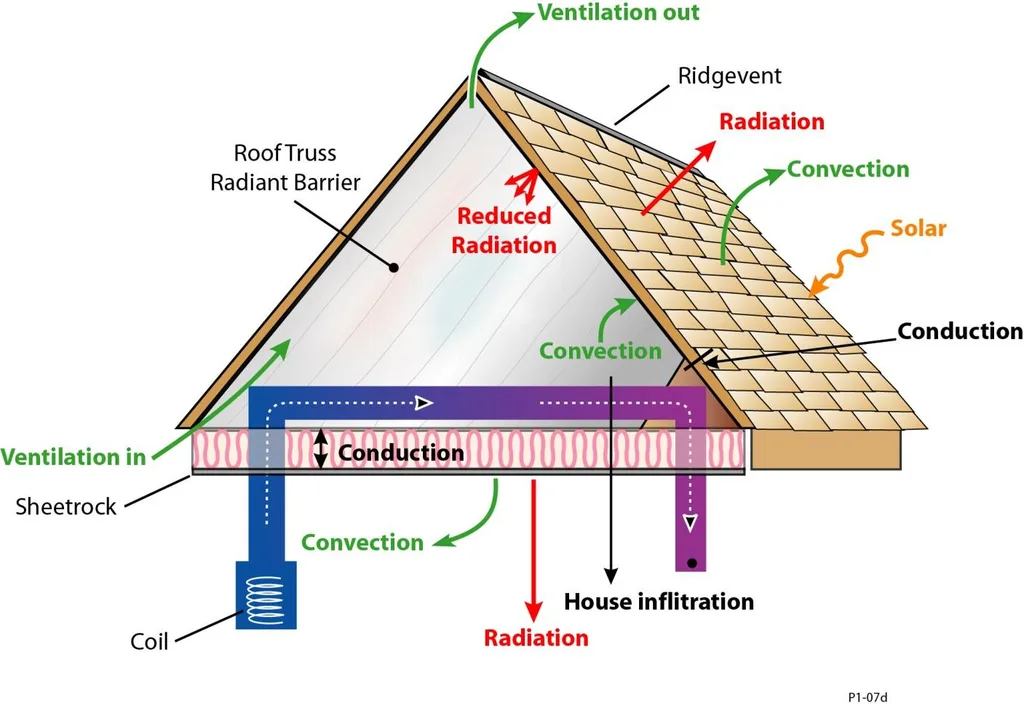
Cool roofing works mainly through two properties.
1. Solar Reflectance
Solar reflectance means how much sunlight a surface reflects instead of absorbing.
A roof with higher solar reflectance generally absorbs less heat from the sun. This can help keep the roof surface cooler during hot weather.
Light-coloured roofing surfaces often reflect more sunlight than dark surfaces. However, colour alone does not tell you exactly how a tile will perform.
Some specially developed dark roofing finishes can also reflect part of the sun’s energy.
2. Thermal Emittance
Thermal emittance means how effectively a surface releases the heat it has absorbed.
A roofing surface with suitable thermal emittance can release absorbed heat more effectively.
Both solar reflectance and thermal emittance are important when comparing cool roofing materials.
The US Environmental Protection Agency explains how these properties help reduce roof temperatures and the amount of heat entering buildings.
Do Cool Roof Tiles Actually Keep Kerala Homes Cooler?
They can help, but the difference will not be the same for every house.
Consider a home with bedrooms directly below a sloping tiled roof. During a sunny afternoon, the roof becomes warm as it receives sunlight. If the roofing surface absorbs less heat, the amount of heat passing through the roof may also be reduced.
This can support better indoor comfort.
However, a house with poor roof ventilation or an uninsulated ceiling may still become warm, even when reflective roof tiles are used.
Similarly, a well-insulated house may experience a smaller additional benefit from changing the roof colour or surface.
This is why homeowners should not expect one type of roof tile to solve every heat-related problem.
Cool Roof Tiles vs Regular Roof Tiles: What Is the Difference?
Not every roofing tile is designed or tested for cooling performance.
The following comparison can help you understand the main differences.
| Feature | Tested Cool Roof Tiles | Regular Roof Tiles |
|---|---|---|
| Solar heat absorption | Designed to reduce absorption | Depends on material, colour and finish |
| Sunlight reflection | Reflective performance can be measured | May be high or low depending on the product |
| Roof surface temperature | May remain cooler in sunlight | Depends on the surface properties |
| Indoor cooling benefit | Can help reduce heat entering the building | Depends on the tile and complete roof |
| Product selection | Check reflectance and emittance data | Check relevant product specifications |
The important difference is not simply the word cool in the product name. It is the actual performance of the roofing surface.
Are Ceramic and Clay Roof Tiles Good for Reducing Heat?
Ceramic and clay roof tiles are commonly considered for traditional and modern Kerala homes.
Both materials can be used in sloping roof designs, but their cooling performance depends on the particular product.
Ceramic Roof Tiles

Ceramic Roof Tiles
Ceramic roof tiles in Kerala are available in different colours, profiles and finishes to suit various house designs.
When choosing ceramic roof tiles for Kerala’s warm climate, check the surface colour and whether the manufacturer provides solar reflectance or thermal performance information.
Ceramic roof tiles should not automatically be described as cool roof tiles without suitable evidence.
Homeowners can explore different ceramic roof tiles and compare the available options based on their house design and roofing needs.
Clay Roof Tiles

Clay roofing tiles in Kerala are a popular choice for homes and traditional buildings because of their natural appearance.
However, different clay roof tiles can have different surface colours, finishes and heat-related properties.
The material alone does not determine how much heat a roof will absorb. Product specifications and the overall roof design also play an important role.
What Affects the Cooling Performance of Roof Tiles in Kerala?
Several factors influence how effectively a roof manages heat.
Roof Colour and Finish
The colour and finish can affect how much sunlight a roof absorbs.
Lighter shades are worth considering when reducing solar heat absorption is a priority. If you prefer darker roof tiles, ask whether the product has any tested reflective properties.
Roof Insulation
Insulation is a material or layer used to slow the movement of heat.
Proper roof or ceiling insulation can help reduce the amount of heat passing into living spaces.
Cool roofing and insulation perform different functions, and they can work together.
Roof Ventilation
Ventilation helps warm air escape from suitable spaces below the roof.
For Kerala homes with sloping roofs, a properly designed ventilated roof space may help manage heat buildup.
The ventilation arrangement should also prevent unwanted rainwater entry during the monsoon.
House Design and Surroundings
Two houses with the same roof tiles may feel different inside.
The amount of direct sunlight, ceiling height, window placement, surrounding trees and room ventilation can all affect indoor temperature.
A house with natural shade may have different cooling needs from a house exposed to strong afternoon sunlight.
Roof Maintenance
Kerala’s humid weather can encourage moss and algae growth on some roof surfaces.
Dirt, staining and biological growth may change the appearance and reflective properties of a roof over time.
Regular inspection and cleaning according to the manufacturer’s instructions can help maintain the roofing surface.
Can Cool Roof Tiles Reduce Electricity Bills?
Cool roof tiles may help reduce the amount of heat entering a building. In some air-conditioned homes, this can reduce the cooling required to maintain a comfortable indoor temperature.
However, electricity savings depend on several factors, including air-conditioner usage, insulation, house size and weather conditions.
A homeowner who rarely uses air conditioning may notice a different benefit from someone who runs an air conditioner throughout the afternoon.
It would not be accurate to promise a fixed saving without studying the particular building.
The main point is that cool roofing can contribute to a better heat-management plan, but it should not be treated as a guaranteed method of reducing electricity bills.
Are Cool Roof Tiles Suitable for Kerala’s Monsoon Climate?
When choosing roofing materials in Kerala, heat reduction is only one consideration.
The roof must also be suitable for heavy seasonal rainfall, humid weather and the building’s architectural design.
Before finalising a tile, check the recommended roof slope, tile overlap, fixing arrangement and drainage requirements.
In rainy areas, suitable roof detailing and water drainage are essential, whatever colour or finish you select.
If you are exploring roofing options, visit the TAPCO roof tile collection to review the available designs.
Discuss the selected roofing system with your architect or roofing professional before installation.
How to Choose Cool Roof Tiles for Your Home
If reducing heat is an important part of your roofing plan, avoid choosing tiles only by appearance.
Here are a few useful checks before buying:
- Ask whether the tile has tested solar reflectance and thermal emittance values.
- Compare the available colours and finishes in natural daylight.
- Check whether the roofing product is suitable for your roof slope and design.
- Discuss insulation and ventilation with your architect.
- Ask about cleaning and maintenance requirements.
- Review the roofing product’s technical specifications rather than depending only on marketing claims.
For a new house, these decisions are easier to make during the roof-planning stage.
If you already have a tiled roof, get the existing roof checked before making major changes. Improving ventilation or insulation may sometimes be worth considering before replacing roofing materials.
Frequently Asked Questions
1. Do cool roof tiles really reduce heat in Kerala homes?
Yes, roofing surfaces with suitable reflective and heat-releasing properties can reduce solar heat absorption. However, the actual difference inside a house depends on its insulation, ventilation and overall design.
2. Which roof tile colour is suitable for reducing heat?
Light-coloured roof tiles often reflect more sunlight than darker tiles. However, some dark roofing products also use reflective finishes, so it is better to compare tested specifications rather than colour alone.
3. Are ceramic roof tiles cooler than metal roofing sheets?
There is no single answer for every product. Heat transfer depends on the roofing material, surface finish, insulation and roof construction, so the complete roofing system should be compared.
4. How much temperature reduction can cool roof tiles provide?
There is no fixed temperature reduction that applies to every Kerala home. The result depends on the roofing product, sunlight exposure, insulation, ventilation and building design.
5. Can cool roof tiles reduce air-conditioner usage?
They may help reduce cooling requirements by limiting the heat entering the building. Actual electricity savings depend on the house and how the air conditioner is used.
6. Are cool roof tiles suitable for rainy areas in Kerala?
They can be considered, provided the selected roofing product is suitable for the roof design and local weather conditions. Proper slope, installation, fixing and drainage are important during the monsoon.
7. Should I replace my existing roof tiles to reduce heat?
Not necessarily. Before replacing the tiles, have the roof, ceiling insulation and ventilation checked to understand where the heat is entering and which improvements may be useful.
Conclusion
Cool roof tiles can help reduce heat in Kerala homes, but they are only one part of a good roofing design.
When choosing roofing materials, consider sunlight reflection, roof insulation, ventilation, rainfall and the overall construction of the house.
Instead of looking for a product that promises a fixed temperature reduction, compare the actual roofing specifications and choose a system that suits your home.