How to Match Roof Tile Colours with Exterior Paint and House Design

Choosing the right colours for a home is about more than selecting a beautiful shade of paint. The roof, exterior walls, windows, doors and other architectural details should work together to create a balanced appearance. Among these elements, the roof plays an important role because its colour can influence the overall look of the house.

Whether you are building a traditional Kerala home or a contemporary villa, choosing the right roof tile colours for your house exterior can make a noticeable difference. A well-planned combination can highlight the architectural features, complement the exterior paint and give the building a more complete appearance.

However, with so many colours and roof tile designs available, making the right choice can feel confusing. Should you choose classic terracotta, elegant grey or a darker shade for a modern home? The answer depends on the architectural style, wall colour, surrounding landscape and your personal preference.

In this guide, we will explore practical ways to match roof tile colours with exterior paint and house design.

1. Understand the Architectural Style of Your Home

Before choosing a roof tile colour, look at the overall design of your house. A colour combination that looks attractive on a traditional home may not create the same effect on a minimalist modern villa.

Traditional Kerala homes

Roof Tiles For Kerala Homes

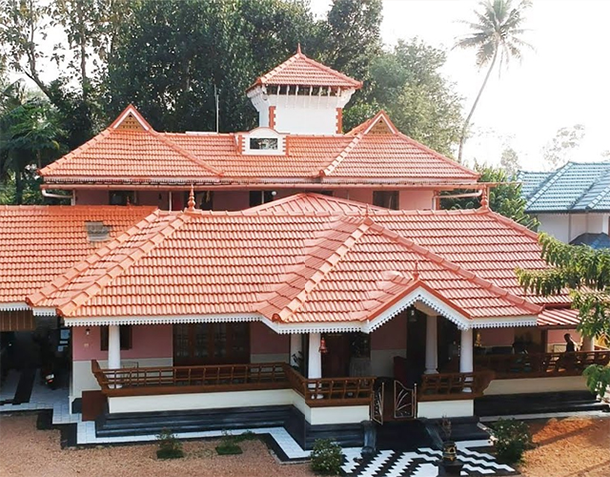
Traditional Kerala homes often feature sloping roofs, natural materials and earthy exterior colours. Terracotta-inspired shades, warm brown and other natural-looking roof colours can complement this architectural style.

These colours work well with cream, off-white, beige and light yellow exterior walls. Wooden doors, traditional windows and natural stone details can further enhance the overall appearance.

Modern homes and villas

Contemporary homes often feature clean lines, large windows, simple wall finishes and a combination of different materials. Grey, charcoal, black and other muted roof colours can complement these designs, depending on the exterior palette.

For example, a dark roof paired with white or light grey walls can create a clean, contemporary look. If the building already has dark windows or bold architectural details, repeating a similar shade in the roof may help create a more coordinated appearance.

Homes with mixed architectural styles

Some houses combine traditional sloping roofs with modern exterior finishes. In these cases, choose a roof colour that connects the traditional and contemporary elements rather than making them compete visually.

The key is to consider the house as a complete design instead of selecting the roof colour in isolation.

2. Choose the Right Roof Tile Colour for Your Exterior Paint

The exterior wall colour is one of the first things to consider when choosing roofing tiles. Some combinations create a soft, coordinated appearance, while others provide a stronger contrast.

Here are a few combinations to consider for Indian homes.

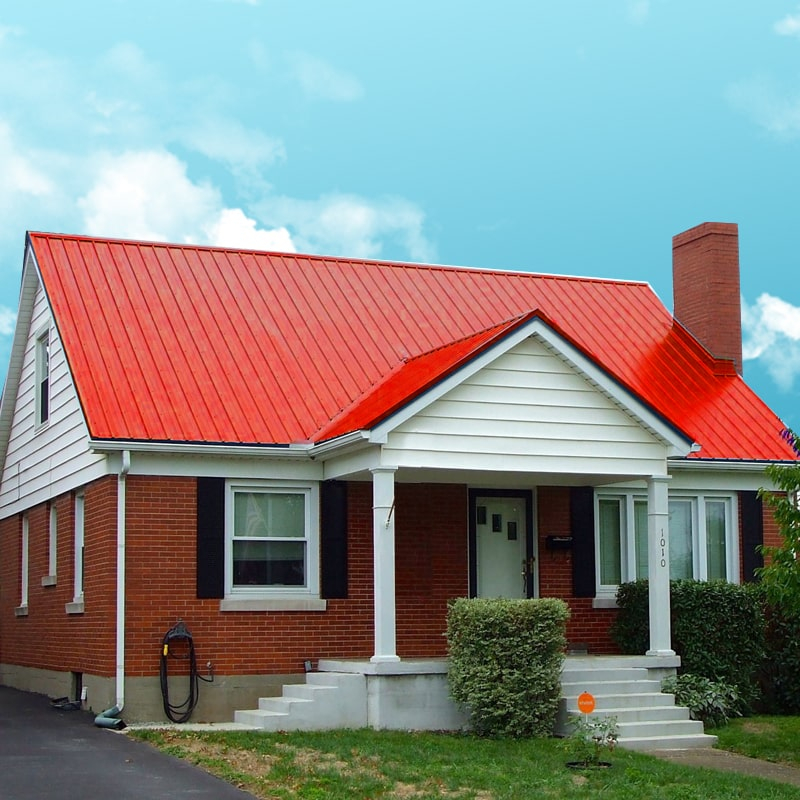
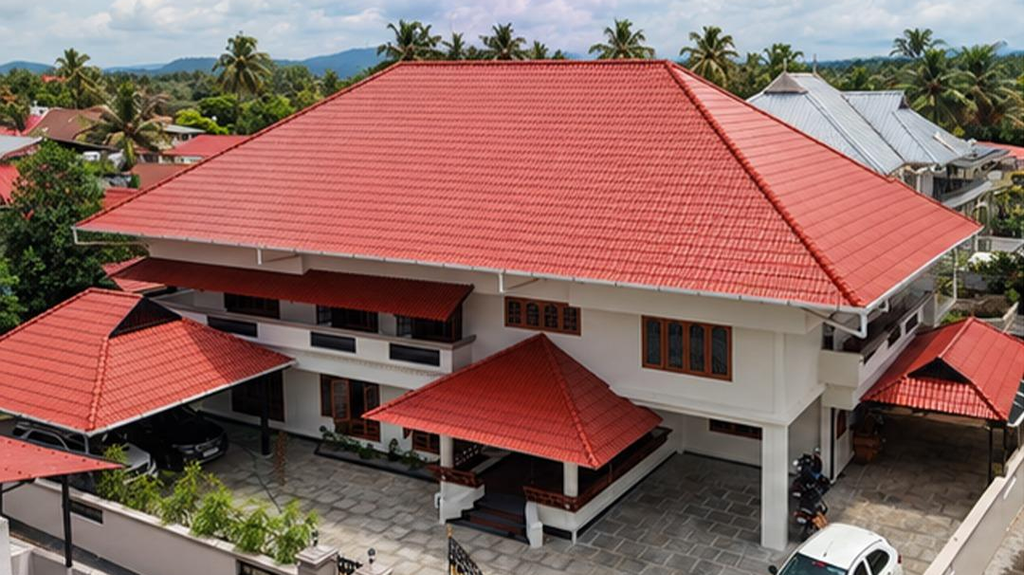
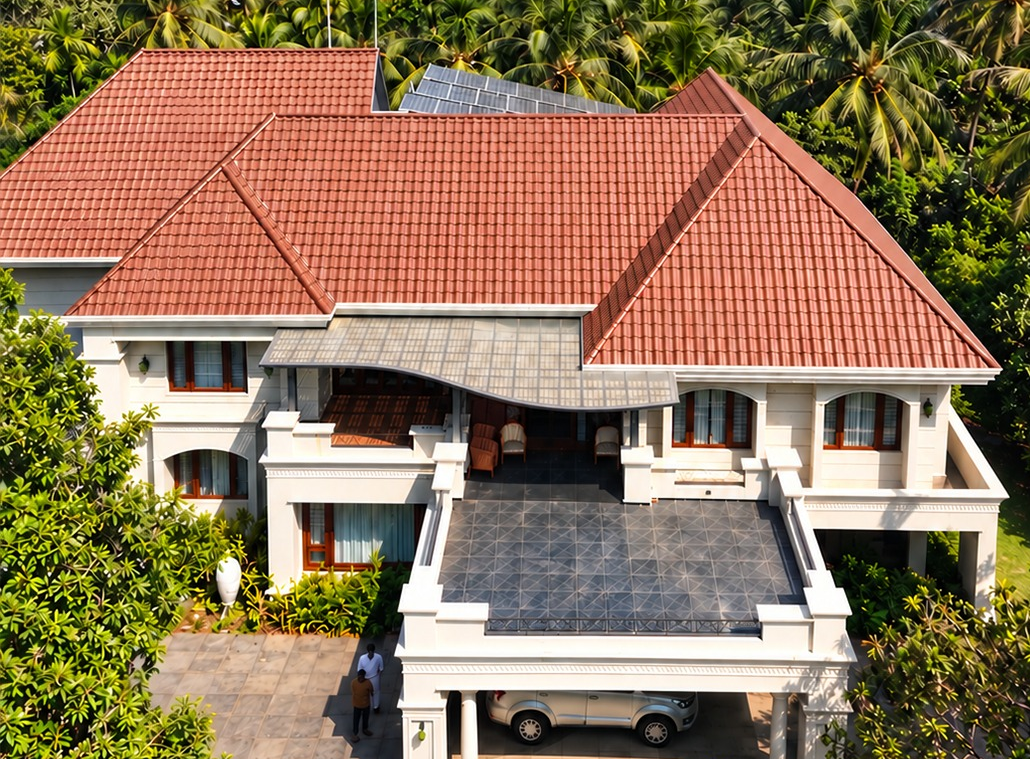
Terracotta roof tiles with cream or off-white walls

Terracotta and earthy red shades are popular choices for homes that feature traditional or natural architectural elements. When paired with cream or off-white walls, these roof colours create a warm and welcoming appearance.

This combination can work particularly well for traditional Kerala homes, independent houses and villas with sloping roofs.

Brown roof tiles with beige walls

Brown roof tiles can complement beige, sand and other warm neutral wall colours. This combination creates a natural appearance without introducing too many contrasting shades.

It is worth considering for homes with wooden doors, earthy exterior finishes or stone cladding.

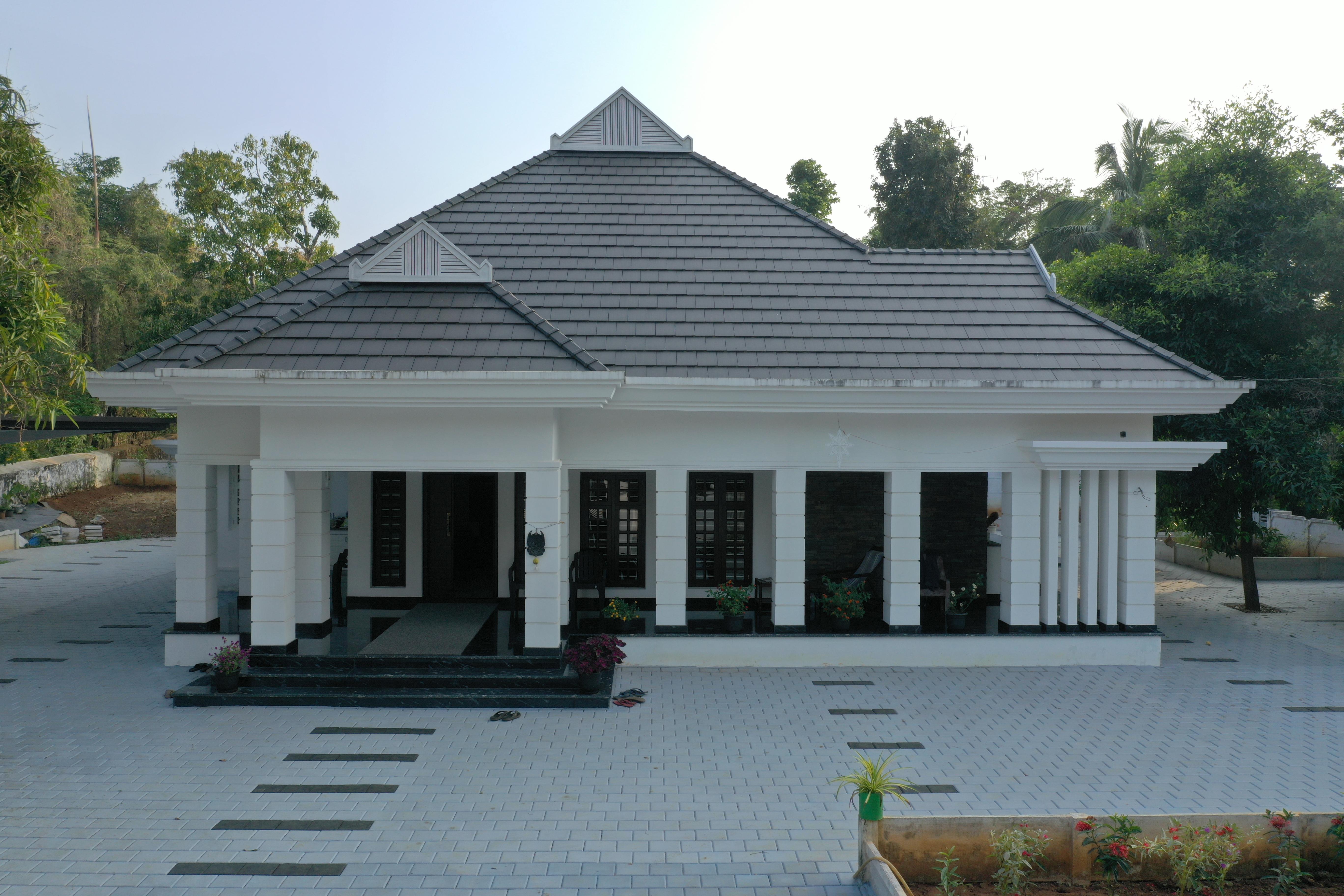
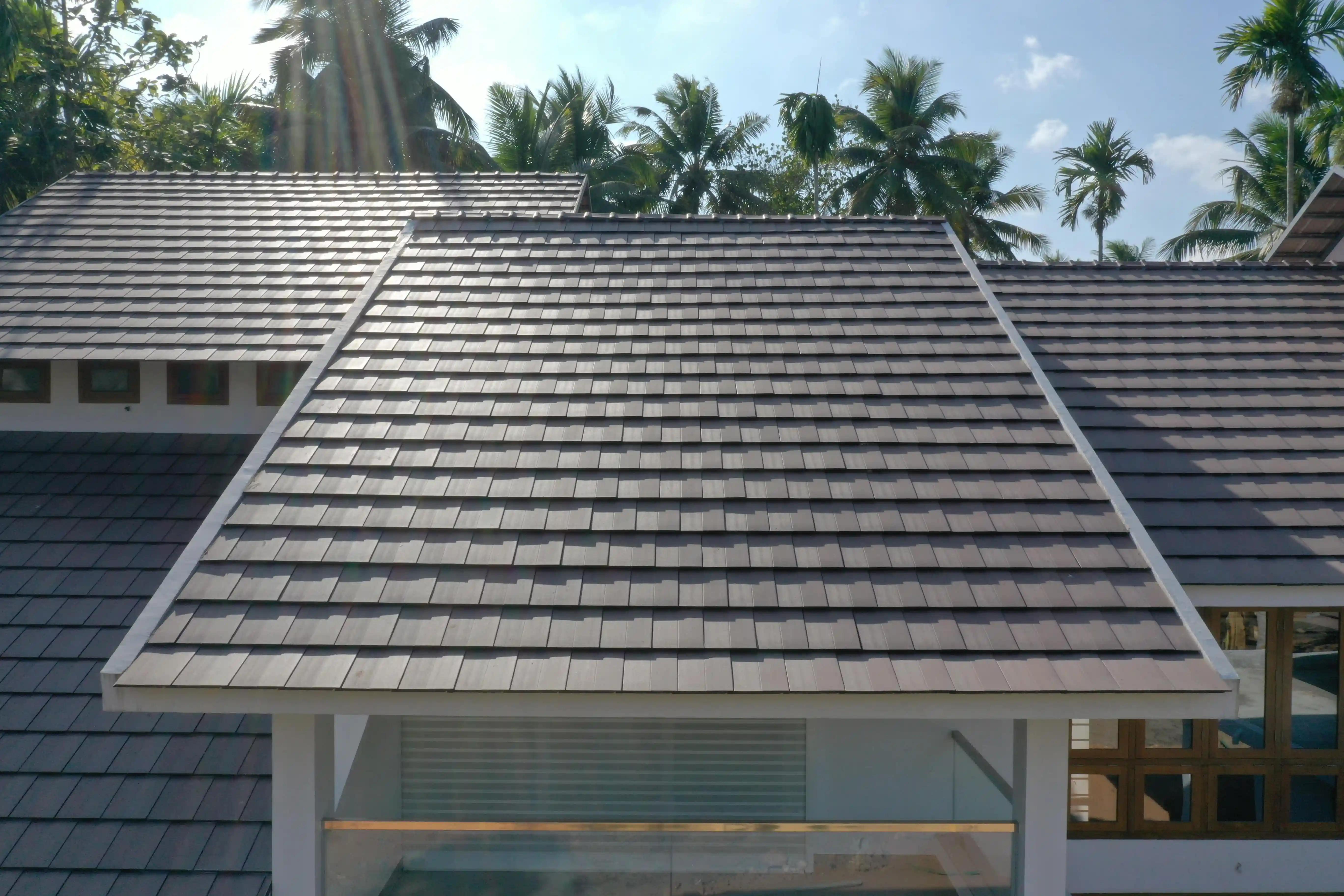
Grey roof tiles with white walls
Grey roof tiles for kerala homes tapco

Grey roof tiles and white walls create a simple, balanced combination that suits many contemporary architectural styles.

You can introduce additional visual interest through black window frames, subtle exterior textures or wooden accents. The exact shade of grey should be selected after considering the brightness of the walls and the amount of natural light around the property.

Black or charcoal roof tiles with light-coloured walls

Dark roof tiles can create a striking contrast against white, cream or light grey exterior paint. This combination is often suitable for modern villas with clean architectural lines.

However, consider the proportions of the house before choosing a very dark roof. On a smaller building, a dark roof may become the dominant visual feature, particularly when the roof occupies a large part of the exterior.

Muted roof colours with pastel walls

Soft pastel shades such as pale green, light blue or muted yellow can work with selected roof colours. The right combination depends on the undertone of the paint and the surrounding architectural details.

Before finalising the combination, compare physical colour samples in natural daylight. Colours can look different under direct sunlight, shade and artificial lighting.

3. Consider the Colour of Your Windows, Doors and Other Details

Exterior paint and roof tiles are important, but they are not the only elements that influence the appearance of a house.

Window frames, doors, balcony railings, fascia boards and exterior trims can affect how the roof colour looks against the building.

For example, a grey roof with white walls and black window frames can create a consistent contemporary palette. A terracotta roof with cream walls and natural wood finishes can create a warmer, more traditional appearance.

Try to keep the overall colour scheme controlled. A useful starting point is to select one main wall colour, one roof colour and one or two complementary accent colours. This is a design guideline rather than a strict rule, so the final combination should suit the proportions and features of your house.

4. Match Roof Tile Colours with the Materials Used in Your Home
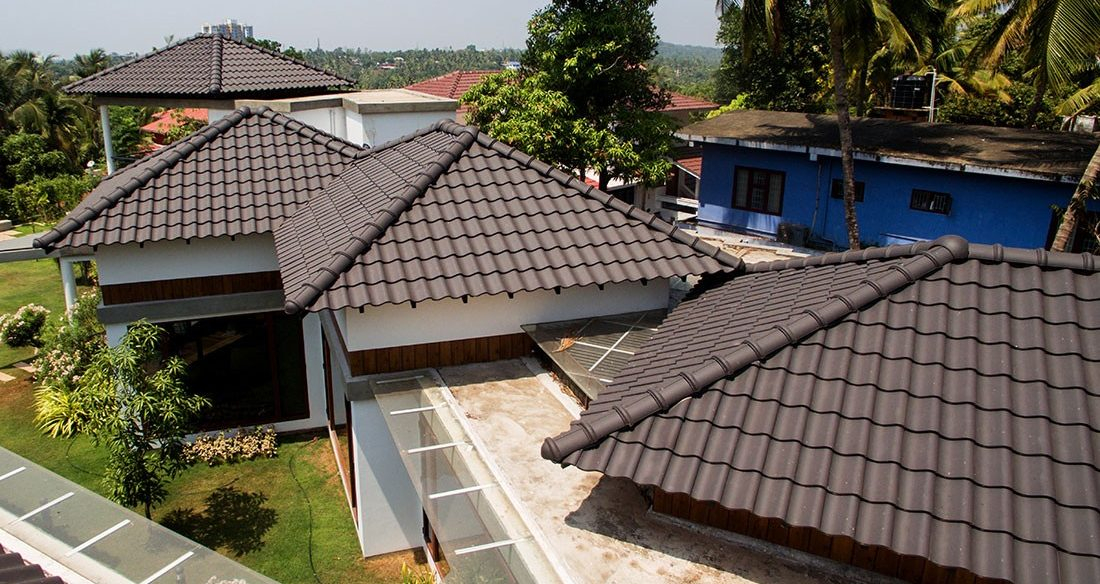
Ceramic roof tiles for kerala homes

Many Indian homes use more than one exterior material. Stone cladding, exposed brick, wooden finishes, metal railings and textured paint may all appear on the same building.

When choosing a roof tile colour, consider how it will look alongside these materials.

If the house already features warm natural stone or exposed brick, an earthy roof colour may complement those finishes. For a house with polished concrete, glass and metal details, a neutral grey or darker roof colour may suit the overall design.

Avoid choosing colours based only on individual samples. Place the roof tile sample beside the exterior paint and other finishing materials to see how the complete combination looks.

You can also explore TAPCO’s roof tile collection to review the available roofing options before deciding on a colour and design that suits your home.

5. Consider Kerala’s Climate and Surroundings

For homes in Kerala, colour selection should also take the local environment into account. Strong sunlight, seasonal monsoon rain, humidity and surrounding greenery can influence how the exterior looks throughout the year.

A colour that appears bright in a showroom may look different when installed on a large roof under direct sunlight. Similarly, a roof surrounded by trees and greenery may create a different visual effect from one in a densely built-up neighbourhood.

When comparing colours, consider:

  • Natural light: Check how the shade looks in both direct sunlight and shade.
  • Surrounding greenery: Earthy and neutral colours can complement gardens and landscaped spaces.
  • Exterior finishes: Make sure the roof colour works with the wall paint, stonework and window frames.
  • Maintenance expectations: Consider how visible dust, stains and weather-related marks may be on different shades.
  • Product suitability: Choose a roofing product appropriate for the building design and local weather conditions.

Colour alone does not determine how well a roof performs. Tile type, installation quality, roof design and maintenance also matter when selecting roofing materials for a home in Kerala.

6. Understand the Difference Between Glossy and Matt Finishes

The finish of a roof tile can change the way its colour appears. Two tiles with a similar base colour may look different because one has a glossy finish and the other has a matt finish.

Glossy roof tiles

Glossy finishes reflect light more visibly and can create a brighter appearance. Their final look depends on the tile colour, the surrounding light and the roof’s slope.

Matt roof tiles

Matt finishes generally offer a more subdued appearance. They may suit homeowners who prefer a contemporary, understated exterior.

Neither finish is automatically the best choice for every house. Consider the architectural style, exterior paint and overall appearance you want to achieve. Always compare the actual tile sample with the proposed wall colour before making a final decision.

7. Review Roof Tile Designs Along with Colour

Colour is only one part of the decision. The shape, profile and arrangement of the roof tiles can also influence the appearance of the house.

A traditional roof profile may complement a home with a sloping roof and classic architectural details. A different profile may be more suitable for a contemporary design.

When comparing options, consider the following:

  • The architectural style and slope of the roof.
  • The visible pattern created by the tiles.
  • The colour and finish of the selected product.
  • The way the roof looks from the front and sides of the building.
  • The suitability of the product for the roof structure and installation requirements.

If you are considering ceramic roofing, review the available ceramic roof tile options and assess their colours and designs against your house plan. The right choice should meet your design preferences as well as your roofing requirements.

8. Test Colour Combinations Before Making the Final Decision
One of the easiest ways to avoid a colour mismatch is to compare samples before installation.

A small paint card or a photograph on a mobile screen may not represent the final appearance accurately. The size of the roof, lighting conditions and surrounding materials can all influence how a colour is perceived.

Follow these steps before finalising your selection:

  1. Finalise the main exterior wall colour.
  2. Collect samples of the roof tile colours you are considering.
  3. Place the samples beside the exterior paint, window frame and other finishing materials.
  4. Check the combination in natural daylight and in shade.
  5. View the samples from different distances rather than looking at them only up close.
  6. Ask your architect, designer or roofing professional to review the combination alongside the house design.

If possible, review a sample of the actual roofing product rather than relying entirely on a digital image. This gives you a better understanding of its colour and finish.

9. Common Mistakes to Avoid When Choosing Roof Tile Colours

Even attractive colours may not work well together when they are selected without considering the whole building.

Here are a few common mistakes to avoid.

Choosing the roof colour before finalising the exterior paint: Both colours should be considered together. Otherwise, you may have to compromise on one of them later.

Selecting colours only from online images: Screens can display colours differently. Always check physical samples where possible.

Using too many competing colours: A roof, exterior wall, window frame and trim do not all need to be in contrasting shades. A more controlled palette often creates a more cohesive appearance.

Ignoring the architectural style: A colour combination should complement the shape and character of the house rather than follow a trend without considering the design.

Overlooking the tile profile and finish: A suitable colour may still look different when used on a different tile shape or finish.

Focusing only on appearance: Roofing materials must also be suitable for the roof design, installation requirements and local weather conditions.

Avoiding these mistakes can make the selection process easier and help you create an exterior that looks well planned.

10. How to Choose the Right Roof Tile Colour for Your Home

If you are still unsure which colour to choose, begin with the overall appearance you want for your house.

For a traditional home, consider earthy shades that complement the architectural details and exterior finishes. For a contemporary villa, compare neutral or darker roof colours with light wall paint and simple accents. For a house surrounded by greenery, test colours that work naturally with the landscape.

There is no single roof tile colour that suits every building. The right choice depends on the house design, exterior paint, roofing product, lighting and personal preference.

Before making a final decision, compare the available colours and profiles, review physical samples and seek professional advice if necessary.

TAPCO offers roofing options for different architectural preferences. You can explore the TAPCO roof tile collection and visit the TAPCO showroom and outlet page to find out how to explore the available options.

Frequently Asked Questions

1. Which roof tile colour is best for a house exterior?

The best colour depends on the architectural style, exterior paint, surrounding materials and personal preference. Terracotta and brown can complement traditional designs, while grey and charcoal may suit contemporary homes. Compare the colours with your actual exterior finishes before deciding.

2. Which exterior paint colours go well with terracotta roof tiles?

Cream, off-white, beige and selected warm neutral shades can complement terracotta roof tiles. The final combination should be checked against the actual tile colour, window frames and other exterior details.

3. Do grey roof tiles suit modern Kerala homes?

Grey roof tiles can complement modern homes, particularly when paired with white, light grey or other neutral exterior finishes. The result depends on the shade of grey, roof proportions and overall architectural design.

4. Should roof tiles be lighter or darker than exterior walls?

There is no fixed rule. Darker roof tiles can create contrast against light walls, while similar tones can create a more coordinated appearance. Consider the size and shape of the house and compare samples before making a decision.

5. How can I check whether a roof tile colour will match my house?

Place an actual tile sample beside your exterior paint, window frames and other finishing materials. Check the combination in natural daylight and shade, and consider how it looks from a distance.

6. Does roof tile colour affect the appearance of a house?

Yes. The roof occupies a significant part of the exterior of many homes, so its colour can influence the building’s overall appearance. The tile profile, finish, roof slope and surrounding colours also contribute to the final look.

Conclusion

Matching roof tile colours with exterior paint and house design requires a little planning, but it does not have to be complicated. Start with the architectural style of your home, select a suitable wall colour and compare roof tile samples with the other exterior finishes.

Terracotta, brown, grey and charcoal can all work well in different settings. The most suitable option is the one that complements the building’s design while meeting its practical roofing requirements.

If you are planning a new home or renovating an existing one, take time to compare different roof tile colours and profiles before making the final decision. Explore the TAPCO roof tile collection to find options that complement your house design.
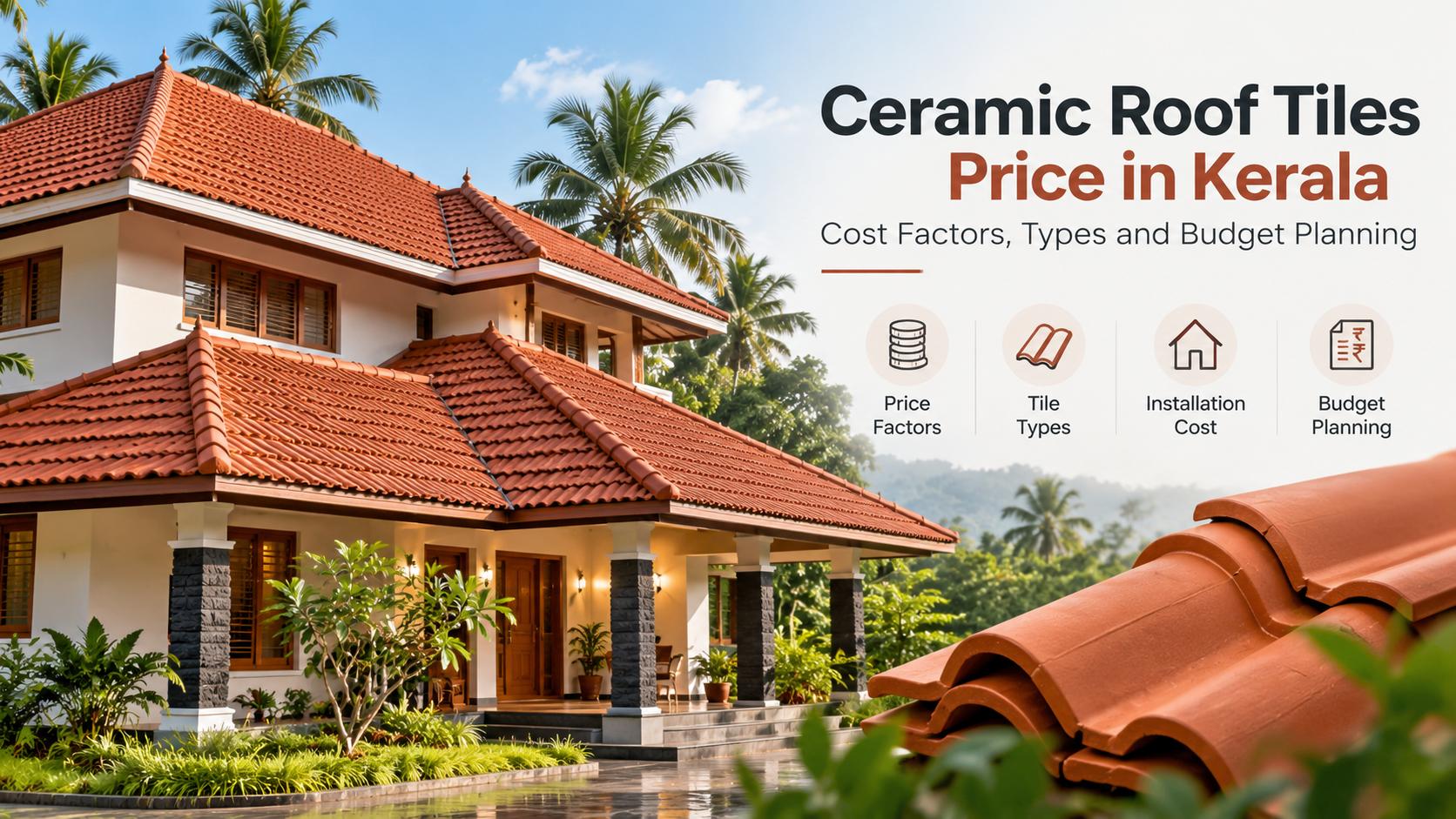
Ceramic Roof Tiles Price in Kerala: Cost Factors, Types and Budget Planning

Choosing the right roofing material is an important decision when building a new home or renovating an existing property. In Kerala, homeowners often consider ceramic roof tiles for their traditional appearance, attractive designs and suitability for different architectural styles.

However, one of the most common questions is: What is the price of ceramic roof tiles in Kerala?

The cost depends on several factors, including the tile model, roof area, roof design, installation requirements, accessories and transportation. Understanding these factors before purchasing helps homeowners plan their budget more effectively and choose roofing tiles that suit their building.

In this guide, we explain the important factors that affect ceramic roof tile prices in Kerala, the different tile designs available, installation considerations and how to choose the right roofing solution for your home.

What Is the Price of Ceramic Roof Tiles in Kerala?

Ceramic Roof Tiles Price in Kerala varies according to the product model, specifications, quantity required and supplier. There is no single price that applies to every roofing project.

For an accurate estimate, homeowners should consider the cost of the tiles along with the additional requirements of the complete roofing system.

The main factors affecting the price include:

  • Tile design and model: Different profiles and finishes may have different prices.
  • Roof area: The number of tiles required depends on the total roof area and the coverage provided by each tile.
  • Roof structure: Complex roof designs may require additional planning, cutting and installation work.
  • Accessories: Ridge tiles and other roofing components may be required depending on the roof design.
  • Transportation: Delivery costs can vary according to the project location and order quantity.
  • Installation: Labour charges depend on the roof structure, accessibility and complexity of the work.

For this reason, it is better to request a project-specific quotation rather than compare tile prices alone.

Homeowners planning a new house in Thrissur, Kochi, Kozhikode, Malappuram or other parts of Kerala should share their project details with the supplier to receive a more suitable estimate.

What Factors Affect Ceramic Roof Tile Costs?

1. Tile Model and Design

Ceramic roof tiles are available in different profiles, shapes and finishes. The design affects the appearance of the roof and can also influence the quantity and accessories required.

For example, a traditional Kerala-style home may require a different roof profile from a contemporary villa with clean architectural lines.

When comparing products, consider the tile’s specifications, coverage, compatibility with the roof design and overall appearance. Do not select a tile based on its price alone.

TAPCO offers ceramic roof tile collections such as Elbano, Porto, Roman, Flat Luxury, Kerala Classic and Spanish. The suitable option depends on the architectural style, project requirements and current product availability.

2. Total Roof Area

The size of the roof is one of the main factors in calculating the material requirement.

A larger roof generally requires more tiles. However, the actual quantity is not always the same as the building’s floor area.

For an accurate estimate, the roof’s dimensions, slope, overhangs and design should be considered. Roofs with multiple slopes, valleys or complex sections may require additional planning and cutting.

It is also important to confirm the coverage per tile with the supplier before calculating the total quantity.

3. Roof Design and Slope

Kerala homes feature several roofing styles, including traditional sloping roofs, modern villas and contemporary residential designs.

The roof structure and slope must be compatible with the selected tile profile. Proper tile overlap, drainage, under-roof protection and installation details are important, particularly in areas that receive heavy monsoon rainfall.

A complex roof may involve more installation work than a simple roof with fewer slopes and junctions.

Before purchasing the tiles, consult an experienced roofing professional to confirm the suitability of the product for the proposed roof design.

4. Roofing Accessories

A complete roofing project may require more than the main roof tiles.

Depending on the design, the project may need ridge tiles, flashing, under-roof protection, fixing components and other accessories.

These requirements should be included when preparing the budget. Otherwise, the initial tile quotation may not represent the complete material cost.

Ask the supplier to clarify which components are included in the quotation and which items need to be purchased separately.

5. Transportation and Delivery

Transportation can influence the total roofing budget, especially when materials need to be delivered over long distances.

The final delivery cost may depend on the quantity ordered, the delivery location, vehicle requirements and site accessibility.

When comparing quotations from different suppliers, check whether transportation is included. A lower material price may not necessarily result in a lower total project cost if delivery charges are higher.

6. Installation and Labour

Correct installation is essential for the performance of a ceramic tiled roof.

Labour costs depend on the roof’s height, accessibility, complexity, structure and installation requirements. Additional work may be necessary for complicated roof junctions or other architectural details.

The supporting structure must also be suitable for the selected roofing system. It is important to confirm the structural requirements with a qualified professional before installation.

A properly planned installation helps reduce avoidable errors, material wastage and future maintenance issues.

Why Consider Ceramic Roof Tiles for Kerala Homes?

Kerala’s climate includes heavy seasonal rainfall, warm temperatures and humid conditions. Roofing materials should therefore be selected with careful attention to weather exposure, building design and installation quality.

Ceramic roof tiles are an option for homeowners who want to combine a distinctive roof appearance with functional roofing requirements.

A Wide Range of Architectural Styles

Ceramic roof tiles can complement traditional homes, contemporary villas, independent houses and selected commercial buildings.

Different tile profiles and finishes allow homeowners to choose a roof appearance that suits the overall architecture.

Rainwater Management

Properly designed and installed tiled roofs help direct rainwater away from the roof surface.

However, performance depends on the tile profile, roof slope, tile overlap, drainage arrangements and installation quality. Appropriate under-roof protection may also be required depending on the building design.

Appearance and Design Flexibility

The roof contributes significantly to the overall appearance of a building.

Ceramic roof tiles are available in different profiles and finishes, making them suitable for a variety of architectural preferences. The right choice should complement the exterior walls, windows, roof shape and surrounding landscape.

Long-Term Planning

Roofing should be evaluated as a complete system rather than by initial purchase price alone.

Material quality, installation, maintenance requirements and suitability for the building all contribute to long-term value. Homeowners should review the manufacturer’s specifications and applicable warranty terms before making a decision.

How to Calculate Your Roof Tile Requirement

Before requesting a quotation, it is useful to estimate the roof area and understand the information needed for calculating the tile quantity.

The following steps provide a starting point:

  1. Measure the roof: Obtain the actual sloping roof area rather than relying only on the building’s floor area.
  2. Identify the tile model: Different profiles may have different coverage requirements.
  3. Confirm coverage per tile: Ask the supplier for the product’s stated coverage and installation specifications.
  4. Include additional components: Consider ridge tiles, flashing, fixing components and other accessories required for the design.
  5. Allow for cutting and wastage: The appropriate allowance depends on the roof’s complexity and installation plan.
  6. Request a final estimate: Share the roof plan and project location with the supplier for a more accurate quotation.

A roofing contractor or qualified professional can help verify the measurements and material requirements before the order is finalised.

How to Choose the Right Ceramic Roof Tiles in Kerala

Price is important, but it should not be the only factor when selecting roofing tiles.

Consider the following checklist before making a purchase.

1. Check product specifications

Review the tile dimensions, coverage, profile, finish and installation requirements. Ensure the selected model is suitable for the roof design.

2. Consider the local climate

Choose a roofing system appropriate for the building’s rainfall exposure, temperature conditions and drainage requirements.

3. Compare complete quotations

Compare the tile cost, accessories, transportation, installation and other project-related expenses instead of looking only at the price per tile.

4. Review warranty terms

Check what the manufacturer’s warranty covers, the duration, exclusions and any installation conditions that apply.

5. Select a design that suits your home

Consider the building’s architectural style and the appearance you want to achieve. The roof should complement the overall exterior rather than being selected in isolation.

6. Confirm availability and delivery

Before placing an order, confirm the availability of the selected model, required quantity, delivery schedule and applicable charges.

Explore Ceramic Roof Tiles from TAPCO

TAPCO provides ceramic roof tile collections for different architectural preferences and roofing requirements. Its product range includes Elbano, Porto, Roman, Flat Luxury, Kerala Classic and Spanish designs.

Whether you are planning a traditional Kerala home or a contemporary villa, the right tile selection should be based on the roof design, product specifications, installation requirements and project budget.

Instead of relying on a general price estimate, contact TAPCO with your project details to enquire about suitable tile models, current availability and pricing.

Explore the TAPCO website to learn more about the brand’s roofing solutions.

Frequently Asked Questions About Ceramic Roof Tiles in Kerala

1. What is the price of ceramic roof tiles in Kerala?

The price varies according to the tile model, specifications, quantity, transportation and supplier. Installation and roofing accessories may add to the total project cost. Contact the supplier for a quotation based on your requirements.

2. Which ceramic roof tiles are suitable for Kerala homes?

The right tile depends on the roof design, slope, architectural style and project requirements. Product specifications and installation suitability should be confirmed before choosing a model.

3. Are ceramic roof tiles suitable for heavy rain in Kerala?

Ceramic roof tiles can be used in suitable roofing systems when the tile profile, roof slope, overlap, drainage and installation are correctly planned. Appropriate under-roof protection may also be necessary.

4. How do I calculate the number of roof tiles required?

Start with the actual roof area and confirm the coverage per tile with the supplier. The final quantity should account for roof geometry, cutting, wastage and the additional components required for the project.

5. Does the price of roof tiles include installation?

Not necessarily. Some quotations cover only the tiles, while others may include selected accessories or installation services. Always confirm what is included before comparing prices.

6. What additional costs should I consider when planning a tiled roof?

Depending on the project, additional expenses may include transportation, installation labour, ridge tiles, flashing, fixing components, under-roof protection and structural work.

7. Which TAPCO ceramic roof tile designs are available?

TAPCO’s ceramic roof tile collections include Elbano, Porto, Roman, Flat Luxury, Kerala Classic and Spanish. Contact TAPCO to confirm the current availability and specifications of each model.

8. How can I get a ceramic roof tile quotation from TAPCO?

Share your project location, approximate roof area, preferred design and roof plan if available. TAPCO can then help you enquire about suitable products, current pricing and availability.

Plan Your Roofing Project with Confidence

Choosing ceramic roof tiles involves more than comparing prices. The right decision considers the product specifications, roof design, installation requirements, accessories and overall project budget.

If you are planning a new home or renovation in Kerala, start by identifying your roofing requirements and obtaining a project-specific quotation.

Contact TAPCO to explore ceramic roof tile options and plan the roofing requirements for your project.

TAPCO ceramic roof tiles

Best roof tiles in India

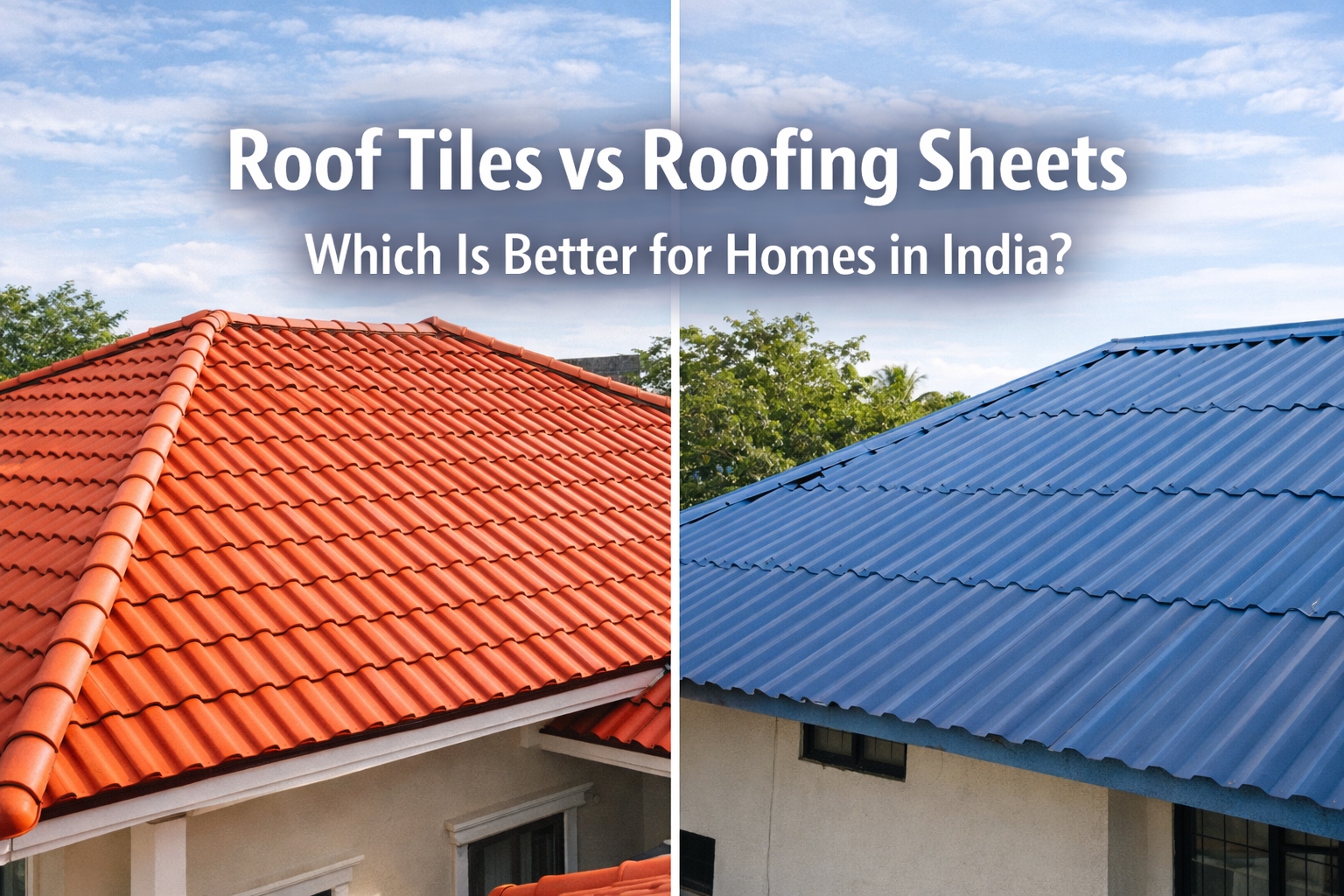
Roof Tiles vs Roofing Sheets – Which Is Better for Homes in India?

When planning roofing for a new house, many homeowners face one common confusion: roof tiles vs roofing sheets. Both options are widely used in India, but they serve different needs. Climate, durability, appearance, and long-term value play a major role in choosing the right roofing material.

This guide helps homeowners understand roof tiles vs roofing sheets clearly and make a confident decision.

Why Choosing the Right Roofing Material Matters

Roofing plays a key role in protecting your home from heat, rain, and external damage. Choosing the wrong material can affect comfort and increase long-term costs.

Understanding roof tiles vs roofing sheets helps homeowners select the best solution for residential use.

What Are Roof Tiles?

Roof tiles for homes are individual roofing units made from materials like ceramic roof tiles or clay roof tiles. They are installed in an interlocking pattern to create a durable and weather-resistant roof.

Key advantages of premium roof tiles:

  • Long lifespan
  • Excellent water resistance
  • Better heat insulation
  • Premium appearance

Roof tiles are ideal for independent houses, villas, and residential projects.

What Are Roofing Sheets?

Roofing sheets for houses are large sheets usually made from metal or fibre cement. They are commonly used in industrial and temporary structures.

Key characteristics of roofing sheets:

  • Lightweight
  • Quick installation
  • Lower initial cost
  • Higher heat transfer

Roofing sheets are generally used for sheds, factories, and warehouses.

Roof Tiles vs Roofing Sheets – Key Differences

Here is a clear comparison of roof tiles vs roofing sheets for residential homes.

Durability
Roof tiles for Indian homes last for decades, while roofing sheets usually have a shorter lifespan.

Heat control
Ceramic roof tiles reduce indoor heat better compared to roofing sheets.

Water resistance
Roof tiles with proper interlocking handle heavy rain better than roofing sheets.

Maintenance
Roof tiles require less maintenance than roofing sheets.

Appearance
Roof tiles offer a premium and traditional look, while roofing sheets have an industrial appearance.

Which Is Better for Homes in India?

For residential construction, roof tiles for homes are the better choice.

When comparing roof tiles vs roofing sheets for Indian houses:

  • Roof tiles handle Indian climate better
  • Roof tiles improve comfort and appearance
  • Roof tiles provide long-term value

Cost Comparison – Roof Tiles vs Roofing Sheets

Roofing sheets may have a lower initial cost. However, premium roof tiles offer better value over time due to longer lifespan and lower maintenance.

Common Mistakes Homeowners Make

Choosing roofing sheets only based on price
Ignoring heat and noise issues
Not planning for long-term durability

Understanding roof tiles vs roofing sheets helps avoid these mistakes.

Why Choose a Trusted Roofing Brand

Selecting Tapco roofing solutions ensures:

  • Tested quality for Indian climate
  • Reliable materials
  • Long-term roofing performance

Choosing a trusted roofing brand is essential for home roofing.

Final Verdict – Roof Tiles or Roofing Sheets?

For homes in India, roof tiles for homes offer better durability, comfort, and appearance.

Roofing sheets are suitable for commercial or temporary structures, but roof tiles are the preferred choice for residential buildings.

Contact Tapco for Expert Roofing Guidance

If you are planning roofing for your house and need expert advice, explore Tapco roofing solutions designed for Indian conditions.Visit https://tapcotiles.com/

How Long Do Roof Tiles Last? Lifespan, Maintenance and Care

Roof tiles are a long-term investment for any house. Many homeowners ask one common question before choosing roofing: how long do roof tiles last? The lifespan of roof tiles depends on the tile material, installation quality, climate conditions, and regular maintenance.

This blog explains how long do roof tiles last, along with simple maintenance and care tips to help your roof perform well for many years.

Why Roof Tile Lifespan Matters

Roofing is not something you replace frequently. A good roof should protect your home for decades.

Understanding how long do roof tiles last helps you:
 

  • Plan long-term costs
  • Choose the right roofing material
  • Avoid frequent repairs
  • Increase property value

Average Lifespan of Roof Tiles

Different roof tile materials have different lifespans.

Ceramic roof tiles
Ceramic roof tiles usually last 40 to 60 years or more when installed correctly and maintained well. They are highly resistant to water, heat, and weather changes.

Clay roof tiles
Clay roof tiles generally last 30 to 50 years. They offer good durability but may need more maintenance in rainy and humid areas.

Concrete roof tiles
Concrete roof tiles can last around 30 to 40 years. Their lifespan depends heavily on quality and installation.

So, when asking how long do roof tiles last, the answer depends mainly on tile type and care.

Factors That Affect Roof Tile Lifespan

Roof tiles do not fail suddenly. Their lifespan is influenced by several factors.

Climate conditions
Heavy rain, humidity, strong sunlight, and wind can impact roof tiles over time.

Installation quality
Poor installation can reduce roof tile life drastically, even if the tiles are high quality.

Roof slope and drainage
Proper slope ensures quick water flow and prevents water stagnation.

Tile quality
Tiles from trusted manufacturers last longer and perform consistently.

Maintenance practices
Regular cleaning and inspection extend roof life significantly.

Signs That Roof Tiles Need Attention

Even long-lasting roof tiles need occasional care.

Common warning signs include:
 

  • Cracked or broken tiles
  • Water leakage inside the house
  • Moss or algae growth
  • Loose or displaced tiles
  • Fading or surface damage

Ignoring these signs can reduce how long roof tiles last.

How to Increase the Lifespan of Roof Tiles

If you want your roof to last for decades, follow these simple steps.

Regular roof inspection
Check your roof at least once a year, especially after heavy rains.

Clean moss and debris
Remove leaves, dirt, and moss to prevent moisture retention.

Fix small issues early
Replace broken or loose tiles immediately to avoid bigger damage.

Ensure proper drainage
Keep gutters and drainage paths clear.

Use professional installers
Correct installation plays a big role in how long roof tiles last.

Maintenance Tips for Roof Tiles in Rainy Areas

In high-rainfall regions, maintenance becomes even more important.

  • Inspect roof after monsoon
  • Check for leakage or tile movement
  • Clean moss and algae periodically
  • Ensure waterproof underlayment is intact

These steps help protect roof tiles from moisture damage.

Do Roof Tiles Need Replacement Often?

No. High-quality roof tiles do not need frequent replacement. With proper care, most roof tiles outlast many other roofing materials.

Understanding how long do roof tiles last helps homeowners avoid unnecessary replacement costs.

Why Choosing the Right Roofing Brand Matters

Roof tile lifespan depends not only on material but also on manufacturing quality.

A reliable roofing brand ensures:
 

  • Consistent tile strength
  • Better water resistance
  • Quality testing
  • Long-term performance

Choosing a trusted brand improves roof durability and peace of mind.

Final Thoughts on Roof Tile Lifespan

Roof tiles are designed to last for decades, but their actual lifespan depends on quality, installation, and maintenance.

If you choose the right tiles and care for them properly, you will never need to worry about how long roof tiles last.

Contact Tapco for Reliable Roofing Solutions

If you are planning roofing for your house and want durable, long-lasting roof tiles, Tapco offers trusted roofing solutions suitable for Indian climate conditions.Visit https://tapcotiles.com/

Common Roofing Mistakes Homeowners Make and How to Avoid Them

Roofing is one of the most important parts of a house, but it is also one of the most commonly misunderstood. Many homeowners make small mistakes during roofing planning or installation, which later turn into major problems like leakage, heat issues, and repeated repair costs.

This blog explains the common roofing mistakes homeowners make and how you can avoid them to ensure a strong, long-lasting roof.

Why Roofing Mistakes Are Costly

Roofing mistakes are not always visible immediately. Many issues appear only after the first heavy rain or after a few years.

Common results of roofing mistakes include:

  • Water leakage
  • Cracks and tile breakage
  • Heat buildup inside the house
  • Mould and damp walls
  • High maintenance expenses

Avoiding common roofing mistakes homeowners make can save a lot of money and stress in the long run.

Mistake 1: Choosing Roof Tiles Only Based on Price

One of the biggest mistakes homeowners make is selecting roof tiles based only on low price.

Low-cost tiles often:
 

  • Have poor water resistance
  • Crack easily
  • Fade quickly
  • Require frequent replacement

Always consider quality, durability, and suitability for climate instead of price alone.

Mistake 2: Ignoring Climate Conditions

Different regions require different roofing solutions. In rainy and humid climates, roofing materials must handle constant moisture.

Ignoring climate conditions leads to:
 

  • Leakage problems
  • Moss and algae growth
  • Reduced roof lifespan

Choosing tiles designed for Indian weather helps avoid this mistake.

Mistake 3: Poor Roof Tile Installation

Even the best roof tiles can fail if installation is not done properly.

Common installation mistakes include:
 

  • Incorrect tile alignment
  • Weak fixing methods
  • Improper slope planning
  • Gaps between tiles

Proper installation is essential to avoid common roofing mistakes homeowners make during construction.

Mistake 4: Not Using Proper Roof Slope

Roof slope plays a critical role in rainwater drainage.

A wrong slope can cause:
 

  • Water stagnation
  • Increased leakage risk
  • Damage to tiles over time

Roof tiles should always be selected based on roof design and slope requirements.

Mistake 5: Skipping Underlayment and Waterproofing

Many homeowners skip underlayment to reduce cost.

This is a serious mistake because underlayment:

  • Acts as an extra water barrier
  • Protects the roof structure
  • Improves roof lifespan

Skipping this step increases the risk of long-term damage.

Mistake 6: Mixing Different Roofing Materials

Using different tile types or brands on the same roof often leads to:
 

  • Uneven fitting
  • Colour mismatch
  • Inconsistent performance

Using tiles from one trusted brand ensures better compatibility and performance.

Mistake 7: Neglecting Roof Maintenance

Roofing does not end after installation.

Lack of maintenance leads to:
 

  • Blocked water flow
  • Moss buildup
  • Undetected cracks

Regular inspection helps avoid major repairs later.

How to Avoid Common Roofing Mistakes

To avoid common roofing mistakes homeowners make, follow these simple steps:

  • Choose tiles suitable for your climate
  • Focus on quality, not just cost
  • Use experienced installers
  • Ensure correct slope and drainage
  • Do periodic roof inspections

These steps greatly improve roof performance and durability.

Why Choosing a Trusted Roofing Brand Matters

A reliable roofing brand ensures consistent product quality, tiles tested for Indian climate, technical guidance, and long-term performance.

Tapco offers roofing solutions designed to reduce common roofing issues.

Build a Roof That Lasts for Years

Roofing mistakes are avoidable with proper planning and the right decisions. Understanding common roofing mistakes homeowners make helps you build a roof that stays strong, safe, and leak-free for many years.

Contact Tapco for Expert Roofing Support

If you are planning roofing for your house and want expert guidance, Tapco provides reliable roofing solutions suitable for Indian conditions.Visit https://tapcotiles.com/

Ceramic Roof Tiles vs Clay Roof Tiles – Which Is Better?

Choosing the right roof tiles is a major decision when building a house. Many homeowners get confused between ceramic roof tiles and clay roof tiles. Both are popular choices in India, especially in Kerala and other tropical regions, but they serve slightly different purposes.

This guide explains the key differences so you can decide which option suits your home, climate, and budget.

Why Comparing Roof Tile Types Is Important

Roof tiles are a long-term investment. Once installed, they remain for decades. Choosing the wrong type can lead to leakage, cracks, high heat inside the house, and frequent maintenance.

Understanding the difference between ceramic roof tiles vs clay roof tiles helps you make a smart and practical decision.

What Are Ceramic Roof Tiles?

Ceramic roof tiles are manufactured using refined clay and fired at very high temperatures. This process makes them dense, strong, and consistent in quality.

Key features of ceramic roof tiles:

  • Low water absorption
  • Smooth and uniform finish
  • Strong interlocking system
  • Long lifespan
  • Suitable for heavy rainfall areas

Ceramic roof tiles are widely used in modern homes due to their durability and clean appearance.

What Are Clay Roof Tiles?

Clay roof tiles are made from natural clay and fired at comparatively lower temperatures. They are known for their traditional look and earthy appeal.

Key features of clay roof tiles:

  • Natural appearance
  • Good ventilation properties
  • Traditional Kerala-style roofing
  • Moderate water absorption
  • Requires periodic maintenance

Clay roof tiles are commonly seen in traditional houses and heritage-style buildings.

Ceramic Roof Tiles vs Clay Roof Tiles – Key Differences

Here is a simple comparison to help you understand ceramic roof tiles vs clay roof tiles clearly.

Material strength
Ceramic roof tiles are stronger and more consistent in quality. Clay roof tiles are durable but can vary depending on clay quality.

Water resistance
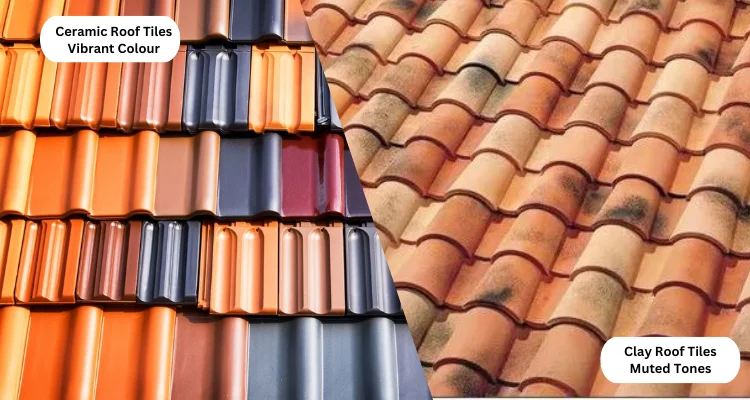
Ceramic roof tiles have very low water absorption, making them ideal for heavy rain areas. Clay roof tiles absorb more water, which may lead to moss growth over time.

Maintenance
Ceramic roof tiles require minimal maintenance. Clay roof tiles may need regular cleaning and occasional replacement.

Appearance
Ceramic roof tiles offer a modern and uniform look. Clay roof tiles give a traditional and rustic appearance.

Lifespan
Ceramic roof tiles generally last longer due to high-temperature firing. Clay roof tiles also last long but may require more care.

Which Roof Tile Is Better for Rainy Climate?

In high rainfall regions like Kerala, water resistance and durability are very important.

When comparing ceramic roof tiles vs clay roof tiles for rainy climates:

  • Ceramic roof tiles perform better against leakage
  • They resist moss and algae growth
  • They maintain strength even after years of rain exposure

That is why ceramic roof tiles are often preferred for modern homes in rainy regions.

Which Roof Tile Is Better for Traditional Homes?

For homeowners who prefer a classic or heritage look:

  • Clay roof tiles suit traditional architecture
  • They blend well with Kerala-style homes
  • They provide natural ventilation

The choice depends on design preference and maintenance readiness.

Cost Comparison – Ceramic vs Clay Roof Tiles

Clay roof tiles are usually cheaper initially. Ceramic roof tiles may cost slightly more but offer better long-term value due to lower maintenance and longer lifespan.

When comparing ceramic roof tiles vs clay roof tiles, always consider lifetime cost, not just purchase price.

Common Mistakes When Choosing Roof Tiles

Choosing only based on price
Ignoring water absorption rate
Not checking interlocking quality
Mixing roof tile types
Poor installation planning

Avoiding these mistakes ensures better roof performance.

Why Choose a Trusted Roofing Brand

No matter which tile type you choose, quality matters. A trusted brand ensures consistent manufacturing, proper testing, and reliable support.

Tapco offer roofing solutions designed for Indian climate conditions, especially heavy rainfall areas.

Final Verdict – Ceramic Roof Tiles vs Clay Roof Tiles

There is no single answer for everyone.

Choose ceramic roof tiles if:

  • You want low maintenance
  • You live in a heavy rainfall area
  • You prefer a modern look

Choose clay roof tiles if:

  • You prefer traditional design
  • You are ready for periodic maintenance
  • You want a natural aesthetic

Understanding ceramic roof tiles vs clay roof tiles helps you choose confidently.

Contact Tapco for Expert Roofing Guidance

If you need expert help in selecting the right roof tiles for your home, Tapco offers reliable roofing solutions suitable for Indian weather conditions.Visit https://tapcotiles.com/

How to Choose Roof Tiles for a House in a Rainy Climate

Choosing the right roof tiles is very important when building a house in a rainy climate. In places like Kerala and other high-rainfall regions in India, roofing must handle heavy rain, moisture, humidity, and strong winds. A wrong roofing choice can lead to leakage, dampness, and frequent repairs.

This guide explains how to choose roof tiles for a house in a rainy climate, focusing on durability, water resistance, and long-term performance.

Why Roofing Choice Matters in Rainy Areas

In a rainy climate, the roof is constantly exposed to water. Poor-quality roofing can cause:

Water leakage
Mould and dampness inside the house
Heat and moisture retention
Structural damage over time
High maintenance costs

Choosing the right roof tiles helps protect the house, improves comfort, and reduces long-term expenses.

Key Factors to Consider When Choosing Roof Tiles for Rainy Climate

Not all roof tiles are suitable for heavy rainfall. These are the most important factors to check before selecting roof tiles.

Water Resistance and Absorption

Roof tiles in rainy areas should have low water absorption. Tiles that absorb too much water can crack, grow moss, and weaken over time.

High-quality ceramic and clay roof tiles are designed to resist water penetration and perform well in wet conditions.

Strong Interlocking Design

Interlocking is one of the most critical features for roofing in rainy climates.

Good interlocking roof tiles:
Prevent rainwater from entering gaps
Stay firm during strong winds
Reduce chances of tile displacement

Always choose roof tiles with a proven interlocking system.

Slope and Roof Design Compatibility

Rainwater should flow quickly from the roof surface. Roof tiles must match the correct roof slope.

A proper slope:
Prevents water stagnation
Reduces leakage risk
Improves roof life

Consult professionals to ensure tile selection matches roof design.

Material Quality and Durability

In high-rainfall areas, roofing materials must withstand moisture for many years.

Good roof tiles should:
Resist cracking
Maintain shape and strength
Withstand temperature changes

Ceramic roof tiles are widely preferred in rainy regions due to their durability and consistent performance.

Resistance to Moss and Algae Growth

Constant moisture encourages moss and algae growth on roofs.

Quality roof tiles:
Have smooth surfaces
Reduce moss accumulation
Are easier to clean and maintain

This keeps the roof looking clean and extends its lifespan.

Thermal Comfort in Humid Climate

Rainy regions are often humid and warm. Roof tiles should help reduce heat inside the house.

Light-coloured roof tiles reflect heat better and help maintain indoor comfort even during humid weather.

Roof Tile Installation Quality

Even the best roof tiles can fail if installation is poor.

Proper installation ensures:
Correct alignment
Secure fixing
Effective water drainage

Always choose experienced roofing professionals for tile installation.

Common Roofing Mistakes in Rainy Climate

Many homeowners make these mistakes:

Choosing tiles only based on appearance
Ignoring water absorption rate
Using low-quality underlayment
Improper roof slope planning
Poor installation practices

Avoiding these mistakes saves money and prevents future problems.

Why Choose a Trusted Roofing Brand

In rainy climates, roofing is not an area to compromise. A trusted brand ensures:

Consistent quality
Tiles tested for Indian climate
Better technical support
Long-lasting performance

Brands like Tapco are known for roofing solutions designed for high-rainfall conditions.

Roof Tile Selection Tips for Rainy Regions

Always prioritise quality over price
Choose tiles suitable for heavy rainfall
Ensure proper roof slope and drainage
Use experienced installers
Maintain the roof periodically

These steps ensure your roof remains strong and leak-free for years.

Build a Strong Roof for Rainy Climate

A house in a rainy climate needs a roof that can handle continuous exposure to water. Choosing the right roof tiles improves safety, comfort, and durability.

Instead of frequent repairs, invest in roof tiles that are built for rainy conditions and supported by a reliable brand.

Contact Tapco for Complete Roofing Solutions

If you are planning a house in a rainy climate and looking for durable, weather-resistant roof tiles, Tapco offers trusted roofing solutions designed for Indian conditions.Visit www.tapcotiles.com

How to Choose the Right Tiles for Roofing, Walls and Flooring – A Complete Guide

Choosing the right tiles is one of the most important decisions when building or renovating a home or commercial space. Tiles affect strength, safety, appearance, and long-term maintenance. Many people choose tiles only based on looks, which often leads to problems later.

This complete guide explains how to choose the right tiles for roofing, walls, and flooring, especially for places like Thrissur, Kerala, and other parts of India.

Why Tile Selection Is Important

Tiles are not only decorative materials. The wrong tile choice can cause water leakage, cracks, heat issues, high maintenance cost, and short life span.
The right tiles give durability, climate resistance, better appearance, and peace of mind.

That is why tiles should be selected based on usage and climate, not only design.

How to Choose the Right Roof Tiles

Roof tiles protect the building from rain, sunlight, wind, and heat. In Kerala, where rainfall is heavy, roof tile quality is very important.

Important points to consider:

Climate resistance
Choose roof tiles that can handle heavy rain, humidity, and strong sunlight.

Strength and durability
Roof tiles should be strong, long-lasting, and resistant to cracks.

Interlocking design
Good interlocking prevents water leakage and tile movement during wind.

Colour and finish
Light and natural colours help reduce heat absorption.

Roof tiles are suitable for houses, villas, apartments, and commercial buildings. Premium ceramic roof tiles from trusted brands are designed for Indian climate conditions.

How to Choose the Right Wall Tiles

Wall tiles play a big role in interior appearance and cleanliness. They are used in living rooms, kitchens, bathrooms, and commercial spaces.

Points to consider:

Area of use
Bathrooms need water-resistant tiles.
Kitchens need easy-to-clean tiles.
Living rooms need decorative wall tiles.

Tile size and pattern
Large tiles give a modern look.
Small patterns work well in compact spaces.

Finish type
Glossy finish gives a bright and premium look.
Matte finish gives a subtle and elegant look.

Maintenance
Choose wall tiles that do not stain easily and are simple to clean.

Vietnam wall tiles and premium wall tiles are good options for modern interiors.

How to Choose the Right Floor Tiles

Floor tiles face daily usage, so they must be strong and safe.

Things to check:

Strength and load capacity
Floor tiles should handle daily movement without cracking.

Slip resistance
Very important for bathrooms, kitchens, and outdoor areas.

Scratch resistance
Good quality floor tiles keep their look for many years.

Design and colour
Neutral colours match most interiors and age well.

Vietnam floor tiles and high-strength ceramic floor tiles offer durability with style.

Decorative Jaalis – Style with Function

Jaalis are widely used in modern architecture.

Benefits of jaalis:

 Improves air circulation
Allows natural light
Adds design value
Provides privacy

Jaalis are commonly used in exteriors, staircases, balconies, and building facades.

Common Tile Selection Mistakes to Avoid

Choosing tiles only for design
Using floor tiles on walls or roofs
Ignoring climate conditions
Buying tiles from multiple unknown brands
Not thinking about maintenance

Avoiding these mistakes helps reduce future repair costs.

Why Choosing One Trusted Brand Matters

Buying tiles from different brands can cause quality differences and design mismatch. Choosing one trusted brand ensures consistent quality, matching designs, and better support.

Tapco offers a complete tiles solution, making tile selection easy and reliable.

Tile Selection Tips for Thrissur, Kerala and India

For Thrissur and Kerala:
Always choose tiles suitable for heavy rain and humidity.

For other parts of India:
Choose tiles that can handle different climate conditions and long-term usage.

Choose Tiles Smartly, Build with Confidence

Tile selection is a long-term decision. Roofing, wall, and floor tiles should work together to create a strong and attractive building.

Always focus on quality, durability, and trusted brands instead of choosing tiles only based on price.

Contact Tapco for Complete Tiles Solution

If you are planning construction or renovation and need roof tiles, wall tiles, floor tiles, or decorative jaalis, Tapco is the right choice.
Visit www.tapcotiles.com

Tapco – A Complete Tiles Solution for Roofing, Walls & Flooring

When people think about Tapco, many immediately associate the brand with high-quality roof tiles. While Tapco is widely known as India’s No.1 roofing tiles brand, what many don’t realise is that Tapco offers much more than just roof tiles.

Today, Tapco has grown into a complete tiles solution provider, offering a wide range of products for roofing, walls, flooring, and architectural design needs — all under one trusted brand.

If you are planning a home, commercial building, or renovation project in Thrissur, Kerala, or anywhere in India, Tapco gives you everything you need in tiles from one place.

More Than Roof Tiles – One Brand, Complete Tile Solutions

Construction today is not just about strength; it is also about design, durability, and long-term value. That is why builders, architects, and homeowners prefer brands that can offer multiple tile solutions with consistent quality.

Tapco meets this requirement by offering:

This makes Tapco a one-stop destination for tile requirements.

Premium Roof Tiles – Built for Indian & Kerala Climate

Tapco roof tiles are designed to handle heavy rain, strong sunlight, and long-term exposure to harsh weather conditions. Especially in regions like Thrissur and across Kerala, roofing needs to be reliable and durable.

Why Tapco Roof Tiles Stand Out:

  • Long-lasting ceramic quality
  • Weather-resistant and heat-resistant
  • Strong interlocking design
  • Available in multiple colours and styles
  • Trusted by builders and large projects

Tapco roof tiles are suitable for homes, villas, apartments, and commercial buildings.

Decorative Jaalis – Style with Ventilation

Jaalis are no longer just traditional elements. They are now an important part of modern architecture.

Tapco offers decorative jaalis that provide:

  • Natural ventilation
  • Light flow
  • Privacy with design appeal

These jaalis are ideal for:

  • Home exteriors
  • Staircase areas
  • Balconies
  • Commercial facades

They add beauty while serving a functional purpose.

Vietnam Wall Tiles – Modern Designs, Premium Finish

Vietnam wall tiles are known globally for their superior finish and elegant designs. Tapco brings premium Vietnam wall tiles that suit both residential and commercial interiors.

Best Used For:

  • Living rooms
  • Bedrooms
  • Bathrooms
  • Office interiors
  • Retail spaces

These tiles offer:

  • Smooth surface finish
  • Modern patterns and textures
  • Easy maintenance
  • Long-lasting colour quality

Vietnam Floor Tiles – Strength Meets Style

Flooring plays a major role in the look and feel of any space. Tapco’s Vietnam floor tiles are designed to deliver both durability and aesthetics.

Key Benefits:

  • High strength and load resistance
  • Scratch-resistant surface
  • Suitable for homes and commercial spaces
  • Elegant designs for modern interiors

From homes to showrooms and offices, these floor tiles give a premium look with practical performance.

Premium Wall Tiles – Perfect for Elegant Interiors

Tapco’s premium wall tiles are ideal for customers who want a refined and modern finish for their spaces.

They are widely used in:

  • Bathrooms
  • Kitchens
  • Feature walls
  • Commercial interiors

With multiple design options, Tapco wall tiles help create interiors that are clean, stylish, and long-lasting.

Why Choose Tapco as Your Complete Tiles Partner?

Choosing tiles from different brands often leads to quality mismatch and design inconsistency. Tapco solves this problem by offering a complete tile range from one trusted brand.

Key Reasons to Choose Tapco:

  • India’s No.1 roofing tiles brand
  • Complete tiles solution under one roof
  • Premium quality products
  • Suitable for Indian and Kerala climate
  • Trusted by builders, architects, and homeowners
  • Strong dealer network across Thrissur, Kerala, and India

With Tapco, you don’t just buy tiles — you invest in quality, reliability, and long-term value.

One Brand. One Standard. Total Peace of Mind.

Whether you are constructing a new building or renovating an existing one, Tapco ensures that roofing, wall tiles, floor tiles, and decorative elements meet the same high-quality standards.

Instead of searching for multiple tile suppliers, Tapco gives you:

  • Consistent quality
  • Better design harmony
  • Trusted after-sales support

Visit Tapco for a Complete Tiles Solution

If you are looking for roof tiles, wall tiles, floor tiles, or decorative jaalis, Tapco is your trusted destination.Contact Tapco for a complete tiles solution
Visit: www.tapcotiles.com

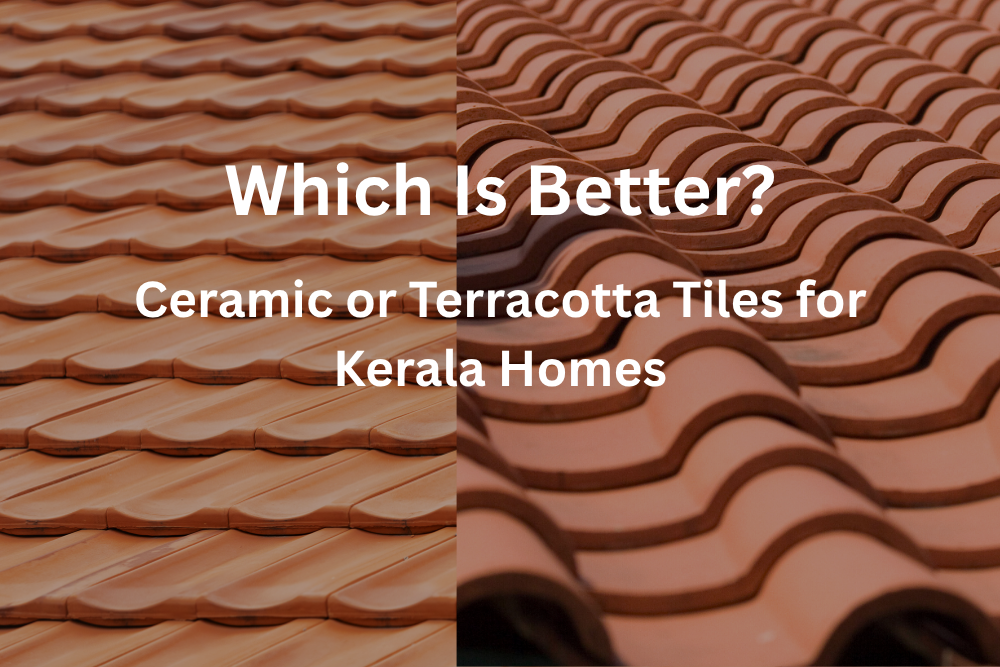
Which Is Better – Ceramic or Terracotta Tiles for Kerala Homes?

Kerala has a humid, tropical climate with heavy rains and high heat, so choosing the right roofing or flooring tile is very important. Homeowners in Kerala usually look for tiles that control heat, are durable, low maintenance and suitable for traditional as well as modern home styles. The two most popular choices today are ceramic tiles and terracotta tiles. In this blog, we will explain both tiles in detail and help you decide which is better for Kerala homes.

Kerala houses often follow both modern architecture and traditional Kerala style. So the choice depends on whether the homeowner prefers a premium modern finish or natural heritage look. This comparison will cover performance, heat control, maintenance, aesthetics and cost so that you can choose confidently.

Understanding Ceramic Tiles

Ceramic tiles are factory-made tiles produced with advanced finishing technology. They are widely used for roofing, flooring, and wall cladding.

Key Features of Ceramic Tiles:

  • Manufactured with precision and uniform finish
  • Available in modern colours and textures
  • Heat and scratch resistant
  • Low maintenance and easy to clean

Understanding Terracotta Tiles

Terracotta tiles are made from natural clay and are inspired by traditional Kerala heritage architecture.

Key Features of Terracotta Tiles:

  • 100% natural clay material
  • Excellent heat insulation
  • Natural earthy colour and rustic appearance
  • Eco-friendly and breathable material

Comparison – Ceramic vs Terracotta Tiles for Kerala Climate

FeatureCeramic TilesTerracotta Tiles
Heat ResistanceHighExcellent
Water AbsorptionLowModerate
Traditional LookModerateVery High
Modern DesignsVery HighLimited
MaintenanceVery LowModerate
CostMediumMedium to High

Which Is Better for Kerala Homes?

  • If you prefer modern, low-maintenance and long-lasting roofing or flooring, ceramic tiles are a great choice.
  • If you want traditional Kerala style aesthetics, natural comfort and eco-friendly material, terracotta tiles are ideal.

Conclusion

Both ceramic and terracotta tiles are excellent choices for Kerala homes, depending on the homeowner’s preference. Ceramic tiles are perfect for modern architecture, while terracotta tiles reflect traditional Kerala charm with natural cooling benefits.Contact Tapco Roof Tiles today to explore Ceramic Roof Tiles in Thrissur, Ceramic Roof Tiles in Kerala, Natural Clay Roof Tiles, Roofing Sheet Manufacturers in Kerala, and Ceiling Panels in Kerala — your trusted one-stop solution for roofing and interior excellence.