
Roof tile maintenance in Kerala is important because regular monsoon rain, humidity and fallen leaves can create problems for tiled roofs. Homeowners should check for damaged tiles, blocked gutters, moss growth and signs of water leakage before and after the rainy season.
A simple maintenance routine can help identify small problems early and keep the roof in good condition.
Why Is Roof Tile Maintenance Important During Kerala’s Monsoon?

Kerala homes experience heavy rainfall during the monsoon. Whether you have clay or ceramic roof tiles in Kerala, regular inspection and proper care are important to keep your roof in good condition.
Leaves may collect in roof gutters, moss can grow in shaded areas, and strong winds may affect loose or damaged tiles. Sometimes, homeowners notice a problem only when water stains begin appearing on the ceiling.
Regular maintenance helps identify these issues before they become more serious.
Whether your home has ceramic roof tiles or clay roof tiles, checking the roof before the rainy season is a sensible step. The actual maintenance requirements will depend on the roof design, tile type and surrounding conditions.
Roof Tile Maintenance Checklist Before the Monsoon

The best time to prepare your tiled roof is before continuous rainfall begins. Here are some important things to check.
1. Check for Cracked or Broken Roof Tiles
Start by looking at the roof from the ground or another safe location.
Check whether any tiles appear cracked, broken, missing or out of position. Pay attention to areas where the tile pattern looks uneven.
A damaged tile may allow rainwater to reach parts of the roofing system that should remain protected.
If you notice a problem, contact an experienced roofing professional to inspect it. Avoid climbing onto the roof or attempting to replace tiles yourself.
2. Clean Roof Gutters and Downpipes
Gutters and downpipes help carry rainwater away from the roof.
During summer, dry leaves, dust and small branches can collect inside gutters. When heavy rain begins, these materials may block the normal flow of water.
Water may then overflow onto the walls or collect in unwanted areas.
Before the monsoon, arrange for the gutters and downpipes to be checked and cleaned where necessary.
For more information, read our article on roof drainage during Kerala’s monsoon.
3. Look for Moss and Algae Growth
Moss and algae are familiar sights on roofs in Kerala, especially in areas surrounded by trees.
Shaded parts of a roof may remain damp for longer periods. This creates suitable conditions for green growth to appear on the tile surface.
A small amount of surface growth does not always mean the tiles are damaged. However, heavy moss growth can collect around tile joints and affect the movement of rainwater.
If cleaning is required, use a method approved for the roofing material. Do not use strong chemicals or high-pressure water without checking the manufacturer’s recommendations.
You can also read our guide on how to properly clean roof tiles.
4. Check Roof Edges, Ridges and Valleys
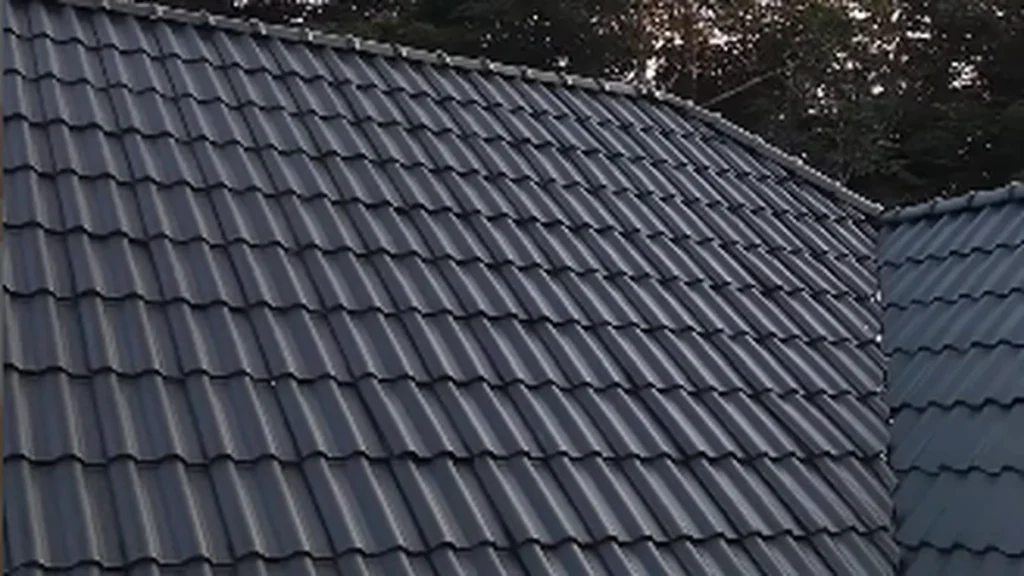
Some parts of a tiled roof need extra attention.
The ridge is the top line where two roof slopes meet. A roof valley is the area where two sloping sections meet and rainwater flows towards the drainage system.
These areas may collect leaves and other debris.
For homes with ceramic roof tiles in Kerala, it is important to check roof joints and valleys before the monsoon. From a safe viewing point, look for visible gaps, loose ridge tiles or debris collected in these areas. Also, ask a roofing professional to check the flashing, which is the material fitted around roof joints to help prevent water entry.
5. Check Nearby Trees and Overhanging Branches
Many Kerala houses have coconut trees, mango trees and other greenery nearby.
Although trees provide shade, branches and falling leaves can create maintenance problems when they are very close to the roof.
Fallen leaves may block gutters, while branches can rub against roofing materials during windy weather.
Check whether any branches are touching the roof or hanging directly above it. Arrange safe trimming by a suitable professional if needed.
6. Inspect the Ceiling for Water Stains
Not all roof problems are visible from outside.
Sometimes the first warning appears inside the house.
Look for damp patches, peeling paint, discoloured ceiling areas or water marks near the upper walls.
If your home has an accessible roof space, it may also be useful to have that area inspected for signs of moisture.
A stain does not always mean a roof tile is broken. The problem could also be related to flashing, drainage or another roofing component.
What Should You Check During the Monsoon?
Once the rain starts, avoid unnecessary roof work. Instead, observe how the roof and drainage system behave during rainfall.
1. Watch How Rainwater Flows
During a normal rainfall, check whether water flows through the gutters and downpipes as expected.
If water repeatedly overflows from a gutter or collects near the walls, the drainage system may need attention.
Do not attempt to clear a blockage while it is raining heavily.
2. Check for New Leakage Signs
After heavy rain, look around the ceiling, walls and upper corners of rooms.
New water stains, damp patches or dripping water should not be ignored.
Take photographs of the affected areas and arrange a professional inspection when conditions are safe.
3. Look for Visible Tile Movement After Strong Winds
Windy weather can sometimes reveal problems with already loose or damaged roofing sections.
If you notice a change in tile alignment, missing ridge pieces or new gaps, keep a record and contact a roofing professional.
Never climb onto a wet tiled roof to check the damage.
Roof Tile Maintenance Checklist After the Monsoon
The end of the rainy season is another useful time to inspect the roof.
Some problems are easier to identify once continuous rainfall has stopped.
1. Inspect the Roof Again
Compare the roof’s appearance with how it looked before the monsoon.
Look for newly damaged tiles, changes in alignment and debris that may have collected during strong winds.
If you have photographs from an earlier inspection, they can help you identify visible changes.
2. Remove Collected Leaves and Dirt
Leaves and other materials may remain in gutters and roof valleys after the rain.
Arrange cleaning where necessary so that the drainage system is prepared for the next rainy period.
Pay attention to areas that are not easily visible from the ground.
3. Check Moss and Algae Buildup
Inspect shaded roof areas for increased moss or algae growth.
Cleaning methods should be suitable for the selected roofing product and surface finish. Avoid scraping tiles with hard tools or using aggressive cleaning chemicals.
If you are unsure about the correct method, seek advice before arranging the work.
4. Repair or Replace Damaged Tiles
A cracked or displaced roof tile should be assessed rather than left until the next rainy season.
In some cases, a roofing professional may be able to replace the affected tile without changing the entire roof.
The replacement must match the required profile, size and installation arrangement. If the original product is unavailable, ask a roofing professional to check suitable options before proceeding.
A Simple Roof Tile Maintenance Schedule for Kerala Homes
You do not need to wait for a roof leak before checking its condition.
The following table gives a practical maintenance routine that homeowners can follow.
| When to Check | What to Look For | Recommended Action |
|---|---|---|
| Before monsoon | Cracked tiles, blocked gutters, moss and loose roof details | Arrange inspection, cleaning and necessary repairs |
| During monsoon | Overflowing gutters, damp walls and ceiling stains | Observe from a safe place and report problems |
| After heavy winds | Missing tiles, displaced sections and fallen branches | Arrange professional inspection if damage is visible |
| After monsoon | Collected debris, tile damage and increased moss growth | Clean and repair affected areas where needed |
Homes surrounded by trees may need more frequent attention because leaves can collect quickly. The inspection frequency should depend on the roof’s condition and surroundings.
How to Clean Ceramic and Clay Roof Tiles Safely
Roof cleaning should not damage the tiles or their surface finish.
Both ceramic and clay roof tiles may need occasional cleaning, but the correct method depends on the selected product.
For example, a glazed ceramic roof tile may have different cleaning requirements from an unglazed clay tile.
Keep these points in mind:
- Follow the manufacturer’s cleaning instructions.
- Avoid high-pressure water jets unless the manufacturer specifically permits them.
- Do not use strong acids, harsh chemicals or abrasive tools without product-specific approval.
- Avoid walking directly on roof tiles, especially when they are wet.
- Use trained professionals for cleaning work that requires roof access.
The aim is to remove unwanted dirt and growth without disturbing the tiles, their fixing arrangement or the surrounding roof components.
Common Roof Tile Maintenance Mistakes to Avoid
Many roof problems can become more difficult to manage when small warning signs are ignored.
One common mistake is waiting until there is visible water leakage before arranging an inspection. A blocked gutter or damaged tile may be easier to address when discovered early.
Another mistake is using a high-pressure washer to remove dirt quickly. Depending on the roofing product, strong water pressure can damage the tile surface or force water into vulnerable roof areas.
Some homeowners also try to replace a damaged tile without checking its profile or fitting method. Using an unsuitable replacement may affect how the surrounding tiles overlap.
It is better to inspect regularly, use the correct cleaning method and seek professional assistance for repairs.
Does Roof Tile Maintenance Depend on the Tile Type?
Yes. Different roofing products can have different cleaning and inspection requirements.
For clay roof tiles, homeowners should check for cracks, displacement, accumulated debris and surface growth.
For ceramic roof tiles, the same general checks are useful, but cleaning methods should also consider the finish of the selected product.
The roof’s slope, fixing arrangement and drainage design are equally important.
If you are replacing damaged tiles or planning a new roof, explore the TAPCO roof tile collection to understand the available roofing options.
You can also review the ceramic roof tile options offered by Tapco Roof Tiles.
When Should You Call a Roofing Professional?
Some maintenance checks can be done through simple observation. Other tasks require proper equipment, experience and safe access.
Contact a qualified roofing professional if you notice:
- Repeated roof leakage during rain.
- Several broken, missing or displaced roof tiles.
- Loose ridge tiles or damaged roof joints.
- Water collecting repeatedly in roof valleys.
- Visible sagging or unusual changes in the roofline.
- Damage after strong winds or falling branches.
Do not attempt to walk on a wet or damaged tiled roof. A professional can inspect the affected areas and advise whether cleaning, repair or replacement is needed.
Frequently Asked Questions
1. How often should roof tiles be checked in Kerala?
It is useful to inspect roof tiles before and after the monsoon. Additional checks may be needed after strong winds, heavy rainfall or when visible damage appears.
2. Can moss growth damage roof tiles?
Heavy moss growth can hold moisture and interfere with rainwater movement around some roofing details. Not every patch of moss means the roof is damaged, but excessive growth should be assessed and cleaned using a suitable method.
3. How should ceramic roof tiles be cleaned?
The correct cleaning method depends on the ceramic roof tile’s surface finish and manufacturer recommendations. Avoid harsh chemicals and high-pressure washing unless the product instructions clearly permit them.
4. What are the early signs of roof tile leakage?
Common warning signs include ceiling stains, damp patches, water dripping during rain and visibly damaged or displaced tiles. A professional should identify the actual cause because leakage may also come from flashing or drainage problems.
5. Can a single damaged roof tile be replaced?
In many roofing systems, individual damaged tiles can be replaced if a suitable matching tile is available. The replacement should be carried out by a roofing professional using the correct fixing method.
6. Is it safe to walk on roof tiles during the monsoon?
Walking on wet roof tiles is unsafe because the surface may be slippery, and stepping incorrectly may damage tiles. Homeowners should inspect from a safe location and leave roof access to trained professionals.
7. Should roof gutters be cleaned before the monsoon?
Yes. Removing leaves and debris before the rainy season helps rainwater move through the drainage system. Gutters may also need checking after heavy winds or when water overflows during rainfall.
Conclusion
Roof tile maintenance in Kerala does not have to be complicated. A few simple checks before and after the monsoon can help homeowners identify damaged tiles, blocked gutters and other roofing problems.
The important thing is to act when you notice something unusual instead of leaving it until the next rainy season.
Whether your house has ceramic or clay roof tiles, suitable cleaning, regular observation and timely professional repairs can help maintain the condition of the roofing system.