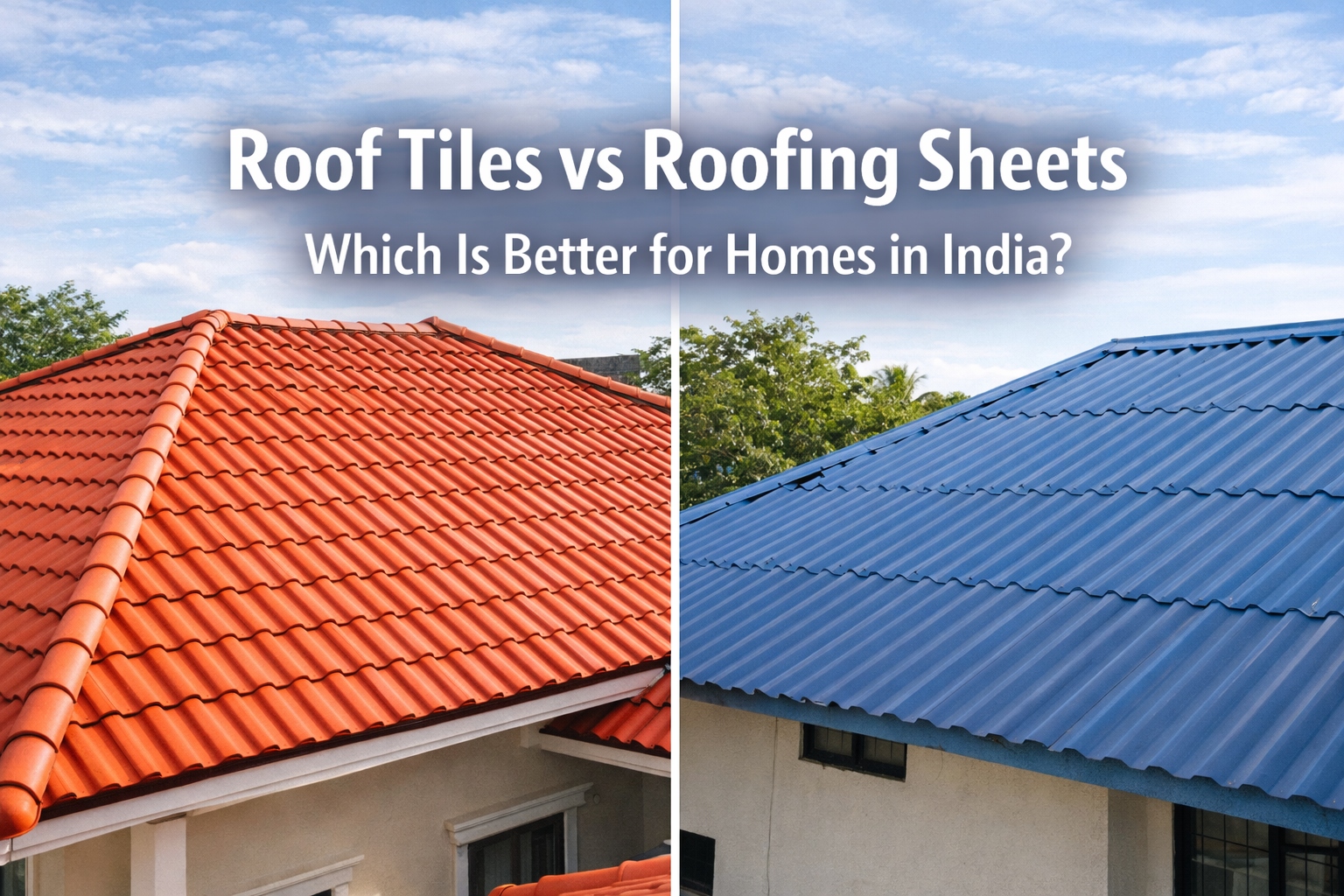
Roof Tiles vs Roofing Sheets – Which Is Better for Homes in India?

When planning roofing for a new house, many homeowners face one common confusion: roof tiles vs roofing sheets. Both options are widely used in India, but they serve different needs. Climate, durability, appearance, and long-term value play a major role in choosing the right roofing material.

This guide helps homeowners understand roof tiles vs roofing sheets clearly and make a confident decision.
Why Choosing the Right Roofing Material Matters

Roofing plays a key role in protecting your home from heat, rain, and external damage. Choosing the wrong material can affect comfort and increase long-term costs.

Understanding roof tiles vs roofing sheets helps homeowners select the best solution for residential use.

What Are Roof Tiles?
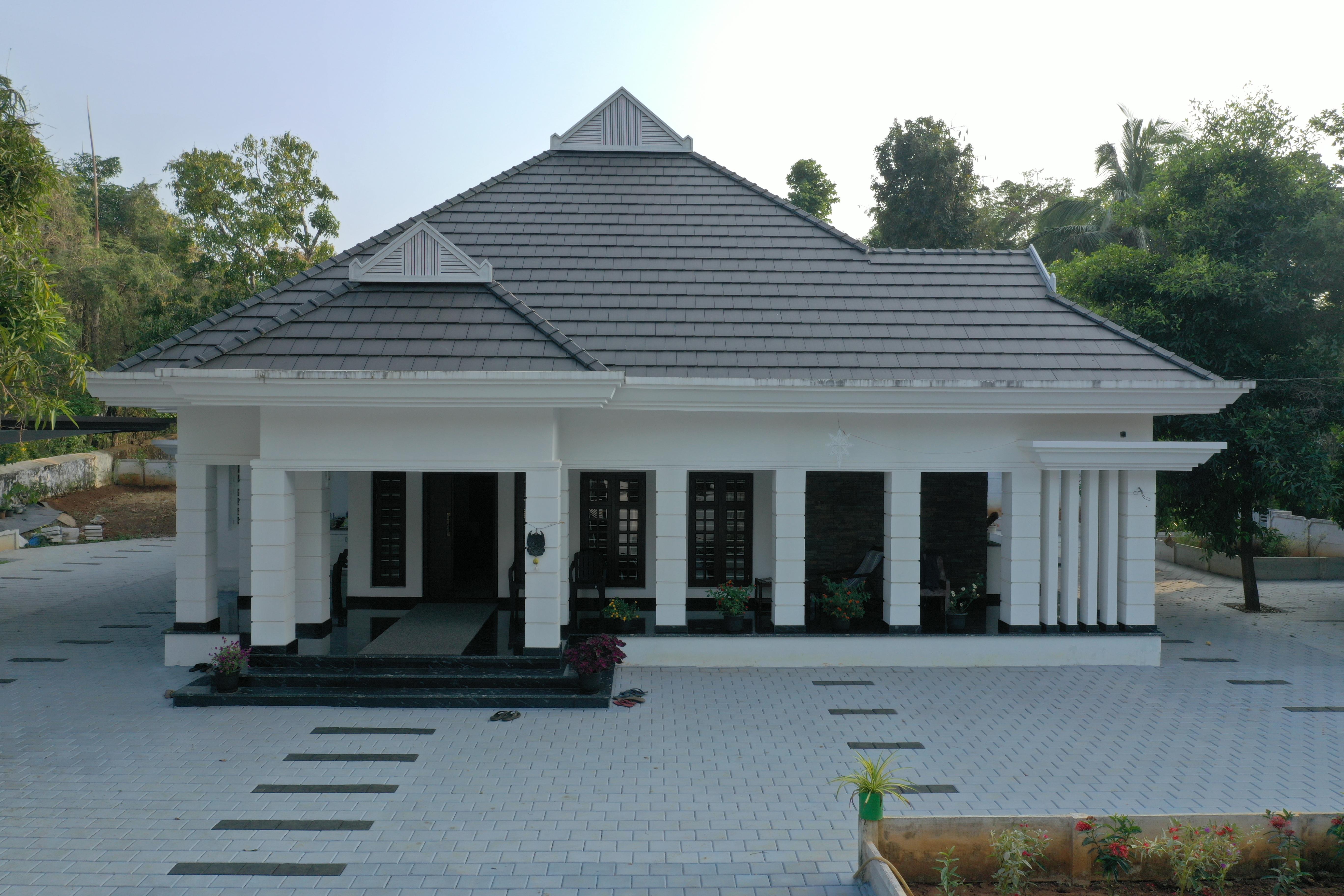
Roof tiles for homes are individual roofing units made from materials like ceramic roof tiles or clay roof tiles. They are installed in an interlocking pattern to create a durable and weather-resistant roof.

Key advantages of premium roof tiles:

  • Long lifespan
  • Excellent water resistance
  • Better heat insulation
  • Premium appearance

Roof tiles are ideal for independent houses, villas, and residential projects.

What Are Roofing Sheets?
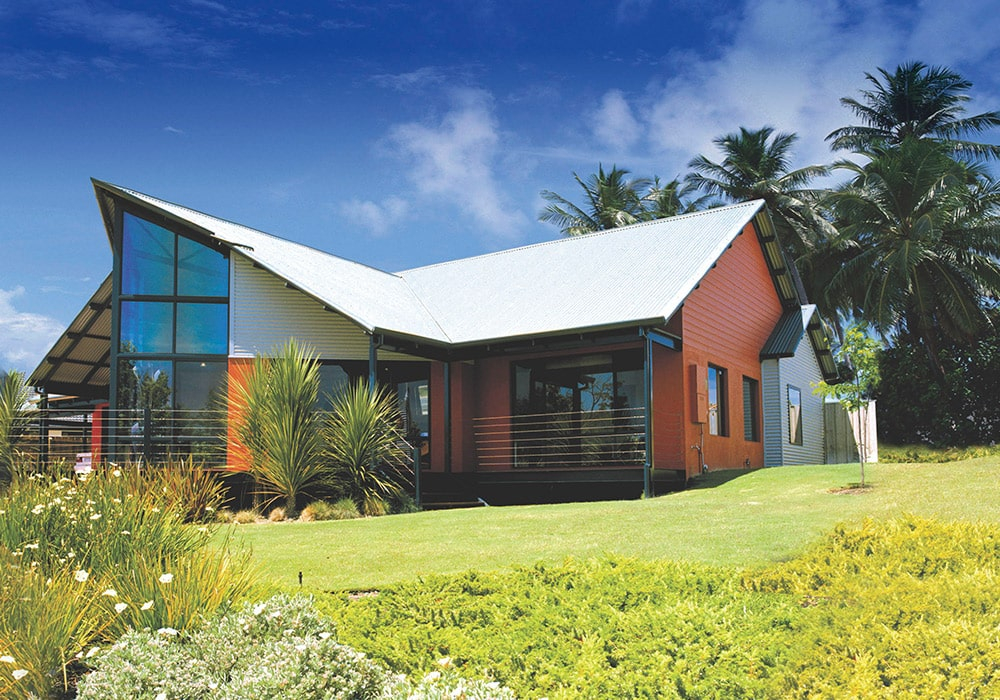
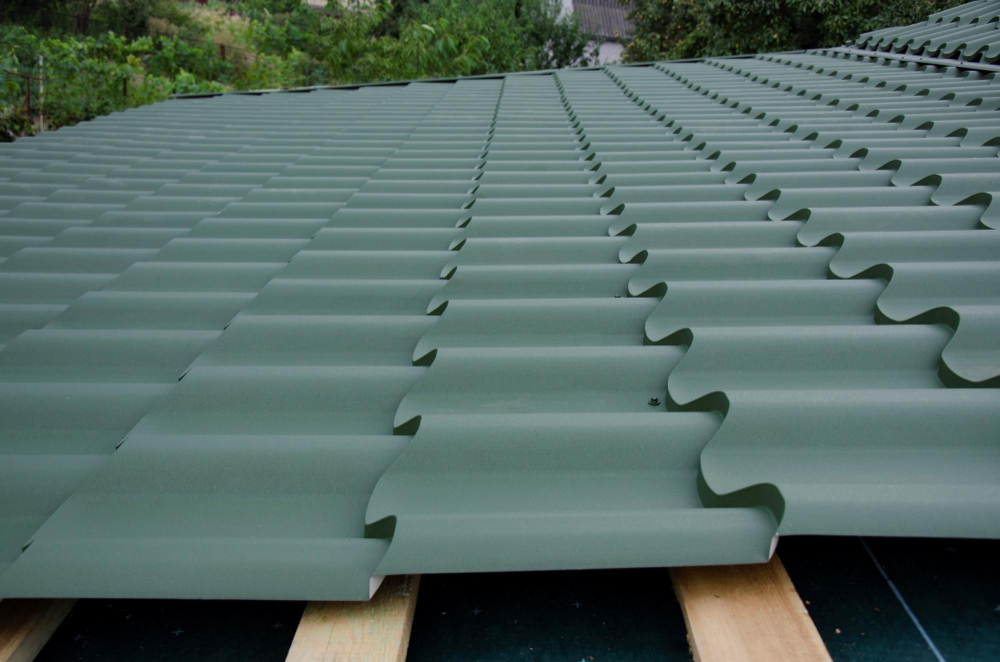
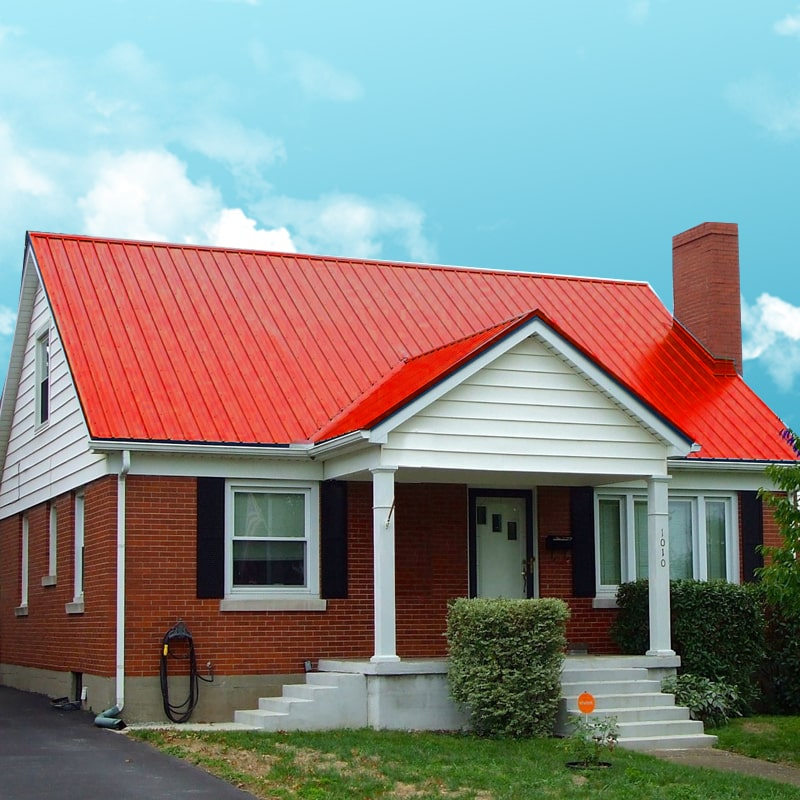
Roofing sheets for houses are large sheets usually made from metal or fibre cement. They are commonly used in industrial and temporary structures.

Key characteristics of roofing sheets:

  • Lightweight
  • Quick installation
  • Lower initial cost
  • Higher heat transfer

Roofing sheets are generally used for sheds, factories, and warehouses.

Roof Tiles vs Roofing Sheets – Key Differences

Here is a clear comparison of roof tiles vs roofing sheets for residential homes.

Durability
Roof tiles for Indian homes last for decades, while roofing sheets usually have a shorter lifespan.

Heat control
Ceramic roof tiles reduce indoor heat better compared to roofing sheets.

Water resistance
Roof tiles with proper interlocking handle heavy rain better than roofing sheets.

Maintenance
Roof tiles require less maintenance than roofing sheets.

Appearance
Roof tiles offer a premium and traditional look, while roofing sheets have an industrial appearance.

Which Is Better for Homes in India?

For residential construction, roof tiles for homes are the better choice.

When comparing roof tiles vs roofing sheets for Indian houses:

  • Roof tiles handle Indian climate better
  • Roof tiles improve comfort and appearance
  • Roof tiles provide long-term value

Cost Comparison – Roof Tiles vs Roofing Sheets

Roofing sheets may have a lower initial cost. However, premium roof tiles offer better value over time due to longer lifespan and lower maintenance.

Common Mistakes Homeowners Make

Choosing roofing sheets only based on price
Ignoring heat and noise issues
Not planning for long-term durability

Understanding roof tiles vs roofing sheets helps avoid these mistakes.

Why Choose a Trusted Roofing Brand

Selecting Tapco roofing solutions ensures:

  • Tested quality for Indian climate
  • Reliable materials
  • Long-term roofing performance

Choosing a trusted roofing brand is essential for home roofing.

Final Verdict – Roof Tiles or Roofing Sheets?

For homes in India, roof tiles for homes offer better durability, comfort, and appearance.

Roofing sheets are suitable for commercial or temporary structures, but roof tiles are the preferred choice for residential buildings.

Contact Tapco for Expert Roofing Guidance

If you are planning roofing for your house and need expert advice, explore Tapco roofing solutions designed for Indian conditions.Visit https://tapcotiles.com/
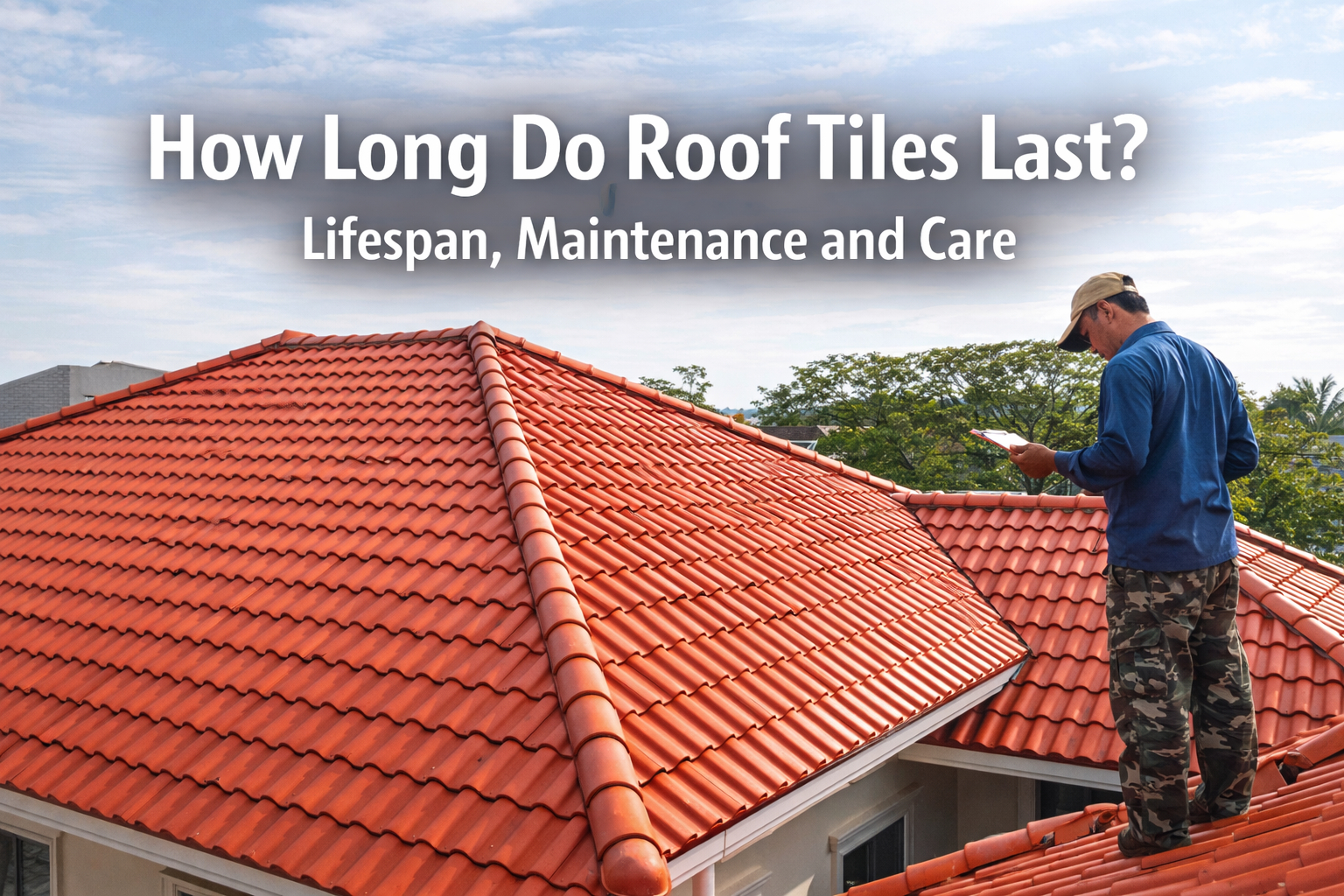
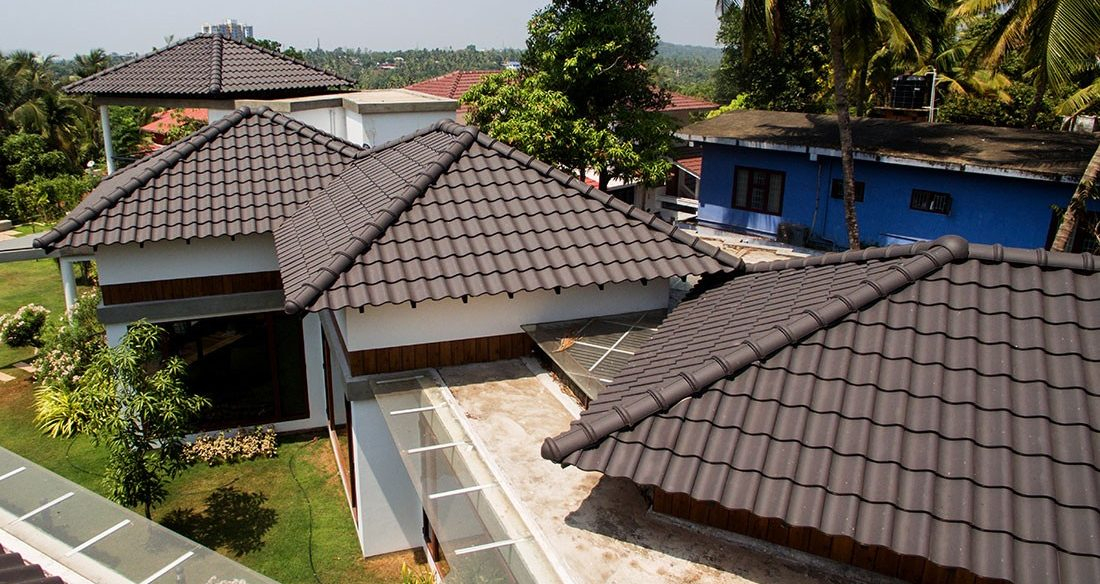
How Long Do Roof Tiles Last? Lifespan, Maintenance and Care

Roof tiles are a long-term investment for any house. Many homeowners ask one common question before choosing roofing: how long do roof tiles last? The lifespan of roof tiles depends on the tile material, installation quality, climate conditions, and regular maintenance.

This blog explains how long do roof tiles last, along with simple maintenance and care tips to help your roof perform well for many years.

Why Roof Tile Lifespan Matters

Roofing is not something you replace frequently. A good roof should protect your home for decades.

Understanding how long do roof tiles last helps you:
 

  • Plan long-term costs
  • Choose the right roofing material
  • Avoid frequent repairs
  • Increase property value

Average Lifespan of Roof Tiles

Different roof tile materials have different lifespans.

Ceramic roof tiles
Ceramic roof tiles usually last 40 to 60 years or more when installed correctly and maintained well. They are highly resistant to water, heat, and weather changes.

Clay roof tiles
Clay roof tiles generally last 30 to 50 years. They offer good durability but may need more maintenance in rainy and humid areas.

Concrete roof tiles
Concrete roof tiles can last around 30 to 40 years. Their lifespan depends heavily on quality and installation.

So, when asking how long do roof tiles last, the answer depends mainly on tile type and care.

Factors That Affect Roof Tile Lifespan

Roof tiles do not fail suddenly. Their lifespan is influenced by several factors.

Climate conditions
Heavy rain, humidity, strong sunlight, and wind can impact roof tiles over time.

Installation quality
Poor installation can reduce roof tile life drastically, even if the tiles are high quality.

Roof slope and drainage
Proper slope ensures quick water flow and prevents water stagnation.

Tile quality
Tiles from trusted manufacturers last longer and perform consistently.

Maintenance practices
Regular cleaning and inspection extend roof life significantly.

Signs That Roof Tiles Need Attention

Even long-lasting roof tiles need occasional care.

Common warning signs include:
 

  • Cracked or broken tiles
  • Water leakage inside the house
  • Moss or algae growth
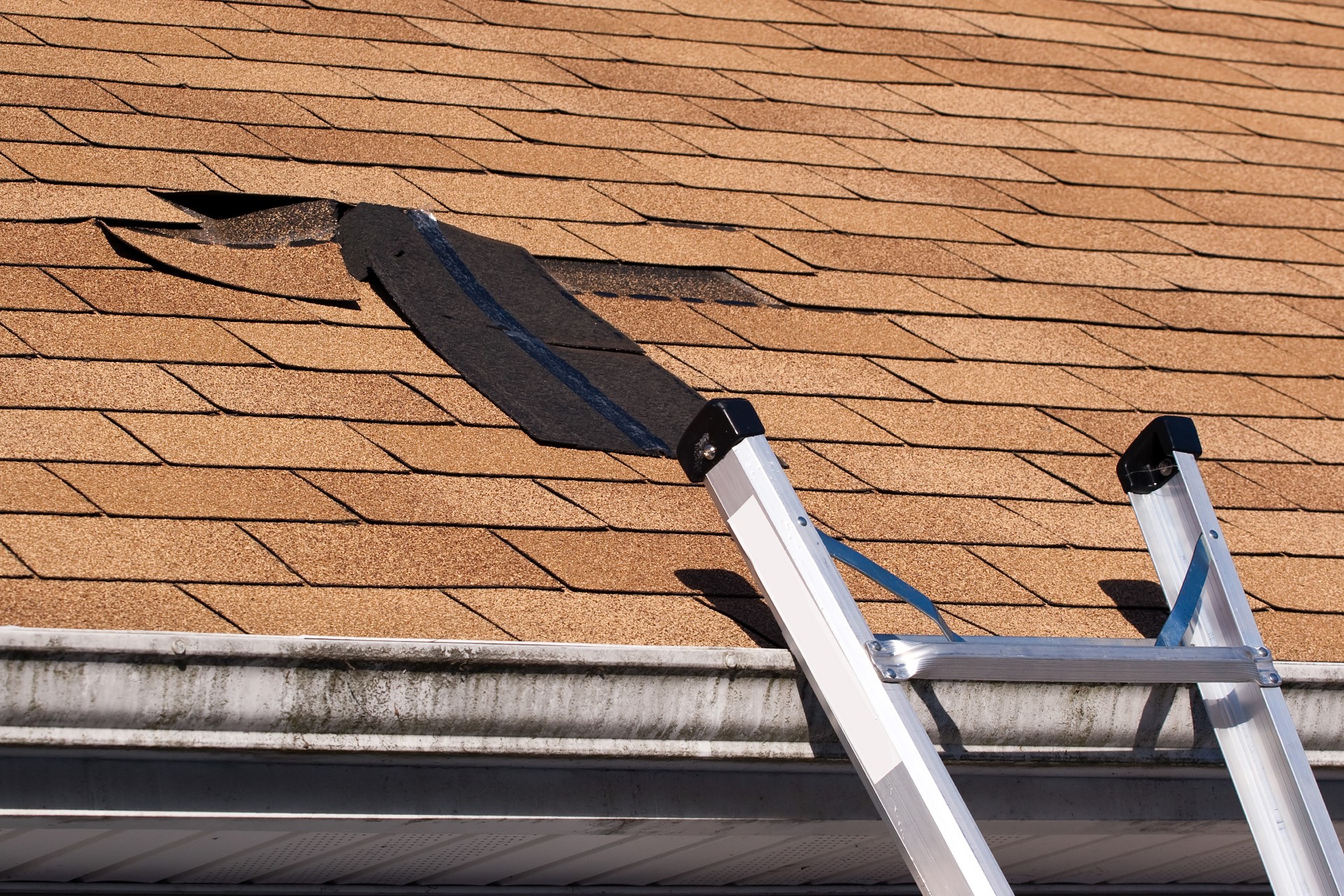
  • Loose or displaced tiles
  • Fading or surface damage

Ignoring these signs can reduce how long roof tiles last.

How to Increase the Lifespan of Roof Tiles

If you want your roof to last for decades, follow these simple steps.

Regular roof inspection
Check your roof at least once a year, especially after heavy rains.

Clean moss and debris
Remove leaves, dirt, and moss to prevent moisture retention.

Fix small issues early
Replace broken or loose tiles immediately to avoid bigger damage.

Ensure proper drainage
Keep gutters and drainage paths clear.

Use professional installers
Correct installation plays a big role in how long roof tiles last.

Maintenance Tips for Roof Tiles in Rainy Areas

In high-rainfall regions, maintenance becomes even more important.

  • Inspect roof after monsoon
  • Check for leakage or tile movement
  • Clean moss and algae periodically
  • Ensure waterproof underlayment is intact

These steps help protect roof tiles from moisture damage.

Do Roof Tiles Need Replacement Often?

No. High-quality roof tiles do not need frequent replacement. With proper care, most roof tiles outlast many other roofing materials.

Understanding how long do roof tiles last helps homeowners avoid unnecessary replacement costs.

Why Choosing the Right Roofing Brand Matters

Roof tile lifespan depends not only on material but also on manufacturing quality.

A reliable roofing brand ensures:
 

  • Consistent tile strength
  • Better water resistance
  • Quality testing
  • Long-term performance

Choosing a trusted brand improves roof durability and peace of mind.

Final Thoughts on Roof Tile Lifespan

Roof tiles are designed to last for decades, but their actual lifespan depends on quality, installation, and maintenance.

If you choose the right tiles and care for them properly, you will never need to worry about how long roof tiles last.

Contact Tapco for Reliable Roofing Solutions

If you are planning roofing for your house and want durable, long-lasting roof tiles, Tapco offers trusted roofing solutions suitable for Indian climate conditions.Visit https://tapcotiles.com/
Common Roofing Mistakes Homeowners Make and How to Avoid Them

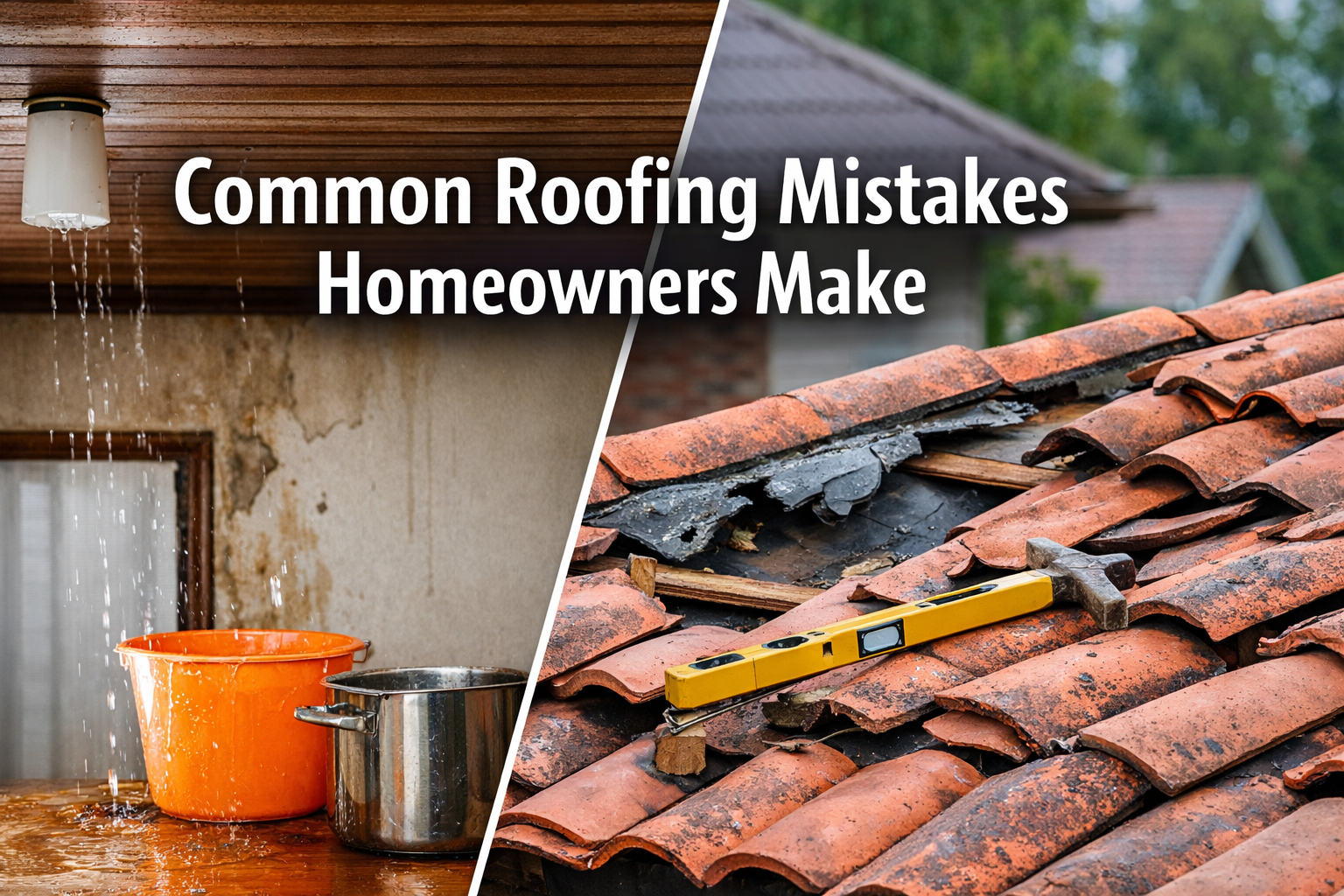
Roofing is one of the most important parts of a house, but it is also one of the most commonly misunderstood. Many homeowners make small mistakes during roofing planning or installation, which later turn into major problems like leakage, heat issues, and repeated repair costs.

This blog explains the common roofing mistakes homeowners make and how you can avoid them to ensure a strong, long-lasting roof.

Why Roofing Mistakes Are Costly

Roofing mistakes are not always visible immediately. Many issues appear only after the first heavy rain or after a few years.

Common results of roofing mistakes include:

  • Water leakage
  • Cracks and tile breakage
  • Heat buildup inside the house
  • Mould and damp walls
  • High maintenance expenses

Avoiding common roofing mistakes homeowners make can save a lot of money and stress in the long run.

Mistake 1: Choosing Roof Tiles Only Based on Price

One of the biggest mistakes homeowners make is selecting roof tiles based only on low price.

Low-cost tiles often:
 

  • Have poor water resistance
  • Crack easily
  • Fade quickly
  • Require frequent replacement

Always consider quality, durability, and suitability for climate instead of price alone.

Mistake 2: Ignoring Climate Conditions

Different regions require different roofing solutions. In rainy and humid climates, roofing materials must handle constant moisture.

Ignoring climate conditions leads to:
 

  • Leakage problems
  • Moss and algae growth
  • Reduced roof lifespan

Choosing tiles designed for Indian weather helps avoid this mistake.

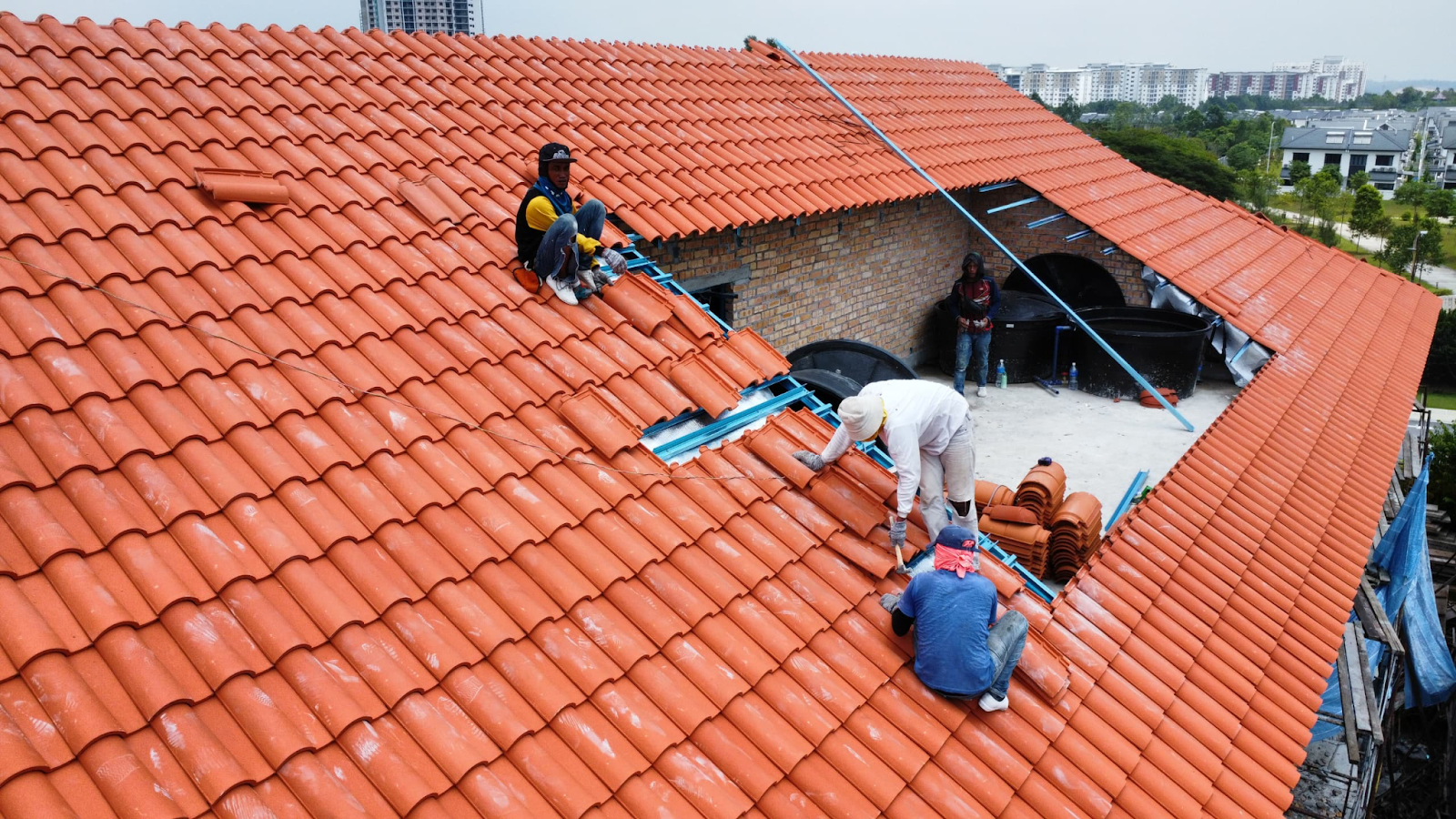
Mistake 3: Poor Roof Tile Installation

Even the best roof tiles can fail if installation is not done properly.

Common installation mistakes include:
 

  • Incorrect tile alignment
  • Weak fixing methods
  • Improper slope planning
  • Gaps between tiles

Proper installation is essential to avoid common roofing mistakes homeowners make during construction.

Mistake 4: Not Using Proper Roof Slope

Roof slope plays a critical role in rainwater drainage.

A wrong slope can cause:
 

  • Water stagnation
  • Increased leakage risk
  • Damage to tiles over time

Roof tiles should always be selected based on roof design and slope requirements.

Mistake 5: Skipping Underlayment and Waterproofing

Many homeowners skip underlayment to reduce cost.

This is a serious mistake because underlayment:

  • Acts as an extra water barrier
  • Protects the roof structure
  • Improves roof lifespan

Skipping this step increases the risk of long-term damage.

Mistake 6: Mixing Different Roofing Materials

Using different tile types or brands on the same roof often leads to:
 

  • Uneven fitting
  • Colour mismatch
  • Inconsistent performance

Using tiles from one trusted brand ensures better compatibility and performance.

Mistake 7: Neglecting Roof Maintenance

Roofing does not end after installation.

Lack of maintenance leads to:
 

  • Blocked water flow
  • Moss buildup
  • Undetected cracks

Regular inspection helps avoid major repairs later.

How to Avoid Common Roofing Mistakes

To avoid common roofing mistakes homeowners make, follow these simple steps:

  • Choose tiles suitable for your climate
  • Focus on quality, not just cost
  • Use experienced installers
  • Ensure correct slope and drainage
  • Do periodic roof inspections

These steps greatly improve roof performance and durability.

Why Choosing a Trusted Roofing Brand Matters

A reliable roofing brand ensures consistent product quality, tiles tested for Indian climate, technical guidance, and long-term performance.

Tapco offers roofing solutions designed to reduce common roofing issues.

Build a Roof That Lasts for Years

Roofing mistakes are avoidable with proper planning and the right decisions. Understanding common roofing mistakes homeowners make helps you build a roof that stays strong, safe, and leak-free for many years.

Contact Tapco for Expert Roofing Support

If you are planning roofing for your house and want expert guidance, Tapco provides reliable roofing solutions suitable for Indian conditions.Visit https://tapcotiles.com/
Ceramic Roof Tiles vs Clay Roof Tiles – Which Is Better?

Choosing the right roof tiles is a major decision when building a house. Many homeowners get confused between ceramic roof tiles and clay roof tiles. Both are popular choices in India, especially in Kerala and other tropical regions, but they serve slightly different purposes.

This guide explains the key differences so you can decide which option suits your home, climate, and budget.

Why Comparing Roof Tile Types Is Important

Roof tiles are a long-term investment. Once installed, they remain for decades. Choosing the wrong type can lead to leakage, cracks, high heat inside the house, and frequent maintenance.

Understanding the difference between ceramic roof tiles vs clay roof tiles helps you make a smart and practical decision.

What Are Ceramic Roof Tiles?

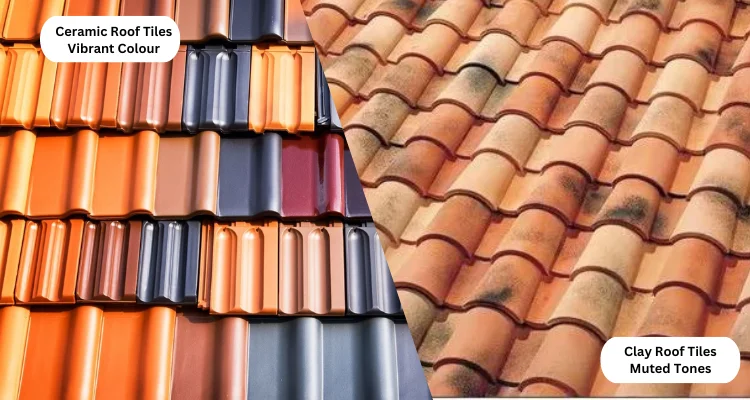
Ceramic roof tiles are manufactured using refined clay and fired at very high temperatures. This process makes them dense, strong, and consistent in quality.

Key features of ceramic roof tiles:

  • Low water absorption
  • Smooth and uniform finish
  • Strong interlocking system
  • Long lifespan
  • Suitable for heavy rainfall areas

Ceramic roof tiles are widely used in modern homes due to their durability and clean appearance.

What Are Clay Roof Tiles?

Clay roof tiles are made from natural clay and fired at comparatively lower temperatures. They are known for their traditional look and earthy appeal.

Key features of clay roof tiles:

  • Natural appearance
  • Good ventilation properties
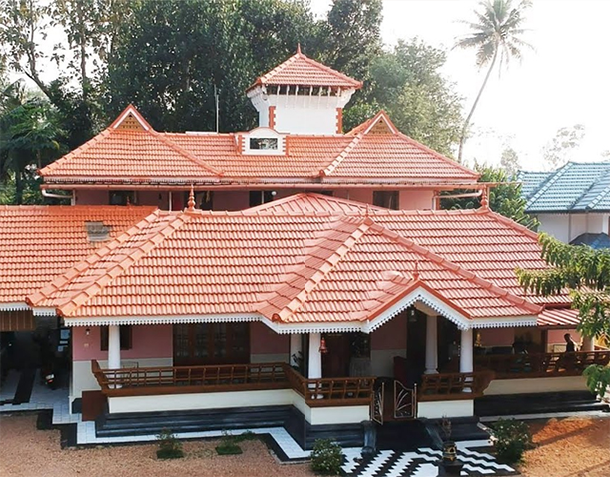
  • Traditional Kerala-style roofing
  • Moderate water absorption
  • Requires periodic maintenance

Clay roof tiles are commonly seen in traditional houses and heritage-style buildings.

Ceramic Roof Tiles vs Clay Roof Tiles – Key Differences

Here is a simple comparison to help you understand ceramic roof tiles vs clay roof tiles clearly.

Material strength
Ceramic roof tiles are stronger and more consistent in quality. Clay roof tiles are durable but can vary depending on clay quality.

Water resistance
Ceramic roof tiles have very low water absorption, making them ideal for heavy rain areas. Clay roof tiles absorb more water, which may lead to moss growth over time.

Maintenance
Ceramic roof tiles require minimal maintenance. Clay roof tiles may need regular cleaning and occasional replacement.

Appearance
Ceramic roof tiles offer a modern and uniform look. Clay roof tiles give a traditional and rustic appearance.

Lifespan
Ceramic roof tiles generally last longer due to high-temperature firing. Clay roof tiles also last long but may require more care.

Which Roof Tile Is Better for Rainy Climate?

In high rainfall regions like Kerala, water resistance and durability are very important.

When comparing ceramic roof tiles vs clay roof tiles for rainy climates:

  • Ceramic roof tiles perform better against leakage
  • They resist moss and algae growth
  • They maintain strength even after years of rain exposure

That is why ceramic roof tiles are often preferred for modern homes in rainy regions.

Which Roof Tile Is Better for Traditional Homes?

For homeowners who prefer a classic or heritage look:

  • Clay roof tiles suit traditional architecture
  • They blend well with Kerala-style homes
  • They provide natural ventilation

The choice depends on design preference and maintenance readiness.

Cost Comparison – Ceramic vs Clay Roof Tiles

Clay roof tiles are usually cheaper initially. Ceramic roof tiles may cost slightly more but offer better long-term value due to lower maintenance and longer lifespan.

When comparing ceramic roof tiles vs clay roof tiles, always consider lifetime cost, not just purchase price.

Common Mistakes When Choosing Roof Tiles

Choosing only based on price
Ignoring water absorption rate
Not checking interlocking quality
Mixing roof tile types
Poor installation planning

Avoiding these mistakes ensures better roof performance.

Why Choose a Trusted Roofing Brand

No matter which tile type you choose, quality matters. A trusted brand ensures consistent manufacturing, proper testing, and reliable support.

Tapco offer roofing solutions designed for Indian climate conditions, especially heavy rainfall areas.

Final Verdict – Ceramic Roof Tiles vs Clay Roof Tiles

There is no single answer for everyone.

Choose ceramic roof tiles if:

  • You want low maintenance
  • You live in a heavy rainfall area
  • You prefer a modern look

Choose clay roof tiles if:

  • You prefer traditional design
  • You are ready for periodic maintenance
  • You want a natural aesthetic

Understanding ceramic roof tiles vs clay roof tiles helps you choose confidently.

Contact Tapco for Expert Roofing Guidance

If you need expert help in selecting the right roof tiles for your home, Tapco offers reliable roofing solutions suitable for Indian weather conditions.Visit https://tapcotiles.com/
How to Choose Roof Tiles for a House in a Rainy Climate

Choosing the right roof tiles is very important when building a house in a rainy climate. In places like Kerala and other high-rainfall regions in India, roofing must handle heavy rain, moisture, humidity, and strong winds. A wrong roofing choice can lead to leakage, dampness, and frequent repairs.

This guide explains how to choose roof tiles for a house in a rainy climate, focusing on durability, water resistance, and long-term performance.

Why Roofing Choice Matters in Rainy Areas

In a rainy climate, the roof is constantly exposed to water. Poor-quality roofing can cause:

Water leakage
Mould and dampness inside the house
Heat and moisture retention
Structural damage over time
High maintenance costs

Choosing the right roof tiles helps protect the house, improves comfort, and reduces long-term expenses.

Key Factors to Consider When Choosing Roof Tiles for Rainy Climate

Not all roof tiles are suitable for heavy rainfall. These are the most important factors to check before selecting roof tiles.

Water Resistance and Absorption

Roof tiles in rainy areas should have low water absorption. Tiles that absorb too much water can crack, grow moss, and weaken over time.

High-quality ceramic and clay roof tiles are designed to resist water penetration and perform well in wet conditions.

Strong Interlocking Design

Interlocking is one of the most critical features for roofing in rainy climates.

Good interlocking roof tiles:
Prevent rainwater from entering gaps
Stay firm during strong winds
Reduce chances of tile displacement

Always choose roof tiles with a proven interlocking system.

Slope and Roof Design Compatibility

Rainwater should flow quickly from the roof surface. Roof tiles must match the correct roof slope.

A proper slope:
Prevents water stagnation
Reduces leakage risk
Improves roof life

Consult professionals to ensure tile selection matches roof design.

Material Quality and Durability

In high-rainfall areas, roofing materials must withstand moisture for many years.

Good roof tiles should:
Resist cracking
Maintain shape and strength
Withstand temperature changes

Ceramic roof tiles are widely preferred in rainy regions due to their durability and consistent performance.

Resistance to Moss and Algae Growth

Constant moisture encourages moss and algae growth on roofs.

Quality roof tiles:
Have smooth surfaces
Reduce moss accumulation
Are easier to clean and maintain

This keeps the roof looking clean and extends its lifespan.

Thermal Comfort in Humid Climate

Rainy regions are often humid and warm. Roof tiles should help reduce heat inside the house.

Light-coloured roof tiles reflect heat better and help maintain indoor comfort even during humid weather.

Roof Tile Installation Quality

Even the best roof tiles can fail if installation is poor.

Proper installation ensures:
Correct alignment
Secure fixing
Effective water drainage

Always choose experienced roofing professionals for tile installation.

Common Roofing Mistakes in Rainy Climate

Many homeowners make these mistakes:

Choosing tiles only based on appearance
Ignoring water absorption rate
Using low-quality underlayment
Improper roof slope planning
Poor installation practices

Avoiding these mistakes saves money and prevents future problems.

Why Choose a Trusted Roofing Brand

In rainy climates, roofing is not an area to compromise. A trusted brand ensures:

Consistent quality
Tiles tested for Indian climate
Better technical support
Long-lasting performance

Brands like Tapco are known for roofing solutions designed for high-rainfall conditions.

Roof Tile Selection Tips for Rainy Regions

Always prioritise quality over price
Choose tiles suitable for heavy rainfall
Ensure proper roof slope and drainage
Use experienced installers
Maintain the roof periodically

These steps ensure your roof remains strong and leak-free for years.

Build a Strong Roof for Rainy Climate

A house in a rainy climate needs a roof that can handle continuous exposure to water. Choosing the right roof tiles improves safety, comfort, and durability.

Instead of frequent repairs, invest in roof tiles that are built for rainy conditions and supported by a reliable brand.

Contact Tapco for Complete Roofing Solutions

If you are planning a house in a rainy climate and looking for durable, weather-resistant roof tiles, Tapco offers trusted roofing solutions designed for Indian conditions.Visit www.tapcotiles.com

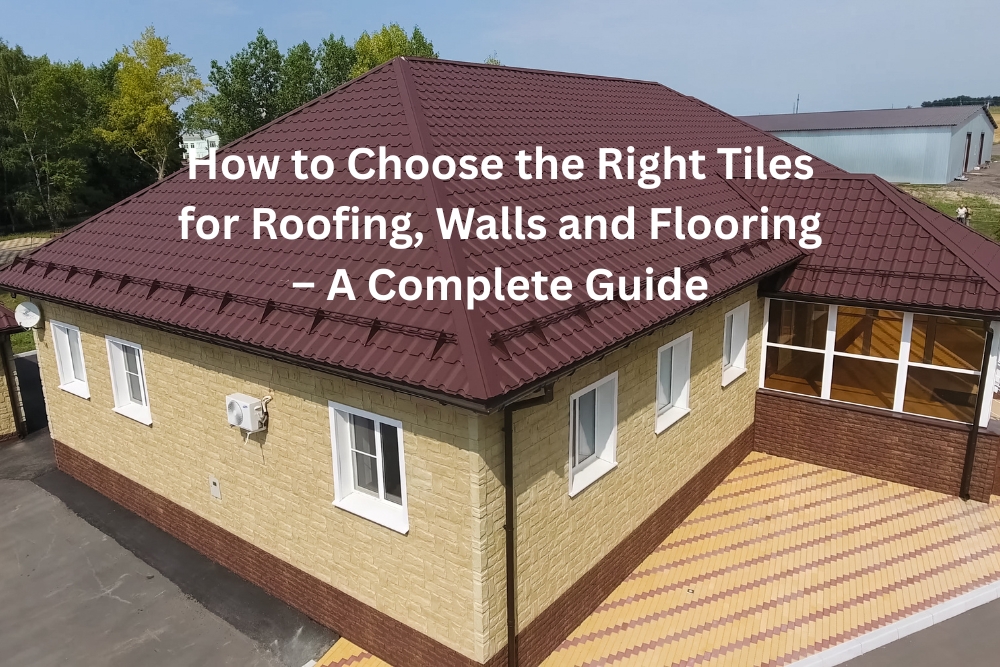
How to Choose the Right Tiles for Roofing, Walls and Flooring – A Complete Guide

Choosing the right tiles is one of the most important decisions when building or renovating a home or commercial space. Tiles affect strength, safety, appearance, and long-term maintenance. Many people choose tiles only based on looks, which often leads to problems later.

This complete guide explains how to choose the right tiles for roofing, walls, and flooring, especially for places like Thrissur, Kerala, and other parts of India.

Why Tile Selection Is Important

Tiles are not only decorative materials. The wrong tile choice can cause water leakage, cracks, heat issues, high maintenance cost, and short life span.
The right tiles give durability, climate resistance, better appearance, and peace of mind.

That is why tiles should be selected based on usage and climate, not only design.

How to Choose the Right Roof Tiles

Roof tiles protect the building from rain, sunlight, wind, and heat. In Kerala, where rainfall is heavy, roof tile quality is very important.

Important points to consider:

Climate resistance
Choose roof tiles that can handle heavy rain, humidity, and strong sunlight.

Strength and durability
Roof tiles should be strong, long-lasting, and resistant to cracks.

Interlocking design
Good interlocking prevents water leakage and tile movement during wind.

Colour and finish
Light and natural colours help reduce heat absorption.

Roof tiles are suitable for houses, villas, apartments, and commercial buildings. Premium ceramic roof tiles from trusted brands are designed for Indian climate conditions.

How to Choose the Right Wall Tiles

Wall tiles play a big role in interior appearance and cleanliness. They are used in living rooms, kitchens, bathrooms, and commercial spaces.

Points to consider:

Area of use
Bathrooms need water-resistant tiles.
Kitchens need easy-to-clean tiles.
Living rooms need decorative wall tiles.

Tile size and pattern
Large tiles give a modern look.
Small patterns work well in compact spaces.

Finish type
Glossy finish gives a bright and premium look.
Matte finish gives a subtle and elegant look.

Maintenance
Choose wall tiles that do not stain easily and are simple to clean.

Vietnam wall tiles and premium wall tiles are good options for modern interiors.

How to Choose the Right Floor Tiles

Floor tiles face daily usage, so they must be strong and safe.

Things to check:

Strength and load capacity
Floor tiles should handle daily movement without cracking.

Slip resistance
Very important for bathrooms, kitchens, and outdoor areas.

Scratch resistance
Good quality floor tiles keep their look for many years.

Design and colour
Neutral colours match most interiors and age well.

Vietnam floor tiles and high-strength ceramic floor tiles offer durability with style.

Decorative Jaalis – Style with Function

Jaalis are widely used in modern architecture.

Benefits of jaalis:

 Improves air circulation
Allows natural light
Adds design value
Provides privacy

Jaalis are commonly used in exteriors, staircases, balconies, and building facades.

Common Tile Selection Mistakes to Avoid

Choosing tiles only for design
Using floor tiles on walls or roofs
Ignoring climate conditions
Buying tiles from multiple unknown brands
Not thinking about maintenance

Avoiding these mistakes helps reduce future repair costs.

Why Choosing One Trusted Brand Matters

Buying tiles from different brands can cause quality differences and design mismatch. Choosing one trusted brand ensures consistent quality, matching designs, and better support.

Tapco offers a complete tiles solution, making tile selection easy and reliable.

Tile Selection Tips for Thrissur, Kerala and India

For Thrissur and Kerala:
Always choose tiles suitable for heavy rain and humidity.

For other parts of India:
Choose tiles that can handle different climate conditions and long-term usage.

Choose Tiles Smartly, Build with Confidence

Tile selection is a long-term decision. Roofing, wall, and floor tiles should work together to create a strong and attractive building.

Always focus on quality, durability, and trusted brands instead of choosing tiles only based on price.

Contact Tapco for Complete Tiles Solution

If you are planning construction or renovation and need roof tiles, wall tiles, floor tiles, or decorative jaalis, Tapco is the right choice.
Visit www.tapcotiles.com

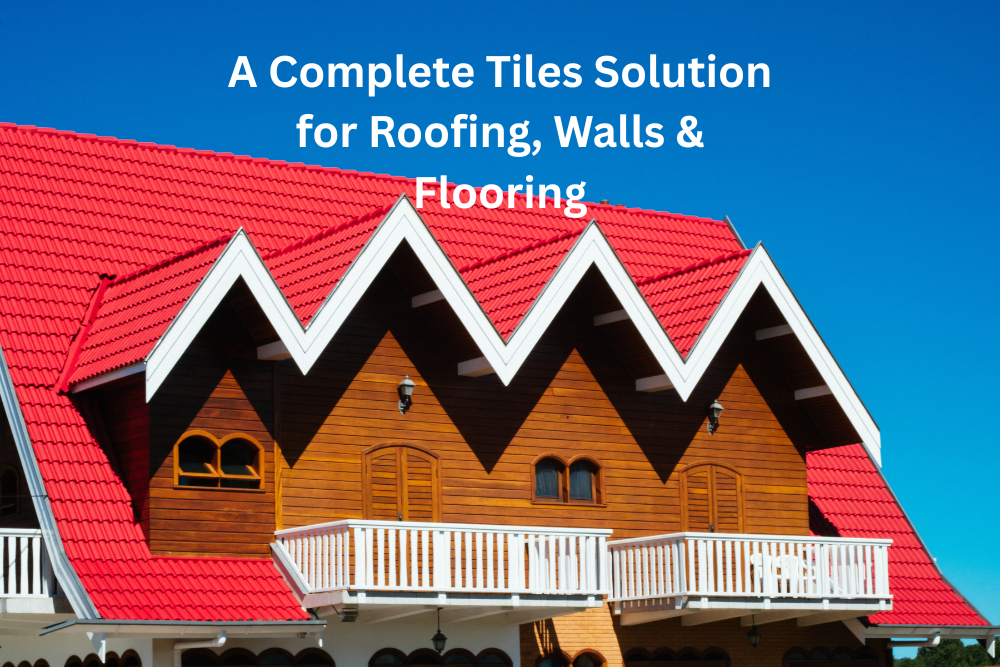
Tapco – A Complete Tiles Solution for Roofing, Walls & Flooring

When people think about Tapco, many immediately associate the brand with high-quality roof tiles. While Tapco is widely known as India’s No.1 roofing tiles brand, what many don’t realise is that Tapco offers much more than just roof tiles.

Today, Tapco has grown into a complete tiles solution provider, offering a wide range of products for roofing, walls, flooring, and architectural design needs — all under one trusted brand.

If you are planning a home, commercial building, or renovation project in Thrissur, Kerala, or anywhere in India, Tapco gives you everything you need in tiles from one place.

More Than Roof Tiles – One Brand, Complete Tile Solutions

Construction today is not just about strength; it is also about design, durability, and long-term value. That is why builders, architects, and homeowners prefer brands that can offer multiple tile solutions with consistent quality.

Tapco meets this requirement by offering:

This makes Tapco a one-stop destination for tile requirements.

Premium Roof Tiles – Built for Indian & Kerala Climate

Tapco roof tiles are designed to handle heavy rain, strong sunlight, and long-term exposure to harsh weather conditions. Especially in regions like Thrissur and across Kerala, roofing needs to be reliable and durable.

Why Tapco Roof Tiles Stand Out:

  • Long-lasting ceramic quality
  • Weather-resistant and heat-resistant
  • Strong interlocking design
  • Available in multiple colours and styles
  • Trusted by builders and large projects

Tapco roof tiles are suitable for homes, villas, apartments, and commercial buildings.

Decorative Jaalis – Style with Ventilation

Jaalis are no longer just traditional elements. They are now an important part of modern architecture.

Tapco offers decorative jaalis that provide:

  • Natural ventilation
  • Light flow
  • Privacy with design appeal

These jaalis are ideal for:

  • Home exteriors
  • Staircase areas
  • Balconies
  • Commercial facades

They add beauty while serving a functional purpose.

Vietnam Wall Tiles – Modern Designs, Premium Finish

Vietnam wall tiles are known globally for their superior finish and elegant designs. Tapco brings premium Vietnam wall tiles that suit both residential and commercial interiors.

Best Used For:

  • Living rooms
  • Bedrooms
  • Bathrooms
  • Office interiors
  • Retail spaces

These tiles offer:

  • Smooth surface finish
  • Modern patterns and textures
  • Easy maintenance
  • Long-lasting colour quality

Vietnam Floor Tiles – Strength Meets Style

Flooring plays a major role in the look and feel of any space. Tapco’s Vietnam floor tiles are designed to deliver both durability and aesthetics.

Key Benefits:

  • High strength and load resistance
  • Scratch-resistant surface
  • Suitable for homes and commercial spaces
  • Elegant designs for modern interiors

From homes to showrooms and offices, these floor tiles give a premium look with practical performance.

Premium Wall Tiles – Perfect for Elegant Interiors

Tapco’s premium wall tiles are ideal for customers who want a refined and modern finish for their spaces.

They are widely used in:

  • Bathrooms
  • Kitchens
  • Feature walls
  • Commercial interiors

With multiple design options, Tapco wall tiles help create interiors that are clean, stylish, and long-lasting.

Why Choose Tapco as Your Complete Tiles Partner?

Choosing tiles from different brands often leads to quality mismatch and design inconsistency. Tapco solves this problem by offering a complete tile range from one trusted brand.

Key Reasons to Choose Tapco:

  • India’s No.1 roofing tiles brand
  • Complete tiles solution under one roof
  • Premium quality products
  • Suitable for Indian and Kerala climate
  • Trusted by builders, architects, and homeowners
  • Strong dealer network across Thrissur, Kerala, and India

With Tapco, you don’t just buy tiles — you invest in quality, reliability, and long-term value.

One Brand. One Standard. Total Peace of Mind.

Whether you are constructing a new building or renovating an existing one, Tapco ensures that roofing, wall tiles, floor tiles, and decorative elements meet the same high-quality standards.

Instead of searching for multiple tile suppliers, Tapco gives you:

  • Consistent quality
  • Better design harmony
  • Trusted after-sales support

Visit Tapco for a Complete Tiles Solution

If you are looking for roof tiles, wall tiles, floor tiles, or decorative jaalis, Tapco is your trusted destination.Contact Tapco for a complete tiles solution
Visit: www.tapcotiles.com

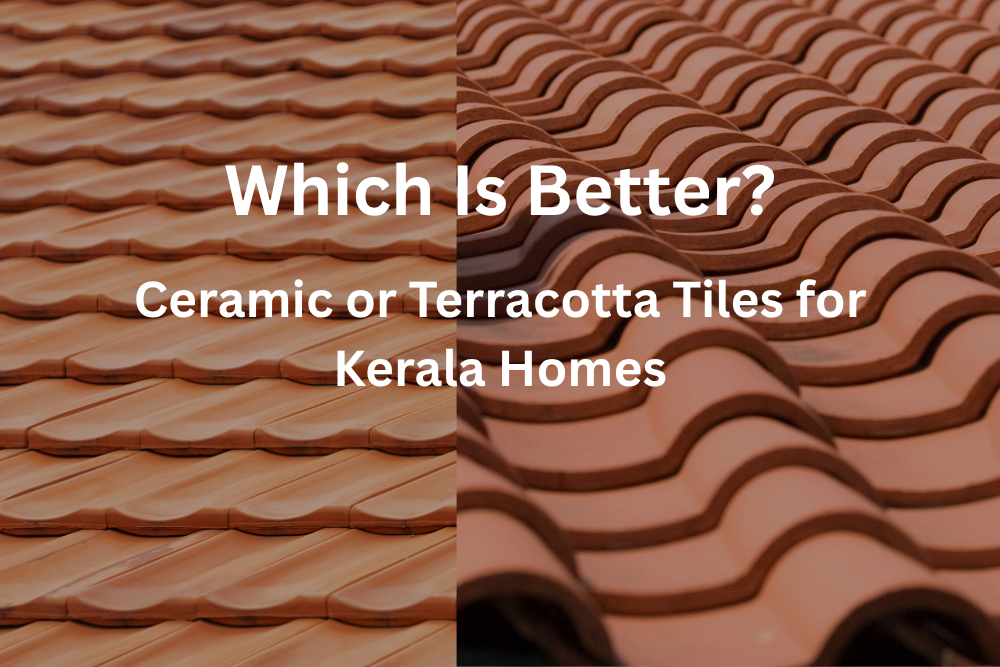
Which Is Better – Ceramic or Terracotta Tiles for Kerala Homes?

Kerala has a humid, tropical climate with heavy rains and high heat, so choosing the right roofing or flooring tile is very important. Homeowners in Kerala usually look for tiles that control heat, are durable, low maintenance and suitable for traditional as well as modern home styles. The two most popular choices today are ceramic tiles and terracotta tiles. In this blog, we will explain both tiles in detail and help you decide which is better for Kerala homes.

Kerala houses often follow both modern architecture and traditional Kerala style. So the choice depends on whether the homeowner prefers a premium modern finish or natural heritage look. This comparison will cover performance, heat control, maintenance, aesthetics and cost so that you can choose confidently.

Understanding Ceramic Tiles

Ceramic tiles are factory-made tiles produced with advanced finishing technology. They are widely used for roofing, flooring, and wall cladding.

Key Features of Ceramic Tiles:

  • Manufactured with precision and uniform finish
  • Available in modern colours and textures
  • Heat and scratch resistant
  • Low maintenance and easy to clean

Understanding Terracotta Tiles

Terracotta tiles are made from natural clay and are inspired by traditional Kerala heritage architecture.

Key Features of Terracotta Tiles:

  • 100% natural clay material
  • Excellent heat insulation
  • Natural earthy colour and rustic appearance
  • Eco-friendly and breathable material

Comparison – Ceramic vs Terracotta Tiles for Kerala Climate

FeatureCeramic TilesTerracotta Tiles
Heat ResistanceHighExcellent
Water AbsorptionLowModerate
Traditional LookModerateVery High
Modern DesignsVery HighLimited
MaintenanceVery LowModerate
CostMediumMedium to High

Which Is Better for Kerala Homes?

  • If you prefer modern, low-maintenance and long-lasting roofing or flooring, ceramic tiles are a great choice.
  • If you want traditional Kerala style aesthetics, natural comfort and eco-friendly material, terracotta tiles are ideal.

Conclusion

Both ceramic and terracotta tiles are excellent choices for Kerala homes, depending on the homeowner’s preference. Ceramic tiles are perfect for modern architecture, while terracotta tiles reflect traditional Kerala charm with natural cooling benefits.Contact Tapco Roof Tiles today to explore Ceramic Roof Tiles in Thrissur, Ceramic Roof Tiles in Kerala, Natural Clay Roof Tiles, Roofing Sheet Manufacturers in Kerala, and Ceiling Panels in Kerala — your trusted one-stop solution for roofing and interior excellence.

Best Waterproof Ceiling Panels for Kerala Homes (No Moisture / No Fungus)

Tapco Roof Tiles is a trusted roofing and interior solutions brand in Kerala, known for high-quality and durable building materials. Kerala homes often face moisture, humidity and fungus issues due to the tropical climate and heavy rainfall. Ceiling damage is common in kitchens, bathrooms and balconies when traditional materials absorb moisture. In this blog, we will discuss why waterproof ceiling panels from Tapco are the best choice for Kerala houses and how they help protect interiors while adding beauty.

Why Waterproof Ceiling Panels Are Important in Kerala

  • High humidity and heavy monsoon rains
  • Common moisture and fungus problems
  • Traditional gypsum ceilings get damaged
  • Need long‑lasting, low‑maintenance solution

Advantages of Waterproof Ceiling Panels

  • 100% waterproof and moisture‑resistant
  • Anti‑fungus and anti‑bacterial surface
  • Easy to clean and maintain
  • Suitable for kitchen, bathroom and balcony
  • Modern designs and premium finish

Best Ceiling Panel Material – GI Ceiling Panels from Tapco

Tapco exclusively offers GI (Galvanized Iron) ceiling panels, which are highly durable and designed for Kerala’s humid weather conditions. These panels are rust-resistant, heat-reflective and completely waterproof.

Benefits of Tapco GI Ceiling Panels

  • Superior strength compared to PVC or gypsum
  • Rust-proof and fungus-proof metal protection
  • No sagging, cracking or discoloration
  • Long-term performance even in coastal regions

Where to Use Waterproof GI Ceiling Panels Waterproof Ceiling Panels

  • Modular kitchen ceiling
  • Bathroom false ceiling
  • Balcony or utility area
  • Living room or bedroom ceiling

Why Kerala Homeowners Prefer Waterproof Panels

  • No fungus or peeling issues
  • Long life and heat resistant
  • No repainting or maintenance cost

Frequently Asked Questions (FAQ)

1. Are Tapco waterproof ceiling panels suitable for Kerala monsoon?
Yes, Tapco waterproof ceiling panels are designed to resist heavy moisture and humidity, making them perfect for Kerala’s monsoon climate.

2. Can I use Tapco ceiling panels in my kitchen and bathroom?
Absolutely. These panels are 100% waterproof, fungus-resistant and safe for kitchens, bathrooms and utility areas.

3. Do waterproof ceiling panels reduce maintenance costs?
Yes. Unlike traditional gypsum or POP ceilings, Tapco ceiling panels do not require repainting, polishing or anti-fungal treatment.

4. Are the designs modern and suitable for interior decoration?
Yes, Tapco offers premium and modern ceiling panel designs perfect for kitchen, living room and luxury interiors.

Conclusion

Tapco GI waterproof ceiling panels are the most reliable solution for Kerala homes, especially in moisture‑prone areas like kitchens, bathrooms and balconies. These panels offer long‑lasting protection, modern design appeal and zero maintenance hassles — making them a smart investment for homeowners and builders across Kerala.

If you are looking for premium quality, maintenance‑free ceiling solutions, Tapco offers the best GI waterproof ceiling panels in Kerala with attractive designs and superior durability.Contact Tapco Roof Tiles today to explore available designs, pricing and installation support. Tapco is Kerala’s trusted brand for GI ceiling panels, clay roof tiles, terracotta wall tiles, and stone coated roof tiles, making it the one-stop solution for all premium roofing and ceiling requirements.

Five Best Materials for Roofing Sheet for Home in India

In constructing or reconstructing a house, perhaps one of the most important choices homeowners must make is choosing the appropriate roofing sheet for home. The correct roofing material adds aesthetics to your home and guards it from the elements, insulates it, and gives it a greater lifespan. Tapco has several years of experience in roofing solutions, providing quality ceramic and clay roof tiles as strong and attractive roofing solutions.

The following are five long-standing materials that are widely used as roofing sheets in India, with each of these presenting distinct advantages for houses of various climates and types.

1. Clay Roof Tiles

Clay tiles are a traditional and eco-friendly roofing product with an extended life expectancy and an elegant appearance. Our best-quality white clay tiles are made from natural products and imported from Vietnam. Clay tiles are as tough as nails; they also offer great thermal insulation and anti-fungal properties, which make them the best choice for roofing projects that need to last.

2. Ceramic Roofing Tiles

Ceramic roof tiles are increasingly becoming popular throughout India because they have a clean finish and are resistant to the weather. Our ceramic tiles come in a wide variety of colors and patterns, are quite durable, and are lightweight. Our tiles are resistant to fading, cracking, and moisture absorption, which makes them among the best roof sheets in India for those who require a combination of durability and fashion for their homes.

3. Metal Roofing Sheets

In areas with a lot of rain or snow, metal roofs like those made of aluminium and galvanized steel are typical. They are insect- and fire-resistant and have a reputation for being long-lasting. They do not, however, have the thermal insulation value or the beauty of ceramic and clay tiles. Nonetheless, metal roofing sheets, when coated properly and maintained, can last 50 years or more.

4. Asphalt Shingles

Due to their cost and relative longevity, asphalt shingles are a frequent element of modern city homes and villas. They are easy to mount, available in numerous styles, and suitable for sloped roofs. Though less durable compared to clay or ceramics, they are readily available and at affordable prices, making them an easily accessible material for a roof. If you are looking for roofing options, it is essential that you consult reliable roof sheet manufacturers in India who can advise you depending on your house’s location, design, and budget. We are one such company that promises quality and service.

5. Fiber Cement Sheets

Fiber cement roofing sheets are a blend of the cement’s strength with the pliability of fiber and are water-resistant, corrosion-free, and ideal for industrial as well as domestic roofing. They may not provide the classical or high-end look that natural clay or ceramic tiles can achieve. For residential homeowners who are concerned with long-term performance, these are the way to go.

Selecting the right roofing material is not only about durability; it’s about making an investment in the future of your house. Being a trusted roofing sheets company in India, Tapco has a variety of imported clay and ceramic tiles that are durable, robust, and eco-friendly. Our products are trusted by homeowners, builders, and architects, making us a brand associated with quality and reliability in roofing.