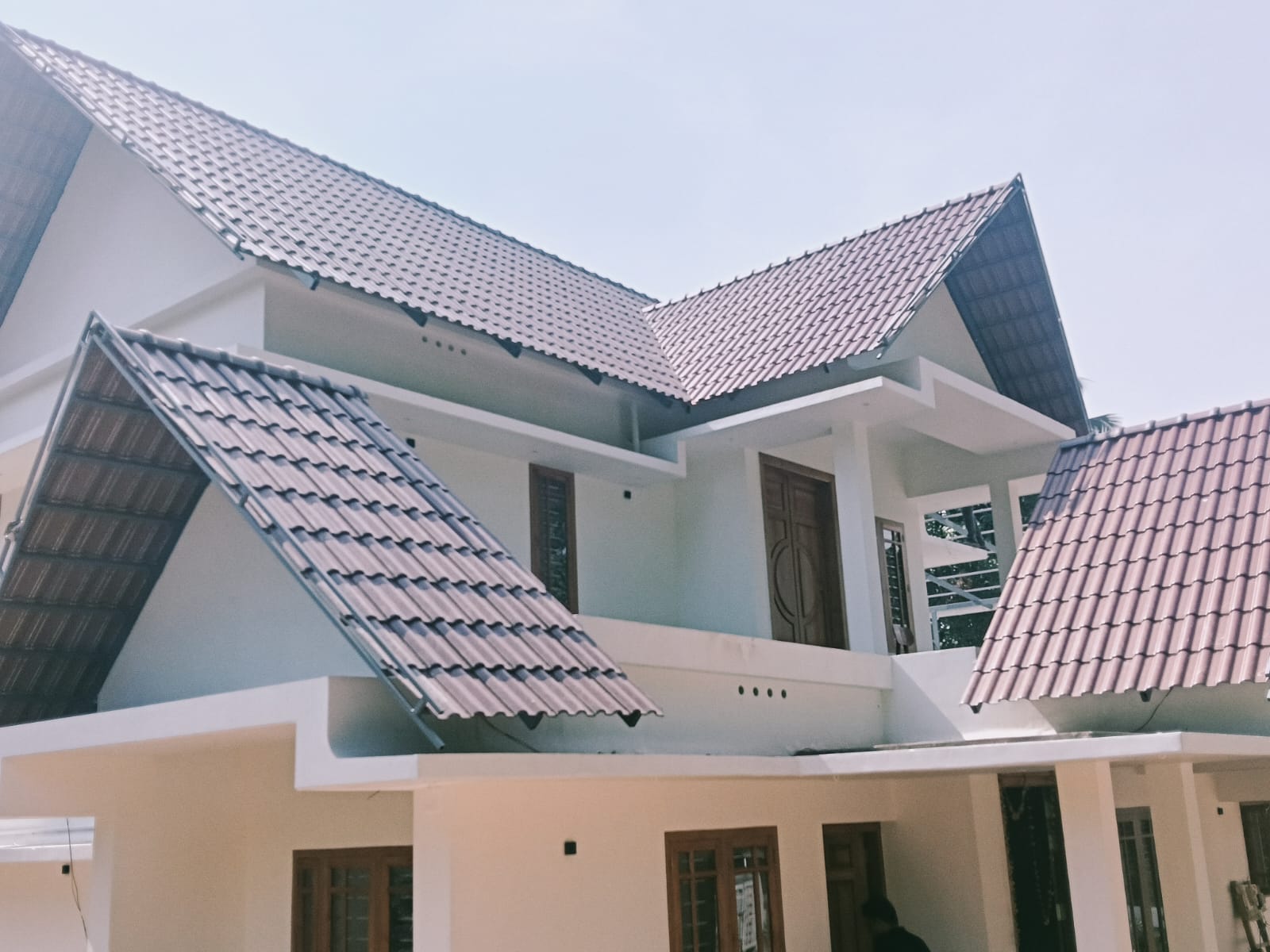
Choosing the right roofing material is an important part of building a home. The roof protects the building and also plays a major role in its overall appearance. Today, homeowners can choose from different roofing options, including ceramic roof tiles, concrete tiles, metal roofing sheets and shingles.
Each material has its own features, appearance and installation requirements. Some homeowners prefer the traditional look of roof tiles, while others look for modern roofing designs that suit contemporary houses.
Among these options, ceramic roof tiles are popular for their attractive appearance and variety of designs. They can complement both traditional and modern house styles, making them an option worth considering when planning a tiled roof.
But what makes ceramic roof tiles different from other roofing materials? Let’s look at their main features and understand how they compare with other roofing choices.
1. What Are Ceramic Roof Tiles?
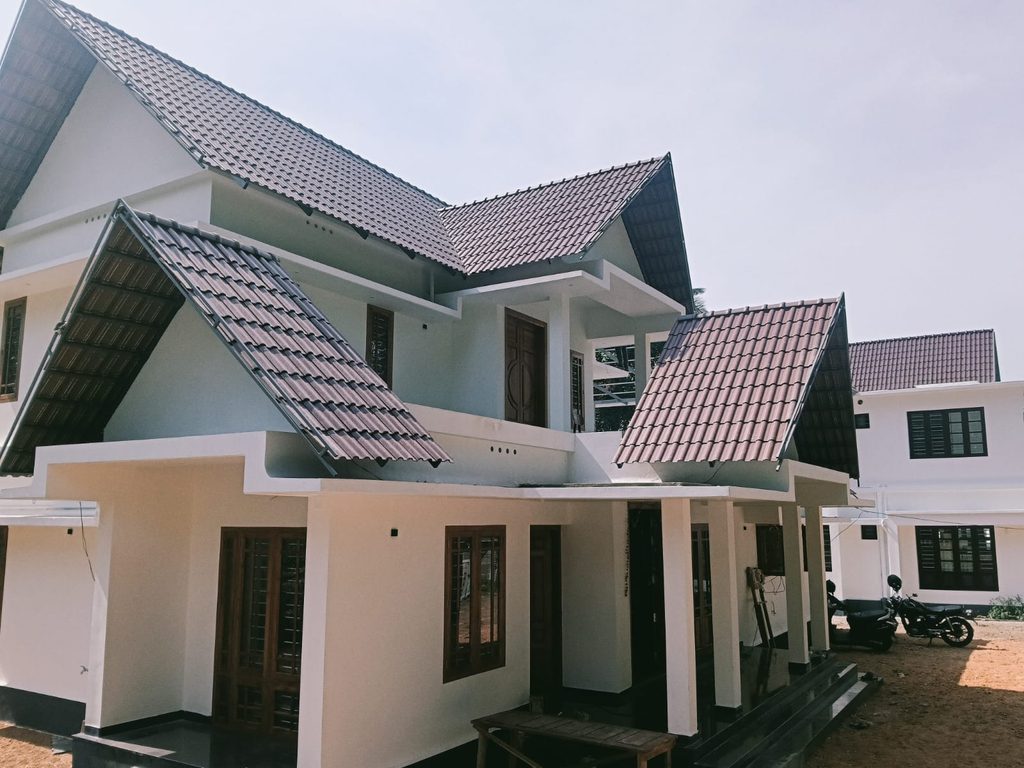
Ceramic Roof Tiles in Kerala are generally made from prepared clay-based materials and processed through firing. This manufacturing process gives the tiles their finished shape, colour and surface characteristics, making them a suitable option to consider for different traditional and modern house designs.
They are available in different profiles, shapes and finishes to suit various architectural styles. Depending on the design, ceramic roof tiles can be used for traditional sloping roofs as well as selected modern house designs.
One of the main reasons homeowners consider ceramic roof tiles is their appearance. They can give a house a neat, finished look while complementing different exterior paint colours and architectural details.
For homeowners planning a new house in Kerala, ceramic roofing tiles are one option to compare with other available roofing materials.
2. Ceramic Roof Tiles vs Concrete Roof Tiles
Ceramic and concrete roof tiles are both used in tiled roofing, but they are made using different materials and manufacturing processes.
Ceramic roof tiles are generally produced using clay-based materials that undergo firing. Concrete roof tiles are made using a cement-based mixture.
Here are some differences to consider:
Material: Ceramic roof tiles use processed clay-based materials, while concrete roof tiles are made using cement-based materials.
Manufacturing: Ceramic tiles are fired during production. Concrete tiles are formed from a concrete mixture and cured.
Appearance: Both materials are available in different profiles and colours. The final appearance depends on the product design and finish.
Selection: The choice depends on the house design, roof structure, product specifications, installation requirements and personal preference.
When comparing these two options, do not decide based only on colour or appearance. Check the product details and installation requirements before selecting a roofing material.
3. Ceramic Roof Tiles vs Metal Roofing Sheets
Metal roofing sheets are another common option for residential and commercial buildings. They are available in different profiles and finishes and are often considered for projects where a sheet-based roofing system is preferred.
Ceramic roof tiles offer a different appearance and installation approach.
Appearance: Ceramic roof tiles create a tiled roof pattern, while metal sheets generally provide a continuous sheet-based appearance.
Design options: Ceramic tiles are available in different tile profiles and finishes. Metal roofing sheets also come in different shapes, colours and surface finishes.
Installation: Ceramic tiles are installed as individual units over a suitable roof structure. Metal roofing sheets are fixed according to the requirements of the selected roofing system.
Roof planning: Both options require proper roof design and installation. The roof slope, supporting structure and fixing method should be checked before work begins.
The choice between ceramic roof tiles and metal roofing sheets depends on the building design and the type of roofing finish you prefer.
4. Ceramic Roof Tiles vs Stone Coated Roofing
Stone coated roofing is another roofing option available for homes and other buildings. It generally uses a metal roofing base with a stone-coated surface finish.
Ceramic roof tiles and stone coated roofing have different material compositions and visual appearances.
Ceramic roof tiles create a traditional tiled pattern, while stone coated roofing combines a metal base with a stone-granule surface.
Some important points to consider include:
- Material: Ceramic roof tiles and stone coated roofing use different base materials.
- Appearance: Ceramic tiles offer individual tile profiles, while stone coated products have their own sheet or panel designs.
- Installation: The fixing method and supporting structure depend on the selected product.
- Design preference: Compare the available colours, profiles and finishes with your house design before choosing.
If you are also considering sheet-based roofing, you can explore TAPCO’s stone coated roofing solutions to understand the available option.
5. Ceramic Roof Tiles vs Roofing Shingles
Roofing shingles are generally supplied as overlapping pieces or layers that are installed over a suitable roof base. They are available in different colours and styles and are commonly considered for selected sloping roof designs.
Ceramic roof tiles are installed as individual roofing units, creating a visible tile pattern.
The main differences include:
Roofing appearance: Ceramic roof tiles have a distinct tiled appearance. Shingles create an overlapping layered finish.
Material: Ceramic tiles and shingles are made using different materials, depending on the product type.
Installation: Both require a suitable roof base and correct installation methods. The requirements vary according to the roofing system.
Design: The final choice depends on the architectural style, preferred appearance and product specifications.
It is always better to compare the actual roofing samples and installation requirements rather than choosing only from photographs.
6. What Makes Ceramic Roof Tiles a Choice for Different House Designs?
One of the interesting features of ceramic roof tiles is the variety of profiles and designs available. This gives homeowners more options when planning the appearance of their roof.
Traditional Kerala houses
Traditional Kerala houses often feature sloping roofs and architectural details that create a familiar regional appearance. Ceramic roof tiles with suitable profiles can complement this style.
Modern villas
Modern villas may combine simple exterior walls, large windows and sloping roof sections. The right roof tile design and colour can help connect these elements.
Independent houses
For independent houses, the roof is an important part of the exterior design. Homeowners can compare different tile profiles and colours to find a suitable combination for their building.
Renovation projects
When renovating an existing house, the roof design should be considered along with the existing structure. Before selecting new tiles, check the condition and suitability of the supporting roof structure.
You can explore TAPCO roof tile designs and profiles to understand the available styles for different architectural preferences.
7. Important Things to Check Before Choosing Ceramic Roof Tiles
Even if you like the appearance of ceramic roof tiles, there are a few practical points to consider before making a final decision.
1. Roof slope: Check whether the selected tile is suitable for the roof slope and design of your house.
2. Supporting structure: The roof structure should be designed to carry the weight of the selected roofing material.
3. Tile profile: Different profiles create different visual patterns. Select one that complements your house design.
4. Colour and finish: Compare the tile colour with the exterior paint, windows and other finishing materials.
5. Installation method: Proper installation is important for the overall performance of a tiled roof. Follow the product-specific installation guidelines.
6. Product details: Check the manufacturer’s specifications, recommended applications and maintenance requirements before purchasing.
7. Professional advice: Discuss your roof design with an architect, engineer or experienced roofing professional before finalising the material.
These points will help you make a more informed decision and avoid selecting a roofing product based only on its appearance.
8. Are Ceramic Roof Tiles Suitable for Homes in Kerala?
Kerala has a tropical climate with seasonal monsoon rainfall, humidity and strong sunlight. Because of these conditions, choosing roofing materials requires proper planning.
Ceramic roof tiles can be considered for Kerala homes, but suitability depends on the selected product, roof design, slope, supporting structure and installation quality.
Before choosing ceramic roofing tiles, check whether the product is suitable for the intended application. Proper tile placement, roof detailing, drainage arrangements and installation practices are also important.
It is not enough to select a roofing material based only on its colour or design. The complete roofing system should be planned according to the building requirements and local conditions.
9. Why Should You Compare Different Roofing Materials Before Buying?
Every roofing material has its own advantages, limitations and installation requirements. A material that suits one building may not be the right choice for another.
Before making a decision, compare the following:
- The overall appearance of the roofing material.
- Available colours, profiles and finishes.
- Product specifications and recommended applications.
- Roof structure and slope requirements.
- Installation method and maintenance needs.
- Total project cost, including supporting work and installation.
Taking time to compare these details will help you select a roofing material that matches both your design preference and building requirements.
Conclusion
Ceramic roof tiles are different from other roofing materials in their composition, manufacturing process, appearance and installation method. Compared with concrete tiles, metal roofing sheets and shingles, they offer a distinct tiled finish that can complement different house designs.
However, there is no single roofing material that is best for every building. The right choice depends on your house design, roof structure, budget, local conditions and personal preference.
If you are planning a new home or renovating an existing one, compare the available roofing options before making a final decision.
Explore TAPCO’s ceramic roof tile collection to learn more about ceramic roofing options for your home.
Frequently Asked Questions
1. What is the main difference between ceramic roof tiles and concrete roof tiles?
Ceramic roof tiles are generally made from clay-based materials that are fired during production. Concrete roof tiles are made using cement-based materials. Their manufacturing processes, material composition and appearance are different.
2. Are ceramic roof tiles better than metal roofing sheets?
Both materials have different features and applications. Ceramic roof tiles provide an individual tiled appearance, while metal roofing sheets offer a sheet-based roofing system. The suitable option depends on the building design, product specifications and installation requirements.
3. Can ceramic roof tiles be used for modern houses?
Yes. Ceramic roof tiles are available in different profiles, colours and finishes. Homeowners can select designs that complement both traditional and modern architectural styles.
4. Are ceramic roof tiles suitable for Kerala’s climate?
They can be considered for Kerala homes, provided the selected product is suitable for the application and installed according to the manufacturer’s guidelines. Roof slope, drainage, supporting structure and installation quality should also be considered.
5. What should I check before buying ceramic roof tiles?
Check the tile profile, colour, finish, product specifications, recommended roof slope, supporting structure and installation requirements. It is also useful to discuss the selection with a roofing professional.
6. How are ceramic roof tiles different from roofing shingles?
Ceramic roof tiles are installed as individual units, creating a tiled roof pattern. Roofing shingles are generally installed in overlapping layers over a suitable roof base. Their materials, appearance and installation methods are different.